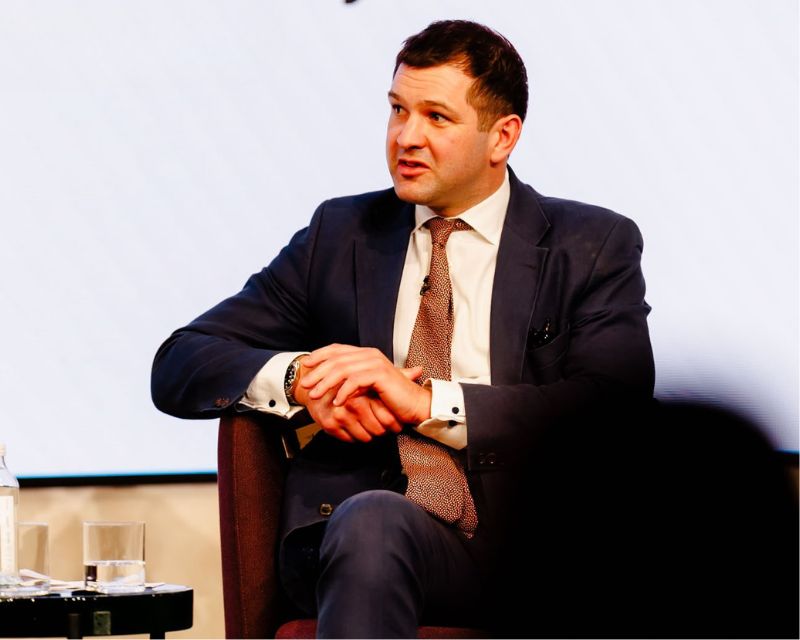
Citywealth Forum 2026 Speaker spotlight: Anna Tylor, Chair, RNIB
Anna Tylor, Chair, RNIB focused on the practical realities of philanthropy: charities still struggle to understand wealthy donors, relationships take years to build, and unrestricted funding is essential to improve impact. She also called for better measurement of outcomes, more collaboration across the sector, and greater recognition of philanthropy within government policy.
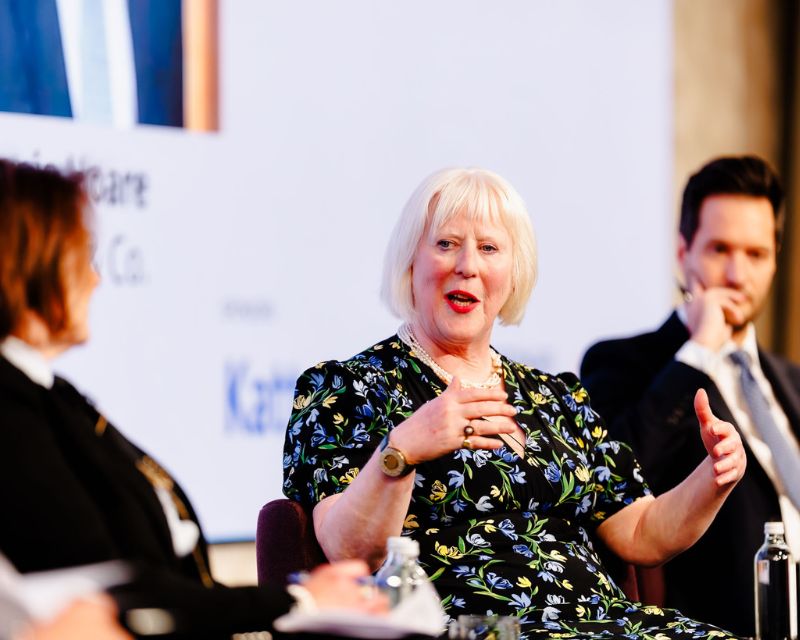
Anna Tylor addressed what she sees as a persistent weakness across the sector: even leading charities do not fully understand the mindset of high-net-worth and ultra-high-net-worth individuals.
She emphasised that charities and donors often share similar values, particularly entrepreneurial thinking and a focus on outcomes, but that connection is not always recognised or developed.
Building those relationships requires time. There is no shortcut. Meaningful engagement depends on trust built over years, not one-off approaches.
Why relationships matter
For Tylor, philanthropy works best when it is based on long-term partnerships rather than transactional giving.
The strongest results come when charities and donors develop a shared understanding and work together over time toward a common goal.
That trust allows charities to operate more effectively and ultimately deliver better outcomes for the people they support.
Measuring impact properly
A recurring theme in her contribution was the gap between activity and evidence.
Charities are often good at explaining what they do, but less consistent in demonstrating whether it has made a measurable difference to people’s lives or delivered wider change.
Addressing this requires investment, not just in programmes, but in systems, data and expertise. Without that infrastructure, it is difficult to assess long-term impact.
The case for unrestricted funding
Tylor was clear about the importance of flexible funding.
Unrestricted funding allows charities to invest in the underlying tools behind delivery, data, systems, skills and capability, which are essential if organisations are to improve performance and demonstrate results.
Without this type of funding, charities are often constrained and unable to develop properly.
Government and regulatory challenges
She also spoke openly about the wider environment in which charities operate.
While frameworks such as Gift Aid exist, they remain complex and underused, with clear scope for improvement.
More broadly, she argued that philanthropy is not sufficiently recognised within tax policy or wider economic decision-making, and that stronger engagement from policymakers is needed.
Regulation and due diligence, while necessary, can also be time-consuming and costly, slowing the flow of funding.
Collaboration across the sector
Drawing on experience from the sight loss sector, Tylor highlighted fragmentation across the charity landscape.
Many organisations operate in the same space, often duplicating work without the scale or resources to deliver effectively.
She called for greater collaboration, and in some cases consolidation, arguing that the sector needs to do more with the resources it has.
Philanthropy as a shared endeavour
Her overall message was pragmatic. Philanthropy is not simply about giving money; it is a joint effort between donors, charities and advisers.
When those relationships are aligned and properly supported, the potential for meaningful impact is significantly stronger.
Key Quotes
“Even in the top one percent of charities… we are remarkably poor at understanding high net wealth and ultra-high-net-worth givers.”
“You can’t go and just make an ask based on nothing… without having a relationship of trust.”
“The best outcomes are achieved by long, deep, trusting relationships.”
“We need to get much, much better at doing that work.”
“We’re very impact driven. We want to make real difference.”
“We need the funding for the business tools particularly analytics… the systems, the skills, the capability.”
“The role of philanthropy is not sufficiently championed… in the tax system or in social and economic policy.”
“The system is more focused on managing risk than enabling impact.”
“There are literally hundreds of organisations… we have to get much better at collaboration.”
Key Takeaways
- Anna Tylor stresses that charities must better understand wealthy donors to build long-term relationships.
- She highlights the importance of unrestricted funding for charities to improve operations and demonstrate impact.
- Tylor calls for improved measurement of charity outcomes, emphasizing the need for investment in data and systems.
- She advocates for greater collaboration across the charity sector to avoid duplication of efforts and enhance effectiveness.
- Tylor argues that philanthropy must be recognized more in government policy to strengthen its impact.
- The panel included the following speakers:
- 16:00 – 16:45 | Panel 7: The business of philanthropy
- Impact-driven, data-backed giving. The United States alone accounts for about 40-50% of global philanthropic giving, with around $450 billion+ annually. Total global philanthropic giving is roughly $700 billion to $1 trillion. We investigate the latest gold standard practices in the business of giving.
- Moderator:
- Matthew Briggs, Partner at Boyes Turner
- Speakers:
- Anna Josse, CEO and Co-Founder at Prism the Gift Fund
- Anna Tylor, Chairwoman of the RNIB
- Rennie Hoare, Head of Philanthropy at C. Hoare & Co.
Subscribe to the Citywealth Weekly Newsletter to learn more about Private Wealth Management.

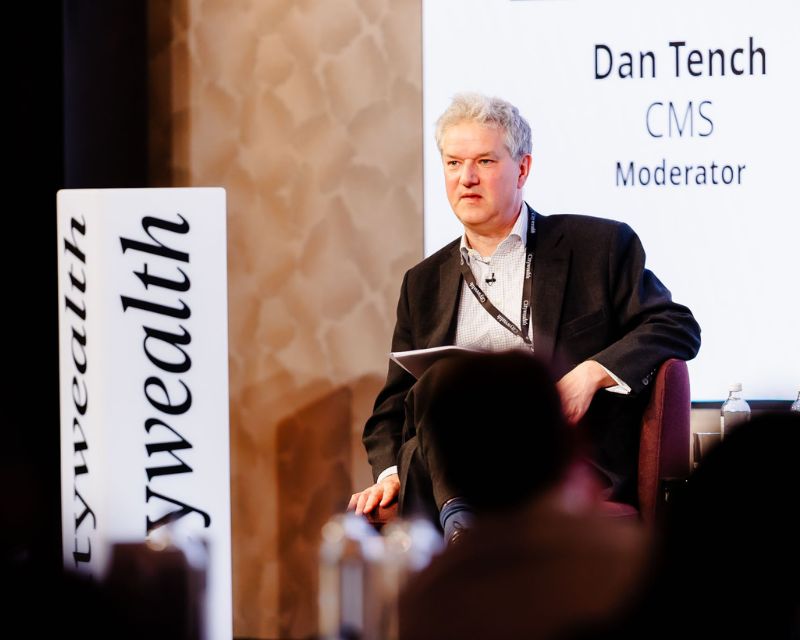
Citywealth Forum 2026 Speaker spotlight: Dan Tench, Partner at CMS
Dan Tench opened the panel by setting out why reputation has become significantly more complex for wealthy individuals. He highlighted three key pressures: technology, media change and shifting public attitudes, and framed the discussion around the growing impact of AI and the challenges of managing reputation both during life and after death.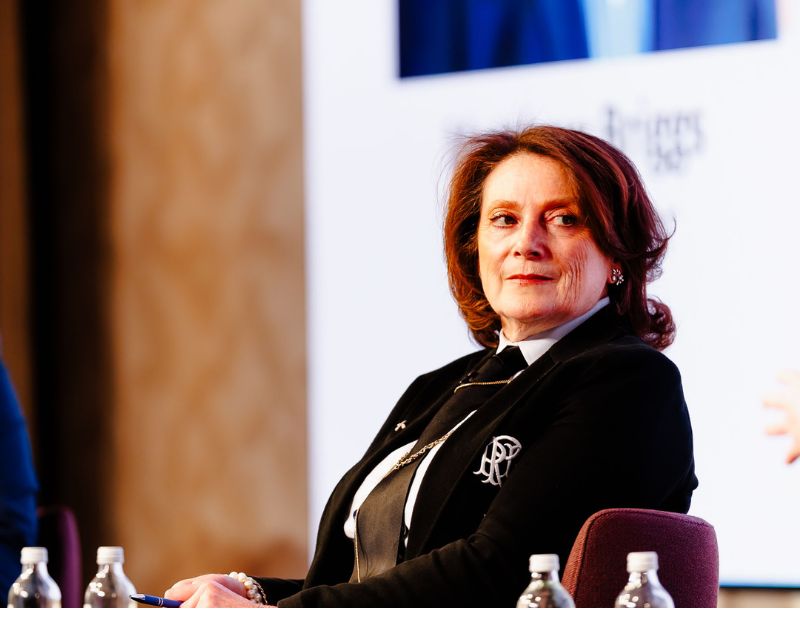
Citywealth Forum 2026 Speaker spotlight: Anna Josse, CEO and Co-founder of Prism the Gift Fund
Anna Josse focused on how philanthropy needs to evolve, with charities improving their ability to engage major donors and navigate tax structures. She highlighted the importance of unrestricted funding, long-term donor relationships, and the growing need for cross-border giving solutions as clients become more international.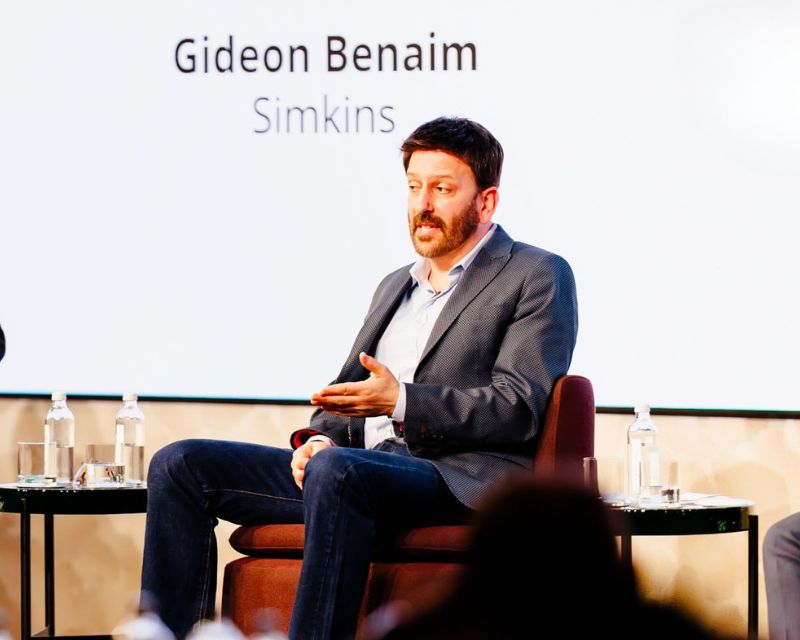
Citywealth Forum 2026 Speaker spotlight: Gideon Benaim, Partner and Head of the Reputation Protection Team at Simkins
Gideon Benaim focused on how AI is fundamentally changing reputation management. He described AI as a system that strips context from information while accelerating disinformation at scale. His key message was that passive reputation management no longer works, individuals must actively shape how they appear in digital systems.