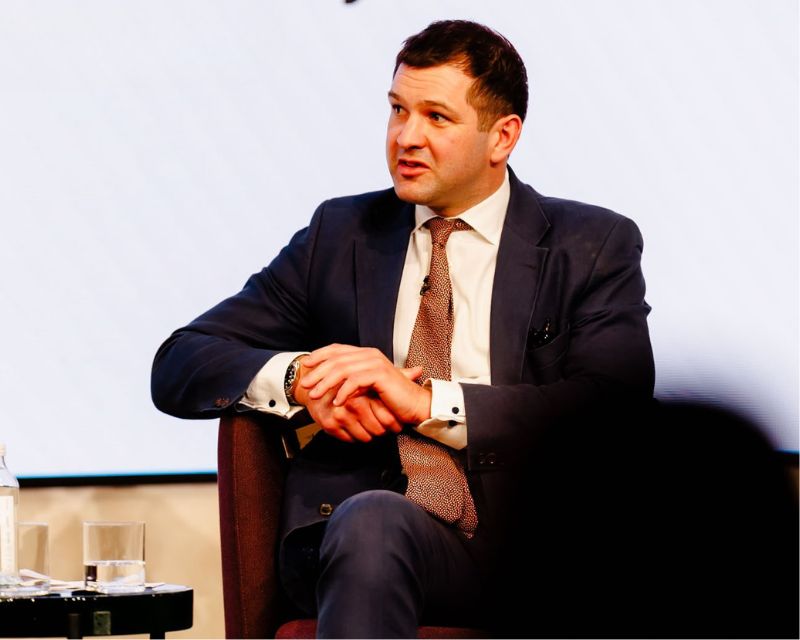
Citywealth Forum 2026 Speaker spotlight: Dan Tench, Partner at CMS
Dan Tench opened the panel by setting out why reputation has become significantly more complex for wealthy individuals. He highlighted three key pressures: technology, media change and shifting public attitudes, and framed the discussion around the growing impact of AI and the challenges of managing reputation both during life and after death.
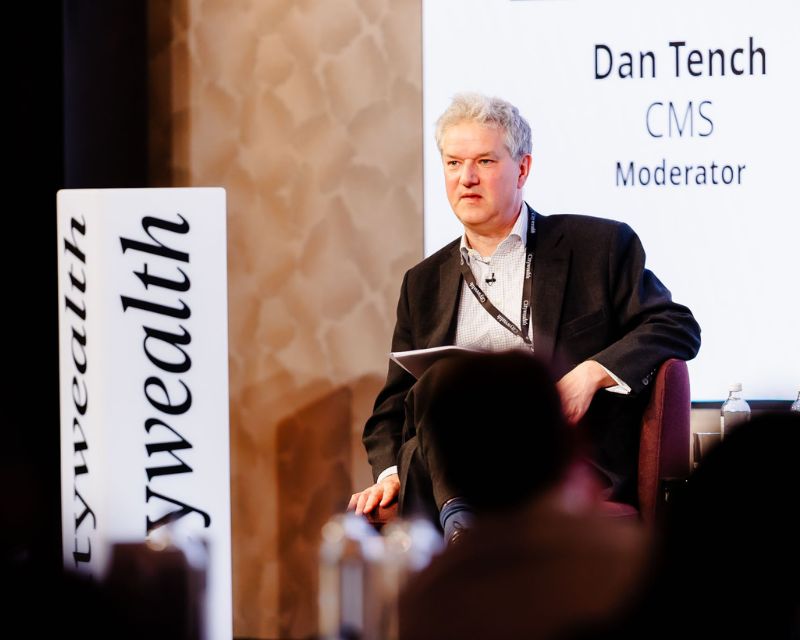
Dan Tench began by making the point that reputation risk is not new, but it has intensified sharply in recent years.
In his view, three forces are driving that change.
First, technology has evolved rapidly, from the rise of the internet and social media to the emergence of AI, which he described as a new frontier of reputational risk.
Second, the media landscape has shifted. Traditional media has declined in influence, replaced in part by online platforms and social media, while the tone of journalism itself has become more activist and agenda-driven.
Third, broader public attitudes have changed, with greater scrutiny and, at times, hostility towards wealth.
A more hostile environment for wealth
Tench was direct about the political and cultural environment.
He described a growing level of “animus” towards wealthy individuals, reflecting wider social and political debates.
This shift means that reputation is no longer just about managing isolated issues, but navigating a more volatile public landscape where wealth itself can attract attention and criticism.
The impact of AI and digital change
A central part of his framing was the speed at which AI has disrupted how information is created and consumed.
He pointed out that AI has, in a short period of time, effectively overtaken traditional search engines as a source of information. (GEO – Generative engine optimisation)
Crucially, even those developing the technology do not fully understand how it works or why it produces certain outputs, making it unpredictable, and in some cases capable of generating serious reputational harm without clear explanation.
Limits of legal protection
Tench was clear that legal tools remain important but are not always sufficient in a digital environment.
Courts operate within jurisdictional limits, while information itself is global, fast-moving and difficult to contain.
There may be value in securing a legal judgment to establish the truth, but that is only one part of a broader strategy.
Reputation of the deceased
He also introduced one of the more complex areas of the discussion: reputation after death.
For wealthy families, this is a particularly sensitive issue, as historic actions are increasingly revisited and judged through modern standards.
He noted two key challenges:
- Today’s tendency to apply contemporary moral standards to past decisions
- The difficulty of rebutting allegations when the individuals involved are no longer alive
This creates a situation where reputational issues can persist and evolve long after death.
Preparation and strategy
Across both themes, AI and post-death reputation, his framing emphasised the need for preparation.
The pace and unpredictability of modern reputational risk means that reactive strategies are often insufficient.
Instead, individuals and families need to anticipate potential issues, understand the tools available to them, and take a more proactive approach to managing how they are represented.
Looking ahead: new risks emerging
Tench also pointed briefly to future developments, including the potential impact of quantum computing.
He noted that advances in this area could significantly affect data security, particularly encrypted information, creating new risks around confidentiality and sensitive information.
While not yet immediate, he suggested this is an area clients should begin to consider.
Key Quotes
“Reputation has always been an issue for wealthy individuals… but it’s becoming an ever more vexed issue.”
“We’ve now lived through the internet, social media, and now we have AI.”
“All of those are proving to be new frontiers of reputational risk.”
“We see a changing media… and a changing in attitudes of journalists.”
“There’s a much greater animus towards wealthy individuals than there used to be.”
“AI has almost supplanted search engines as a source of information in a very short period of time.”
“It’s the first machine we’ve ever invented which we don’t quite understand how it works.”
“We live in a much more febrile world (agitated world)… a much more febrile political world.”
“Death is not the end when it comes to reputation.”
Key Takeaways
- Dan Tench discussed the intensified complexity of reputation for wealthy individuals, driven by technology, shifting media landscapes, and changing public attitudes.
- He highlighted the growing animus towards wealth, indicating a volatile public landscape that increases reputational risks.
- AI now dominates information sources, presenting unpredictability in content generation and potential reputational harm.
- Legal protections are crucial but insufficient in a fast-moving digital environment, necessitating proactive strategies for reputation management.
- Tench emphasized the importance of preparation for both living and deceased reputations, as historical actions face modern scrutiny.
- The full list of speakers:
- Moderator:
- Dan Tench, Partner, CMS
- Speakers:
- Gideon Benaim, Partner and Head of the Reputation Protection Team of Simkins
- Josh Leigh, Partner at Schillings
- Ryan McSharry, Director / Head Crisis and Litigation (UK) at INFINITE
- Kate Wilson, Barrister, 5RB
- The panel
- 14:45 – 15:30 | Panel 6: Reputation. Building and protecting the digital reputation of families and their children. Also post death reputation management.
- Reputation Recovery. Strategies for mitigating and repairing reputational damage caused by mistakes, misinformation, or malicious actions. This will include post death reputation management. Discussions will consider legislation which extends the rights of publicity for a fixed number of years after death and common law where the rights of publicity ends at death.
Subscribe to the Citywealth Weekly Newsletter to learn more about Private Wealth Management.


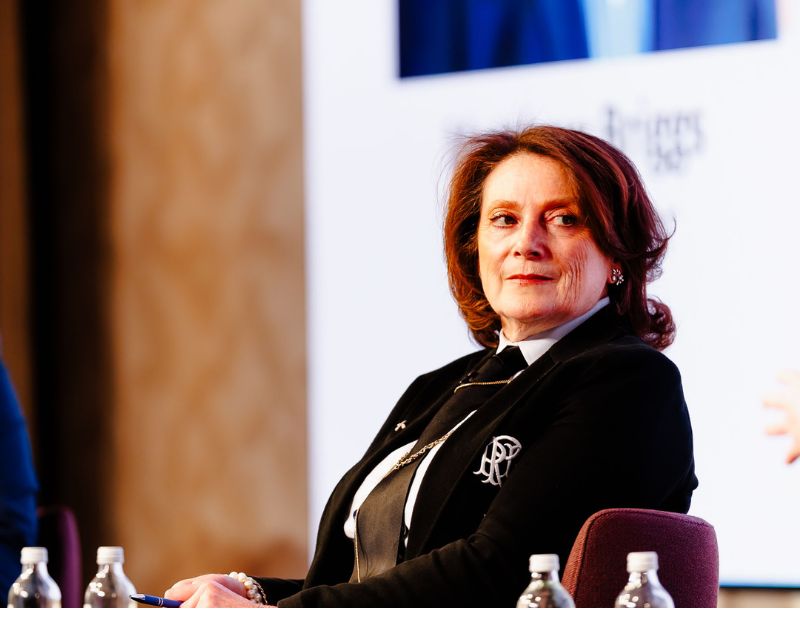
Citywealth Forum 2026 Speaker spotlight: Anna Josse, CEO and Co-founder of Prism the Gift Fund
Anna Josse focused on how philanthropy needs to evolve, with charities improving their ability to engage major donors and navigate tax structures. She highlighted the importance of unrestricted funding, long-term donor relationships, and the growing need for cross-border giving solutions as clients become more international.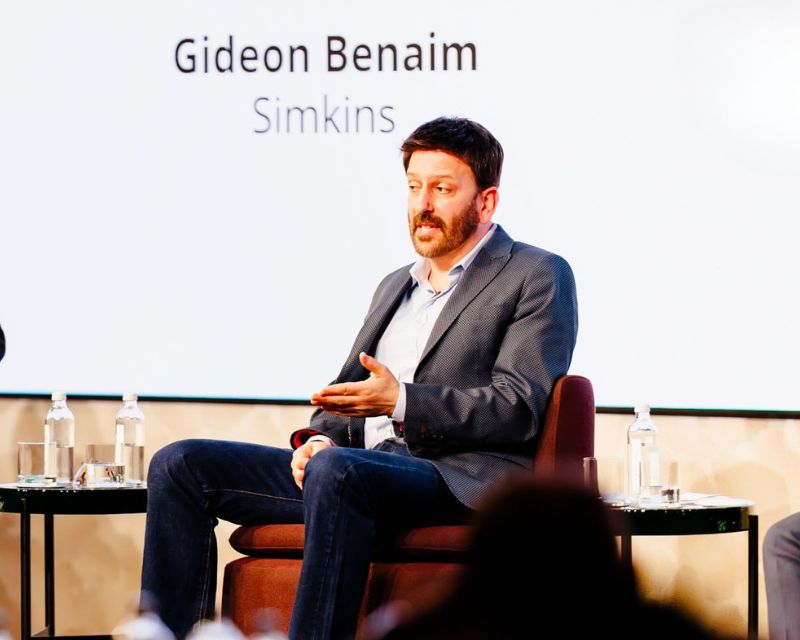
Citywealth Forum 2026 Speaker spotlight: Gideon Benaim, Partner and Head of the Reputation Protection Team at Simkins
Gideon Benaim focused on how AI is fundamentally changing reputation management. He described AI as a system that strips context from information while accelerating disinformation at scale. His key message was that passive reputation management no longer works, individuals must actively shape how they appear in digital systems.