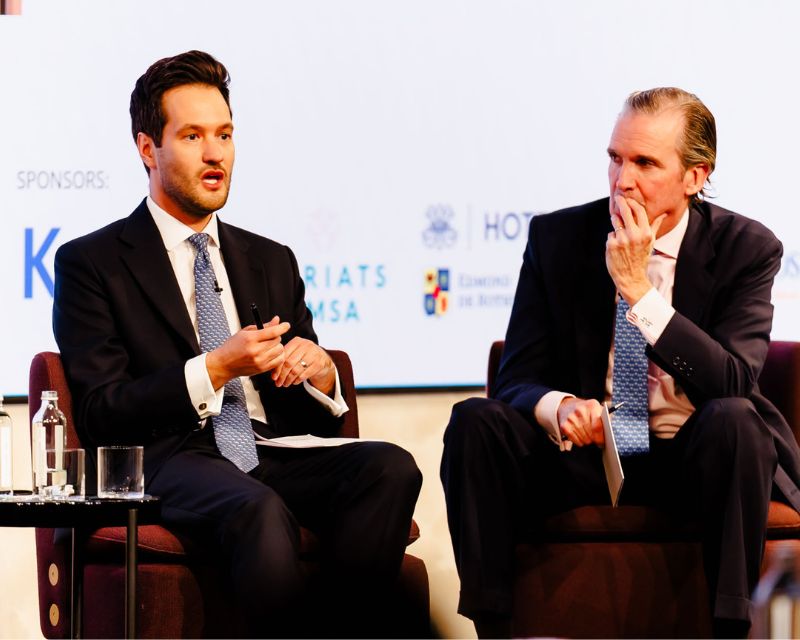
Citywealth Forum 2026 Speaker spotlight: Josh Leigh, Partner at Schillings
Josh Leigh focused on how reputational damage is often amplified by the actions of clients themselves rather than external attack. His core message was that overreaction can worsen situations, and that effective reputation management requires restraint, audience focus and careful engagement with media.
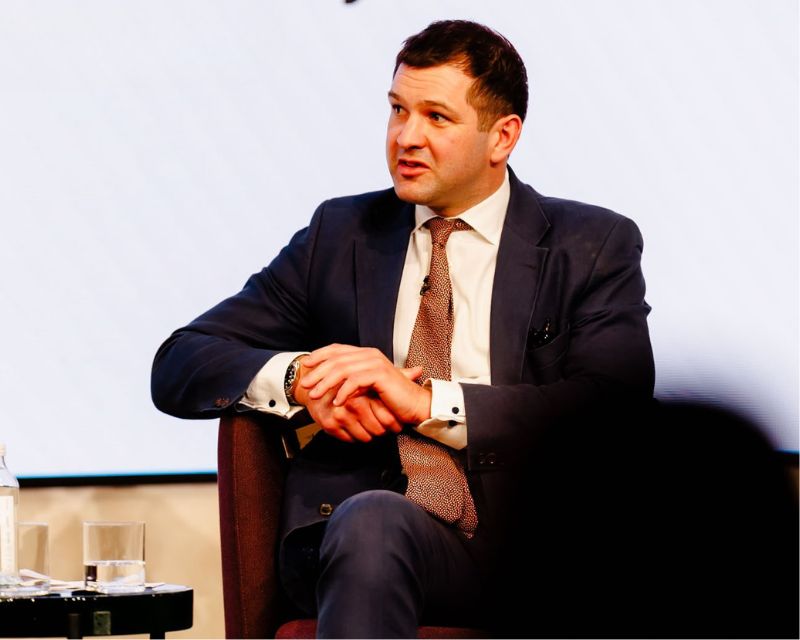
Josh Leigh brought a slightly different perspective to the panel, arguing that some of the most damaging reputation issues are not external, but self-created.
In particular, he highlighted how attempts to control or suppress a story can backfire, drawing greater attention to it and amplifying the impact.
This dynamic, often referred to as the Streisand effect, remains a recurring issue for high-profile clients.
When control makes things worse
His point was that instinctive reactions—trying to shut down a narrative or respond forcefully—can escalate a situation rather than resolve it.
In the digital environment, where content spreads rapidly and unpredictably, attempts at control can attract further scrutiny and increase visibility.
This makes judgment and restraint critical elements of any response strategy.
Accepting limits in the digital world
Leigh also emphasised a broader reality: not every piece of damaging content can be removed or corrected.
Even with strong legal and advisory support, there will often be areas of the internet where negative material persists.
Rather than attempting to eliminate everything, the focus needs to shift towards managing impact.
Focusing on the audiences that matter
A key part of that approach is understanding which audiences actually matter.
For wealthy individuals and families, reputational risk is rarely about the general public alone. It is about specific stakeholders: family members, business partners, boards, trustees and close networks.
Managing perception within those groups can be more important than attempting to respond to every piece of negative content online.
Anchoring reputation in trusted sources
Leigh also reinforced the continued importance of traditional media.
Despite the rise of AI and digital platforms, established publications still carry authority and credibility.
In a crisis, engaging with trusted media on clear terms can help establish a factual record and counterbalance unreliable or misleading online content.
Proportion and dignity in response
Across his contribution, a consistent theme was proportion.
Reputation management is not always about aggressive action or immediate response. In some situations, the best approach is to step back, maintain dignity and avoid escalating the issue.
This requires confidence and careful judgment, particularly where clients feel pressure to act quickly.
Reputation as a strategic exercise
His overall message was that reputation management has become more strategic.
It is not just about reacting to events, but about deciding when to act, when not to act, and how to prioritise effort.
In an environment where information is constant and often uncontrollable, the ability to focus on what actually matters becomes critical.
Key Quotes
“The greatest reputational damage is often self-inflicted.”
“Clients are often desperate to control a narrative or shut a story down.”
“That’s when attention is amplified.”
“You’re just not going to win the information war.”
“There’s a dark corner of the internet that will be defaming you somewhere.”
“It becomes about maintaining dignity and proportion of response.”
“Focus on the audiences that actually matter.”
“Trusted publications will often carry more weight.”
Key Takeaways
- Josh Leigh highlighted that reputational damage often stems from clients’ own actions rather than external attacks.
- He emphasized that attempts to control narratives can backfire, increasing visibility and impact, a phenomenon known as the Streisand effect.
- Judgment and restraint are crucial in response strategies to manage reputational risks effectively.
- Leigh suggested focusing on relevant stakeholders rather than responding to all negative content online.
- Traditional media remains important, as it can establish credibility and help balance misleading online information.
- The full list of speakers:
- Moderator:
- Dan Tench, Partner, CMS
- Speakers:
- Gideon Benaim, Partner and Head of the Reputation Protection Team of Simkins
- Josh Leigh, Partner at Schillings
- Ryan McSharry, Director / Head Crisis and Litigation (UK) at INFINITE
- Kate Wilson, Barrister, 5RB
- The panel
- 14:45 – 15:30 | Panel 6: Reputation. Building and protecting the digital reputation of families and their children. Also post death reputation management.
- Reputation Recovery. Strategies for mitigating and repairing reputational damage caused by mistakes, misinformation, or malicious actions. This will include post death reputation management. Discussions will consider legislation which extends the rights of publicity for a fixed number of years after death and common law where the rights of publicity ends at death.
Subscribe to the Citywealth Weekly Newsletter to learn more about Private Wealth Management.


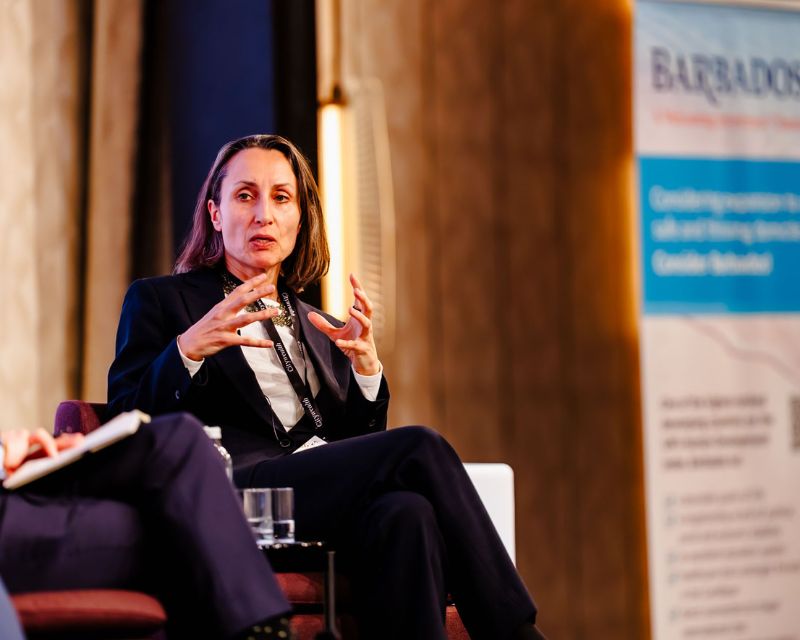
Citywealth Forum 2026 Speaker spotlight: Kate Wilson, Barrister at 5RB
Kate Wilson focused on the legal realities of reputation protection in the digital and AI age. She highlighted the limits of defamation law when dealing with AI-generated content, the importance of data protection and confidentiality as alternative tools, and the significant legal gap when it comes to protecting the reputation of the deceased.
Citywealth Forum 2026 Speaker spotlight: Ryan McSharry, Director / Head of Crisis and Litigation (UK) at INFINITE
Ryan McSharry focused on the practical realities of reputation crises in the digital age. He highlighted the speed and scale at which misinformation now spreads, stressing the importance of preparation, coordinated legal and communications strategies, and knowing when not to respond.