Citywealth Forum 2026 Speaker spotlight: Gideon Benaim, Partner and Head of the Reputation Protection Team at Simkins
Gideon Benaim focused on how AI is fundamentally changing reputation management. He described AI as a system that strips context from information while accelerating disinformation at scale. His key message was that passive reputation management no longer works, individuals must actively shape how they appear in digital systems.
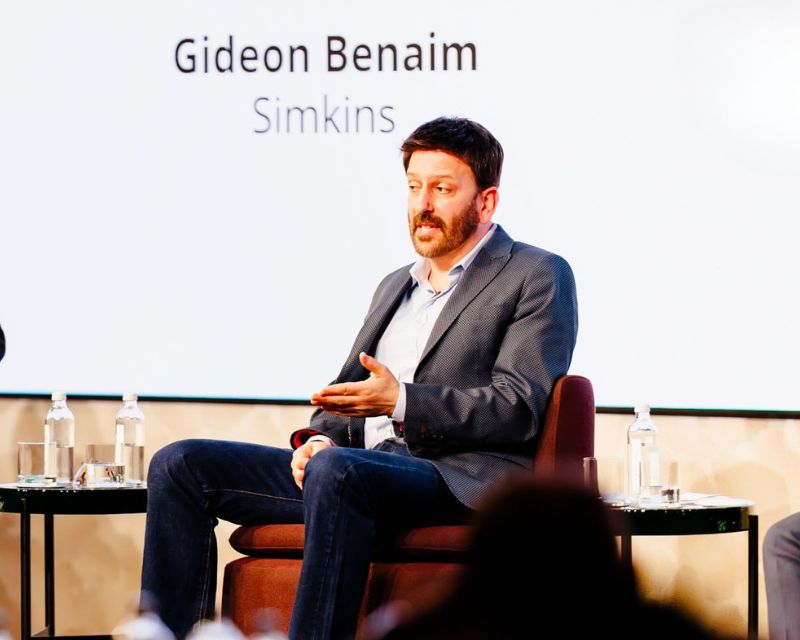
Gideon Benaim set out the most immediate shift: how people now access information.
He compared traditional search engines to a library, where users could review multiple sources. By contrast, AI has become a “summary layer,” selecting fragments of information and presenting them without context or attribution.
This change alters not just how information is consumed, but how reputations are formed.
Disinformation at scale
A central concern in his remarks was the industrialisation of disinformation.
He described live examples where entire reputational attacks had been constructed using AI: articles written by machines, published on low-quality sites, attributed to fictional authors with fabricated histories.
In one case, multiple pieces of content were created to appear as if they had been produced over several years, when in reality they had been generated and uploaded within weeks.
The effect is to create a convincing but entirely artificial narrative that can influence due diligence systems, compliance checks and wider perception.
The erosion of trust
This type of activity, he argued, leads to a broader issue: a loss of trust in information itself.
AI does not simply spread misinformation, it makes it harder to distinguish between genuine and false content.
Even authentic material can be challenged or dismissed, while fabricated content can appear credible.
Why silence no longer works
One of his more direct conclusions was that traditional reputation strategies no longer hold.
The long-standing approach of staying quiet and avoiding engagement or “never complain, never explain”, is no longer effective.
AI systems will still generate answers to questions about individuals, regardless of whether they have engaged publicly.
If accurate information is not available and accessible, those systems may rely on incomplete or hostile sources instead.
Shaping the digital ecosystem
In response, Benaim outlined a more proactive approach.
Clients need to understand what information exists about them, how it is being used, and what sources are influencing AI outputs.
From there, the strategy becomes one of intervention, ensuring that credible, authoritative material is available within the digital ecosystem to provide balance.
Influencing AI outputs
A key point was that individuals have more influence over AI outputs than they might assume.
By creating well-structured, authoritative content, such as websites or controlled digital assets, it is possible to influence how AI systems respond to queries.
These systems are designed to prioritise material that appears credible, consistent and well-supported.
Working with platforms
He also noted that some AI platforms allow for direct challenges to incorrect content.
Where systems are designed to improve accuracy, providing clear evidence that information is wrong can lead to corrections.
This reflects the fact that many of these systems are not deliberately biased, but are trying to balance usefulness with relevance and speed.
The continued role of media
Despite the focus on AI, Benaim emphasised that traditional media still matters.
Established publications continue to provide a level of verification and credibility that digital platforms often lack.
Engaging with reputable media can therefore help anchor a narrative and provide a counterweight to unreliable online content.
A fundamentally different environment
His overall message was that reputation now exists within a far more complex system.
Information is generated faster, spread more widely, and interpreted through automated systems that may lack context or judgment.
Managing reputation in this environment requires active involvement—monitoring, responding and shaping what information is available.
Key Quotes
“AI is the SparkNotes version of the internet.”
“It’s cherry-picking certain lines and feeding them to you without any context.”
“AI has really industrialised disinformation.”
“All the articles are written by AI… even the authors are AI-generated.”
“It’s completely diluting our trust in absolutely everything and everyone.”
“‘Never complain, never explain’ is no longer an option.”
“AI dignifies every question with an answer.”
“You can actually impact what AI says about you.”
“You don’t necessarily need the media to do it.”
Key Takeaways
- Gideon Benaim highlights that AI changes reputation management by stripping context and accelerating disinformation.
- He warns that AI acts as a summary layer, affecting how reputations are formed and making it harder to distinguish truth from falsehood.
- Traditional reputation strategies are ineffective; individuals must actively shape their online presence and ensure credible information is available.
- Benaim stresses the importance of creating authoritative content to influence AI outputs and working with platforms to correct misinformation.
- Despite AI’s rise, traditional media still plays a crucial role in verifying information and helping manage reputations.
- The full list of speakers:
- Moderator:
- Dan Tench, Partner, CMS
- Speakers:
- Gideon Benaim, Partner and Head of the Reputation Protection Team of Simkins
- Josh Leigh, Partner at Schillings
- Ryan McSharry, Director / Head Crisis and Litigation (UK) at INFINITE
- Kate Wilson, Barrister, 5RB
- The panel
- 14:45 – 15:30 | Panel 6: Reputation. Building and protecting the digital reputation of families and their children. Also post death reputation management.
- Reputation Recovery. Strategies for mitigating and repairing reputational damage caused by mistakes, misinformation, or malicious actions. This will include post death reputation management. Discussions will consider legislation which extends the rights of publicity for a fixed number of years after death and common law where the rights of publicity ends at death.
Subscribe to the Citywealth Weekly Newsletter to learn more about Private Wealth Management.


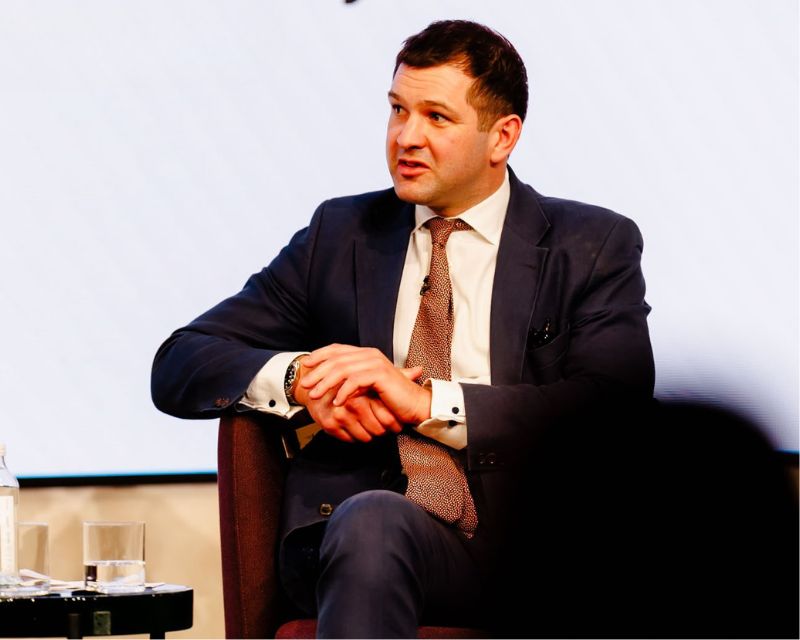
Citywealth Forum 2026 Speaker spotlight: Josh Leigh, Partner at Schillings
Josh Leigh focused on how reputational damage is often amplified by the actions of clients themselves rather than external attack. His core message was that overreaction can worsen situations, and that effective reputation management requires restraint, audience focus and careful engagement with media.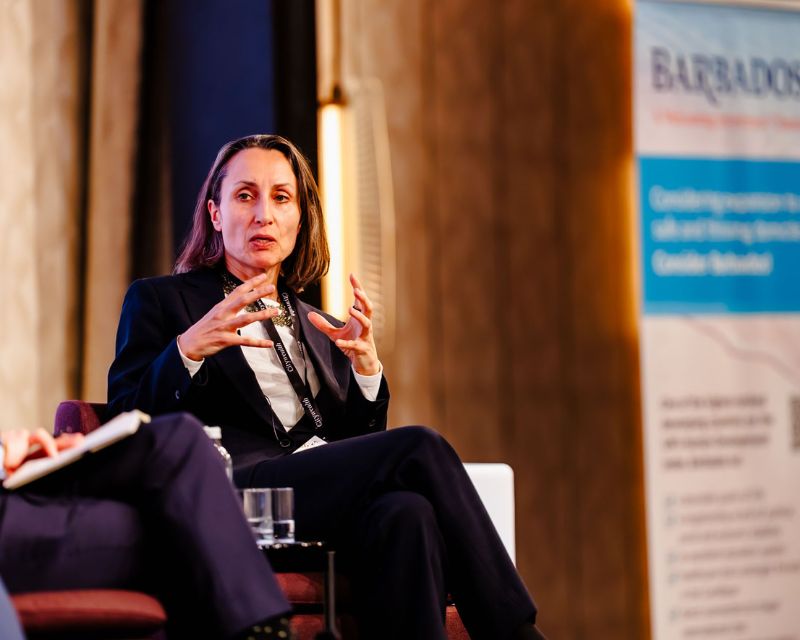
Citywealth Forum 2026 Speaker spotlight: Kate Wilson, Barrister at 5RB
Kate Wilson focused on the legal realities of reputation protection in the digital and AI age. She highlighted the limits of defamation law when dealing with AI-generated content, the importance of data protection and confidentiality as alternative tools, and the significant legal gap when it comes to protecting the reputation of the deceased.