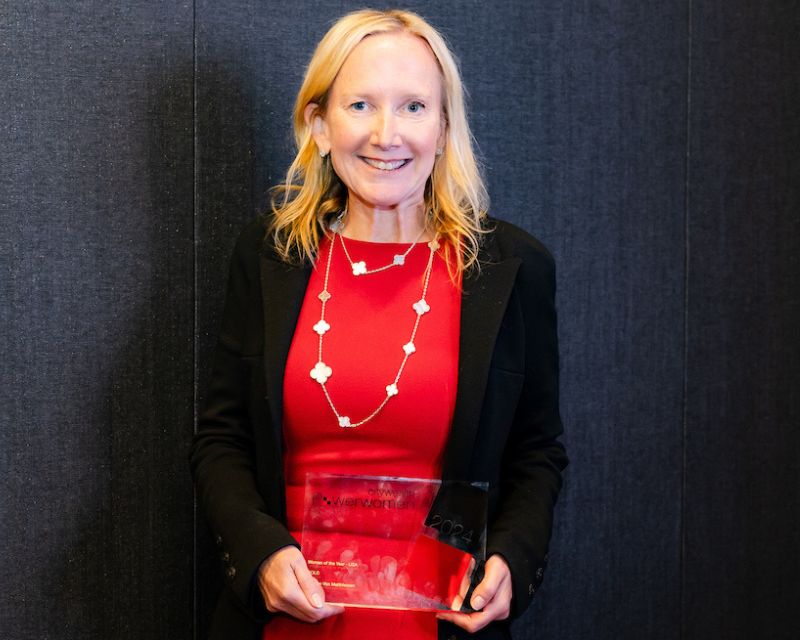
Citywealth Forum USA 2026 – debating modern private wealth and private clients
The inaugural Citywealth Forum USA in New York, 18th March, set out a clear brief: how private wealth decisions are being made when markets are unsettled, families are increasingly mobile, and assets extend well beyond traditional portfolios.

Picture: Emily Dreas, Bank of America Private Bank; Arya S. Rahimian, Kroll and Lisa Barksdale, Bank of America
The day was moderated by Jan Hopkins an Emmy and Peabody Award winning journalist and former anchor & correspondent at CNN with two decades of experience in business news and network television production. She is a former Managing Director at Citigroup Private Bank and former President of the Economic Club of New York.
Over the course of the afternoon, discussion moved deliberately from trust governance and investment strategy into areas where advisers are facing new forms of exposure. Panels examined the implications of cross border planning across Latin America including a long term, regional consideration of ‘plan C’, before turning to assets that bring legal, operational and reputational considerations into sharp focus like digital assets which were seen to operate in a grey area in terms of responsibility by trustee, lawyer or beneficiary.
Art was discussed not as a lifestyle holding but as a responsibility that carries long term planning, logistical risk and succession consequences, often falling to heirs who did not create the collection and may not wish to retain it. The final session addressed women’s sport as a destination for serious capital, framed around valuation discipline, governance standards and reputation management, with private equity, celebrity involvement and ultra high net worth investment treated as part of a single capital ecosystem.
This review outlines the principal themes to be discussed on the day. A full report with detailed analysis and speaker insight will follow in the next few weeks.
Trusts & Investment strategies
The opening panel addressed a central tension running through modern trust management: how trustees can accommodate growth, innovation and non traditional assets without absorbing disproportionate liability or weakening fiduciary standards. With markets unsettled and beneficiary expectations rising, the discussion focused less on performance and more on structure, process and risk allocation.
Paulina Mejia of Fiduciary Trust International set out a clear framework grounded in prudent investor principles. She argued that no asset class is inherently excluded and that prudence does not equate to conservatism. Instead, it depends on alignment with the trust’s purpose and terms, the circumstances of beneficiaries, appropriate diversification, and a documented decision making process that addresses regulation, valuation and custody. Delegation, she noted, can itself be prudent, provided it is done properly and does not dilute accountability.
Nikita Gibson of Geneva International Insurance expanded the discussion by focusing on how trustees and families are using structural tools to share and reframe risk rather than simply avoid it. She highlighted the growing use of private placement life insurance, particularly offshore structures, as a way to hold non traditional assets within a regulated wrapper. By concentrating reporting at the policy level and separating investment risk from trustee balance sheets, these structures can simplify oversight, support asset protection, and allow trustees to remain engaged without assuming full exposure. Gibson stressed that this approach does not remove the need for fiduciary judgment, but it can rebalance responsibilities in a way that better reflects modern family objectives.
Robert Macro of Druces cautioned that while mechanisms such as directed trusts, investment adviser appointments and insurance wrappers can be effective, they also raise questions about where fiduciary responsibility ultimately sits. Drawing on cross border experience, he noted the difficulty of updating long standing trusts to accommodate higher growth strategies across multiple jurisdictions. He warned that excessive fragmentation of duties risks hollowing out core fiduciary concepts, particularly where trust language is unclear or families have not articulated shared expectations. Clear drafting and family charters were cited as essential tools in managing this transition.
Across the panel, there was broad agreement that litigation risk is more often driven by misalignment and lack of communication about processes or paper trails rather than by investment loss. Process, communication and clarity of roles were repeatedly identified as the primary defences.
As moderator, Julie Neitzel of WE Family Offices observed, many trusts were created decades ago for families whose profiles, interests and geographies have since changed. The challenge is not simply modernising investments, but doing so in a way that preserves trust integrity while allowing structures to function in the world families now inhabit.
Leading the Conversation on Latin America’s Wealth Evolution
The Latin American panel focused on a region undergoing structural change, where wealth planning is being reshaped by volatility, mobility and increasingly global family dynamics. The session was designed to explore the issues advisers are actively considering as they prepare for a more complex and less predictable environment.
Moderated by Marina Cristiani of JTC USA Private Client Services, the discussion was anchored around Brazil and Mexico as the principal markets through which broader regional trends can be understood. Both countries illustrate, in different ways, how wealth is evolving and how planning strategies are adapting in response.
In Brazil, the focus, explained Nina Heindel Baumbach, Senior Manager, International Tax & Transfer Pricing at RSM US, is on the gradual shift from a historically domestic concentration of wealth towards more international structures. This raises questions around coordination across jurisdictions, the interaction between local tax regimes and offshore holdings, and the increasing importance of transparency and reporting. Greater global mobility among Brazilian families also brings pre immigration planning into sharper focus, where timing and sequencing are becoming considerations.
Mexico, said Francesca Boschini, Head of International Wealth Planning at Deutsche Bank Wealth Management Americas, reflects a different but equally significant dynamic. Nearshoring and closer economic alignment with the United States are contributing to new wealth creation, while also reinforcing the need for diversification. Capital is moving more deliberately into US and European markets, with political cycles and currency volatility continuing to shape decision making. At the same time, younger generations are influencing strategy through greater use of digital platforms and a broader appetite for alternative and technology driven investments.
Across both markets, the panel points to a wider shift in priorities. Wealth planning is no longer centred solely on tax, but increasingly shaped by concerns around privacy, personal security, governance and global mobility. As families become more international, there is a continuing need for structures that are both flexible and clearly defined in terms of roles and responsibilities although the panelists acknowledged that this region knows about plan b and plan c.
Questions of preservation and protection are being considered through the use of cross border structures, jurisdictional diversification and insurance. Alongside this, there is a continued focus on how risk is managed.
Succession planning forms a central part of this evolving picture. With significant intergenerational wealth transfer ahead, families are placing greater emphasis on governance frameworks, education and earlier engagement with the next generation. This includes a growing interest in lifetime giving strategies and a willingness to consider newer asset classes such as venture capital and digital investments.
Beyond the Frame: Managing and Transitioning Major Art Collections. When Collecting Outlasts the Collector
The art panel focused on a question that is becoming increasingly difficult to ignore within private wealth: what happens when collections outlast the individuals who built them. As lifespans extend and wealth transitions accelerate, responsibility for significant art holdings is expected to fall more frequently to spouses, daughters and female heirs, often without the same level of engagement in the original collecting process.
Moderated by Francesca Boschini of Deutsche Bank Wealth Management, the session was positioned to examine art not as a passive store of value, but as an asset class that brings financial, logistical and emotional complications, particularly at moments of transition.
A central line of thinking was to explore the gap between acquisition and stewardship. Collections are often built over decades with a clear personal vision, yet the burden of managing, maintaining or divesting those assets can fall to individuals who did not shape that vision and may not wish to continue it. This raises practical questions around custody, insurance, valuation and eventual sale, alongside more sensitive issues of legacy and family expectation.
Courtney Christensen, Senior Director, Trusts & Estates at Winston Art Group discussed the increasing importance of discipline in collection management. Regular valuations, rigorous record keeping and clear provenance are no longer optional but essential, particularly in the context of estate planning and potential disputes. As collections grow in value and complexity, the need for structured oversight begins to mirror that of more traditional financial assets.
From a market perspective, Sherri Cohen, Senior Vice President, Global Head of the Fiduciary Client Group at Sotheby’s cited a shifting landscape. The highest value segment, accounting for some of the largest values, raised questions around timing, liquidity and strategy, particularly for estates that may be required to sell within defined timeframes. Tax considerations, including the impact of capital gains versus step up in basis, were expected to sit alongside more practical decisions about where and when to bring works to market.
At the same time, the composition of demand is changing. New bidders, including younger collectors, are entering the market with different preferences, often extending beyond fine art into luxury categories such as jewellery, watches and design. This shift introduces both opportunity and risk, particularly for collections that may no longer align with current taste or market momentum.
Danielle Amato-Milligan offered a complementary perspective, focused on the intersection between private collections and the institutional world. For some families, philanthropy, donation or long term partnership with museums and foundations may form part of the solution. However, these routes introduce their own complexities, including governance, valuation and alignment between family intent and institutional priorities. Her work with both families and cultural organisations highlighted the importance of approaching these decisions holistically rather than as isolated transactions.
Across the panel, there was an underlying recognition that art behaves differently from other assets. Emotional attachment, often tied to the identity of the original collector, can sit uneasily alongside financial considerations. This tension is particularly evident in moments of succession, where decisions about sale, retention or division can create friction within families, especially where collections have not been evenly allocated or clearly addressed in estate planning.
There is also a growing awareness that the profile of the decision maker is changing. As women come to control a greater share of global wealth, including through inheritance, their influence on the direction of collections and the wider market is expected to increase. This shift is not only demographic but behavioural, with indications that female collectors may approach acquisition, risk and artist relationships differently.
Overall, the panel felt art collections as assets require active management across their full lifecycle, from acquisition through to transition. The emphasis is likely to fall on preparation rather than reaction, with advisers and families considering how best to navigate valuation, liquidity, governance and legacy before those decisions become urgent.
The Billion Dollar Game: Women’s Sport, Celebrity Capital and the Future of Investment
The final panel focused on the rapid evolution of sport as an institutional asset class, with particular attention on the convergence of capital, media and reputation. Set against a backdrop of rising valuations and expanding ownership models, the session examined how women’s sport is moving from the margins towards a more central position within global investment strategies.
Moderated by Emily Dreas, Managing Director and the Senior Market Executive at Bank of America Private Bank, the discussion was framed around the increasing sophistication of sports ownership. What was once the domain of single majority owners has become characterised by more complex structures involving minority investors, family offices and private equity. This shift reflected both the scale of capital required and the growing recognition of sport as a long term, income generating asset, underpinned by media rights, scarcity and global audience growth.
Arya Rahimian of Kroll anchored the conversation in valuation. Men’s professional franchises were positioned as having historically led the market, benefiting from established revenue models and predictable appreciation. Women’s sport, by contrast, was described as being at an earlier stage of its valuation cycle, but increasingly supported by strong growth fundamentals, rising audience engagement and a widening investor base. The discussion pointed to a market where the direction of travel was clear, even if pricing and pace of growth remain under active assessment.
From a financing perspective, Lisa Barksdale, Head of Global Wealth & Investment Management Credit at Bank at America of Bank of America highlighted how lending structures have evolved alongside ownership models. Financing was discussed less in terms of the asset alone and more in relation to the broader balance sheet of the owner, their liquidity and long term strategy. This approach was seen as enabling ultra high net worth investors to remain flexible and opportunistic, while managing risk within a more disciplined framework. It also reflected the complexity of sports assets, which require careful structuring given their revenue profiles and capital intensity.
Jess Alden, Partner at Slateford law firm introduced the dimension of reputation. As sport has become more commercial and more visible, the personal profiles of athletes and owners have carried increasing financial consequence. Media scrutiny, privacy and crisis management were discussed as central considerations, particularly in the context of high profile moments that can influence both individual careers and the wider perception of women’s sport. The role of fan engagement in shaping and sustaining value also emerged as a key theme.
Underlying the session was a broader consideration of the role of capital. Investment in women’s sport was seen as combining commercial intent with elements of patronage, particularly at earlier stages of growth where infrastructure and visibility are still developing. This requires a longer term perspective, alongside a willingness to engage with the sector beyond purely financial returns.
There was also a clear emphasis on data. Valuation, revenue growth and audience metrics were identified as increasingly important tools in assessing opportunity, bringing greater rigour to investment decisions. At the same time, cultural relevance, narrative and brand strength remained integral to long term value creation.
Overall, the panel positioned women’s sport within a wider capital ecosystem that includes private equity, institutional investors and ultra high net worth individuals. The opportunity was clear, but so too was the complexity, with success dependent not only on financial structuring, but also on governance, reputation and the ability to sustain fanbase growth in a young and evolving market.
If you would like to be a speaker at either the London or New York Forum in 2026/27/28 please fill out our submissions link
See the London Forum agenda here
Our keynote speaker for London on the 12th May 2026 is confirmed as Greg Swenson – Chairman of Republicans Overseas UK and Co-Founder of The Hamilton Society an organisation which provides Anglo-Americans with a platform for free speech, discourse and debate. See the full list of confirmed speakers here and the agenda here. We look forward to continuing the transatlantic debate.
See the Citywealth inaugural Transatlantic Select list of top advisors and managers
Key Takeaways
- The Citywealth Forum USA 2026 focused on private wealth decisions amid market volatility and family mobility.
- Panel discussions covered trust governance, investment strategies, and the role of digital assets in wealth management.
- Latin American wealth evolution highlighted the shift towards international structures due to changing family dynamics.
- Art management was addressed, emphasising the need for discipline in collection oversight amid transitions.
- Women’s sport emerged as a significant investment area, blending capital, media presence and reputation management.
Subscribe to the Citywealth Weekly Newsletter to learn more about Private Wealth Management.
Read More:
Citywealth Powerwomen Awards – International – Shortlist | Citywealth | 2026 shortlist best offshore
Table of contents

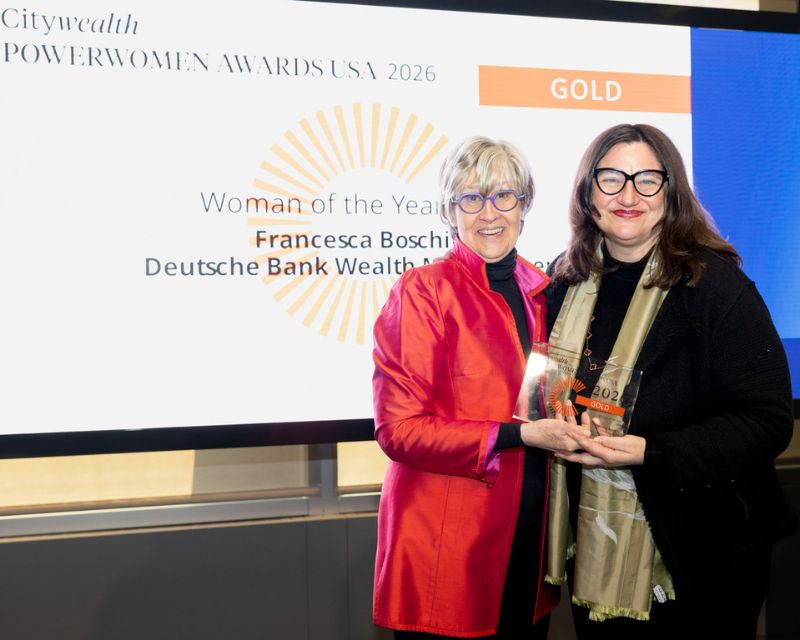
Citywealth Powerwomen Awards USA – 2026
The Citywealth Powerwomen Awards USA brought together leading figures from the private wealth, legal, and financial sectors for an evening recognising women whose influence, leadership and professional excellence continue to shape their industries.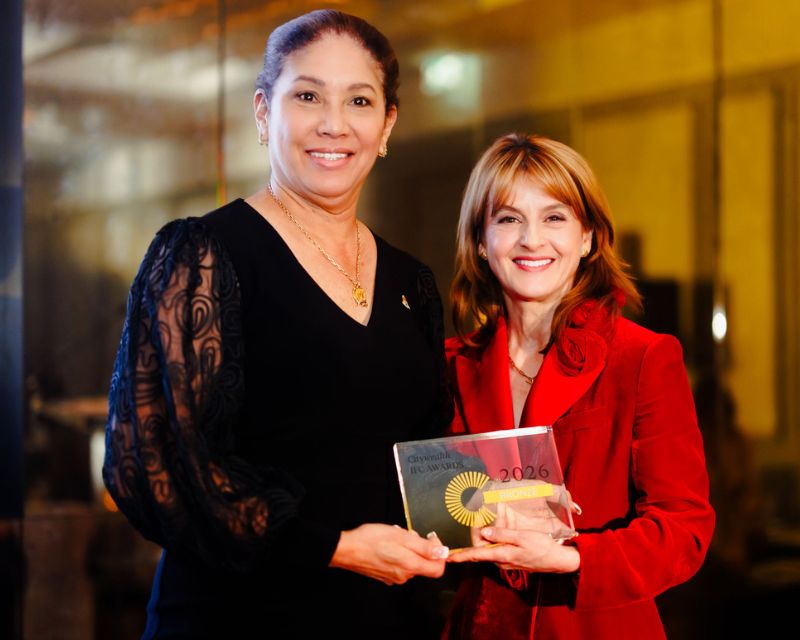
Open for submissions: Citywealth IFC Awards 2027
Unveiling the Pinnacle of Global Private Wealth Excellence.