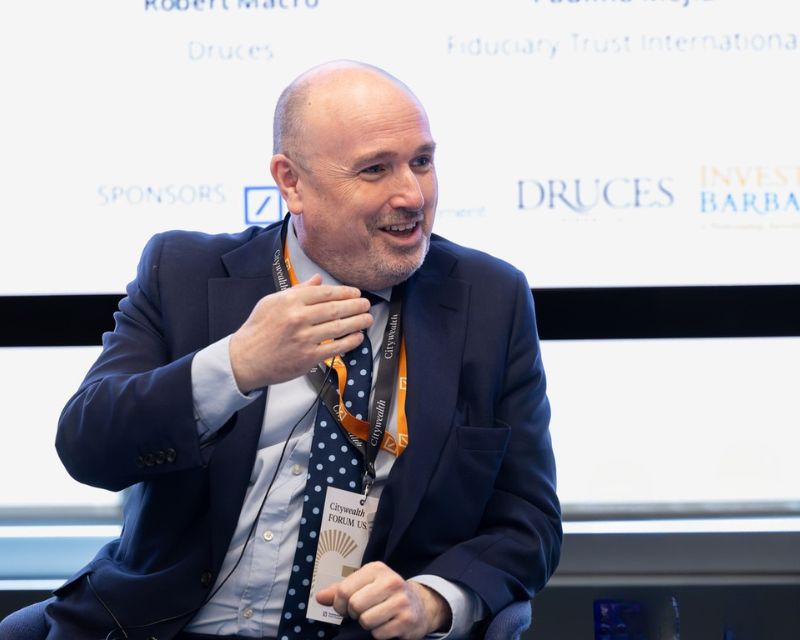
Citywealth Forum USA 2026 speaker spotlight: Francesca Boschini, Director and Head of International Wealth Planning and Head of Insurance Solutions for the Americas, Deutsche Bank Wealth Management
Beyond the Frame: Managing and Transitioning Major Art Collections
Overview
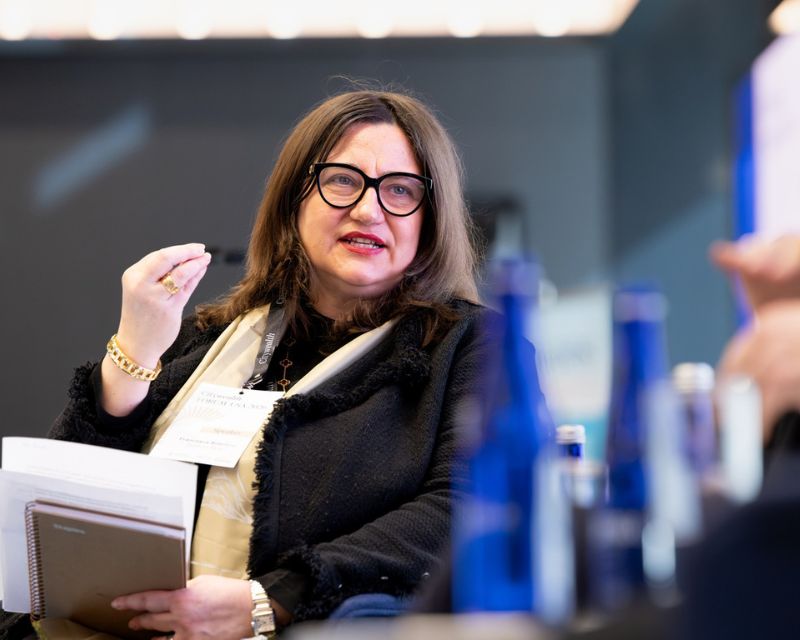
Francesca Boschini moderated the session examining the practical and financial realities of managing major art collections as they pass between generations.
The discussion focused on what happens when collections outlive their original owners, and the increasing likelihood that responsibility falls to spouses, daughters, or other female heirs. Boschini framed the topic within a wider wealth planning context, noting that art is often not just a financial asset but an emotional one, and decisions around it are rarely purely transactional.
Key Themes from Francesca Boschini
1. Art Within the Wealth Structure
Boschini placed art within the broader context of wealth planning, noting that collections are increasingly treated as part of a family’s overall asset base rather than as separate holdings.
Her focus was on how these assets are incorporated into estate planning, particularly where they are illiquid, difficult to value, and often held without clear documentation.
2. Generational Transfer and Responsibility
A central issue was the transfer of collections across generations. Boschini noted that many collections are built by a single individual, often without detailed planning, documentation, or clear succession structures.
When ownership passes, heirs may inherit significant value but also responsibility, including decisions on storage, sale, insurance, and long term management.
This is often complicated by differing levels of interest. The next generation may not share the same connection to the collection, increasing the likelihood of sale or dispute. Boschini also noted that decisions around donations or the allocation of individual works to one family member rather than others can create tension, and in some cases lead to disputes or litigation.
3. Women and Inherited Collections
Boschini also addressed the demographic shift underpinning the session. As women tend to outlive their partners, they are frequently the ones managing collections after a collector’s death.
She noted that women are often already involved in the philanthropic side of family collections, including relationships with institutions and charitable giving, which can shape how collections are managed or ultimately distributed.
At the same time, this can present practical challenges, particularly where the inheriting party was not directly involved in building or maintaining the collection. The discussion pointed to the need for clearer planning and earlier involvement of future decision makers.
4. Liquidity, Costs, and Practical Constraints
From a planning perspective, Boschini highlighted the practical constraints of art as an asset. Collections are often illiquid, costly to store and insure, and difficult to value consistently.
She also noted that tastes change over time, and works can fall out of favour, affecting demand and pricing. This adds a further layer of uncertainty when collections are being valued or transferred.
The panel discussed the increasing use of lending against art and third party guarantees to introduce liquidity, although these approaches require careful oversight.
5. Philanthropy and Alternative Outcomes
Boschini also introduced the role of philanthropy in managing collections. Donations to donor advised funds and other charitable structures are being used as alternatives to sale, particularly where families wish to preserve the cultural or personal value of artworks.
This can form part of a broader approach to managing collections over time.
Closing Perspective
Boschini’s moderation brought together the legal, financial, and personal dimensions of managing art collections. Her framing made clear that these assets require the same level of planning as other parts of a family’s wealth.
Without preparation, they can become difficult to manage at the point of transfer. With planning, they can be integrated more effectively into long term wealth strategy.
Key Points from the Discussion
- Art is often both a financial and emotional asset, shaping how decisions are made
- Collections are increasingly treated as part of a family’s overall wealth structure
- Many collections are transferred without clear planning or documentation
- Next generation heirs may be less engaged, increasing the likelihood of sale or dispute
- Women are often responsible for managing collections after inheritance
- Illiquidity, storage, insurance, and valuation remain key challenges
Fellow Panellists
Sherri Cohen, Senior Vice President and Global Head of the Fiduciary Client Group at Sotheby’s
Courtney Christensen, Senior Director, Trusts and Estates at Winston Art Group
Key Takeaways
- Francesca Boschini moderated a session on managing major art collections across generations.
- Key topics included the incorporation of art into wealth structures and the responsibilities of heirs upon inheritance.
- Women increasingly manage inherited collections, often facing unique challenges in planning and decision-making.
- Practical obstacles such as illiquidity, storage, and valuation complicate the transfer of art assets.
- Philanthropy plays a critical role, with donations serving as alternatives to sales for preserving artworks’ cultural value.
For more information, click here.
Subscribe to the Citywealth Weekly Newsletter to learn more about Private Wealth Management.


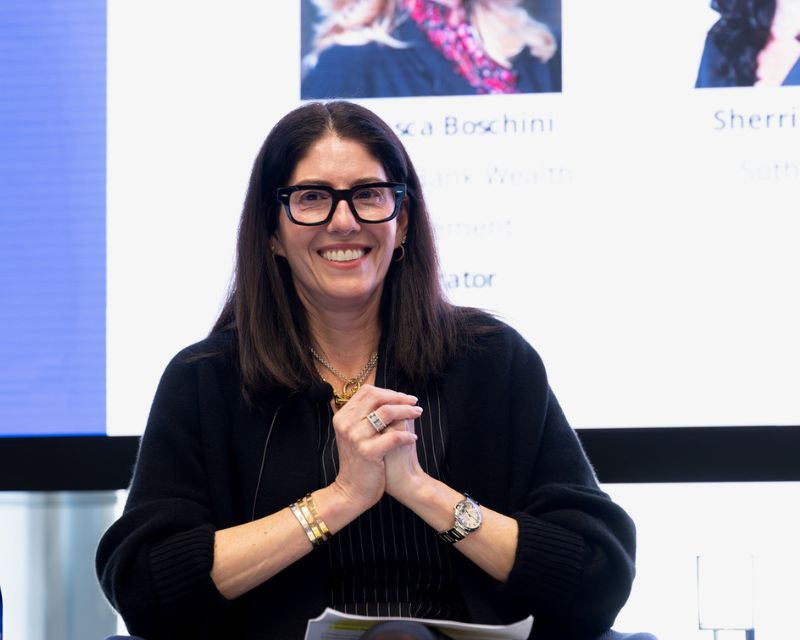
Citywealth Forum USA 2026 speaker spotlight: Sherri Cohen, Senior Vice President and Global Head of the Fiduciary Client Group, Sotheby’s
Beyond the Frame: Managing and Transitioning Major Art Collections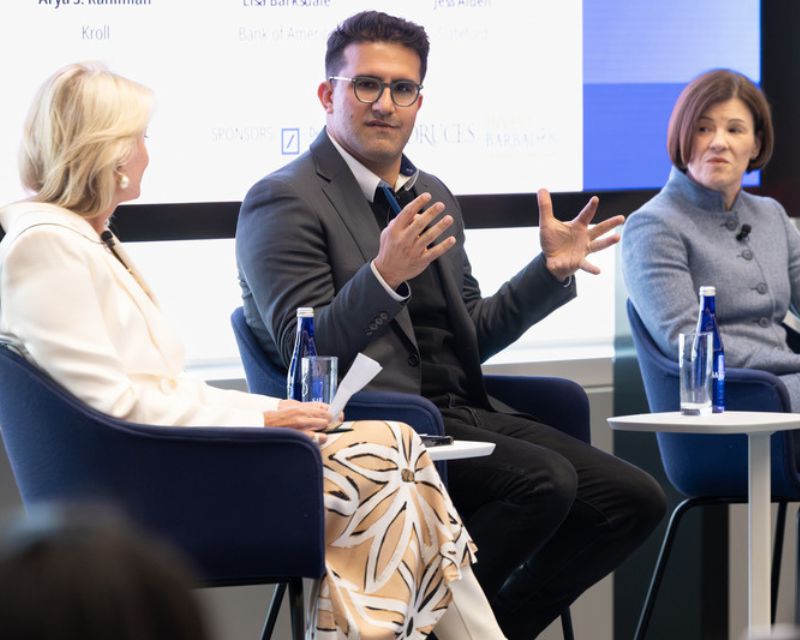
Citywealth Forum USA 2026 speaker spotlight: Arya S. Rahimian, Managing Director, Valuation Advisory Services, Kroll, Los Angeles
The Billion-Dollar Game: Women’s Sport, Celebrity Capital & the Future of Investment