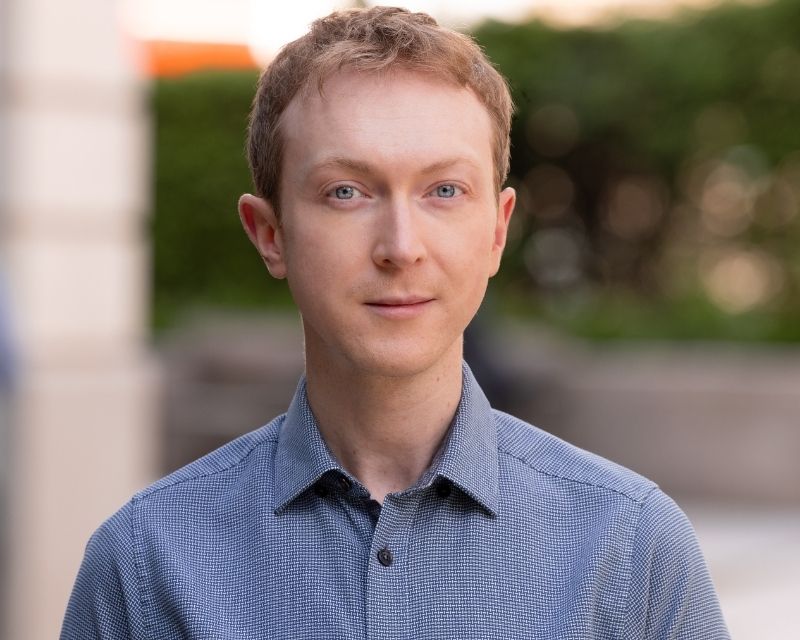
Citywealth Quick Insight Series on Wealth Trends – Paul O’Neill, Bentley Reid
This week’s Quick Insight Series on Wealth Trends is dedicated to Paul O’Neill, CIO at Bentley Reid.
What is your assessment of the current global political landscape and its impact on wealth management strategies?
The current global political landscape is creating unprecedented uncertainty—not just trade uncertainty through tariffs and their subsequent reversals, but broader geopolitical instability. We’re seeing developments across Ukraine, Russia, Venezuela, threats to Cuba, Colombia, Greenland, Canada, Iran, and involvement in Gaza. This heightened uncertainty comes at a particularly challenging time when markets are already quite expensive and highly concentrated in sectors that have performed well recently.
The impact on wealth management strategies is clear: for some clients, it means tempering equity exposure, but more broadly, it requires proper diversification across regions, sectors, styles, and asset classes.
In your opinion, how have recent policy shifts in major economies like the US, EU, China affected the long-term stability of private wealth?
I don’t believe recent policy shifts have fundamentally affected the long-term stability of private wealth itself. We’ve seen changes in the UK that encouraged some people to leave the country, followed by reversals in those positions. The need for private wealth management will always exist.
What we are seeing is an ongoing shift from active to passive investing, which we know will continue and brings benefits to clients in terms of liquidity and lower fees. These policy shifts don’t impact the long-term stability of private wealth—they simply require us to adjust how we address them in the nearer term.
As we continue to navigate uncertainty in global markets, how are wealth managers adjusting their strategies to preserve and grow clients’ wealth?
It comes back to the need to diversify more thoughtfully. We must be aware of the concentration in tech stocks in the US and be willing to diversify accordingly. We are seeing a broadening of the bull market into small caps and emerging markets. China started the year very well, as did parts of Europe.
We’re also continuing to look at the alternative space, which can deliver returns better than cash and bonds while potentially lowering overall portfolio volatility.
How important is diversification in a post-pandemic world, and which asset classes are your clients focusing on?
Diversification has become ever more important, and as we face more uncertainty and elevated markets, it continues to be crucial to diversify by asset class. We focus on equities, bonds, and alternatives, then diversify within each category.
Within alternatives, we hold catastrophe bonds, which are highly uncorrelated with major indices because they’re driven by weather-related data rather than economic data. We also use gold as an inflation hedge and uncertainty hedge—it’s also benefiting from a shift away from the US dollar. Trend funds provide exposure to commodities and can potentially benefit from any prolonged market downturn.
Sustainability investing has gained traction over the past few years. How are you seeing it affect the portfolios of high-net-worth individuals, and is this trend sustainable?
Sustainability investing gained significant traction a few years ago, but the past two to three years have been very challenging. There was too much euphoria, too many new funds, elements of greenwashing, and such a large, diversified market that investors could be in sustainability but in the wrong areas.
However, over the last six to nine months, we’ve seen sustained demand for sustainability from private clients and high-net-worth individuals. We believe this trend is sustainable—it’s a problem that won’t go away. It’s top of private clients’ agendas, particularly among younger generations who are more concerned and seeing the consequences of previous policies and lackadaisical attitudes. There’s increasing understanding of different sustainability segments, and we think there are significant opportunities going forward.
What are the emerging risks and opportunities that wealth managers should be most aware of?
The emerging risk is an elevated market with a high degree of concentration by country, sector, and individual stock. We arguably haven’t seen this level of concentration for a very long time, if ever. This presents a significant risk if things change, which could happen very quickly.
Another risk is that too much passive investing could lead to increased sell-offs during downturns due to the liquidity and trend-following nature of passive strategies, causing people to sell very quickly.
As for opportunities, I’d point to sustainability, which has suffered recently, and other areas of the alternative space. I’d caveat this by saying we only look for liquid alternatives with reasonably cheap fees. We’re not fans of private credit opportunities, which are opaque, expensive, and probably contain a lot of poor-quality assets that we think will hurt private clients over time.
How have the needs and expectations of private clients evolved in recent months? Are there any new priorities or concerns they are expressing?
Not hugely, to be honest. Most, if not all, of our clients are very happy because markets have performed very well over the last couple of years, so we receive fewer calls during these periods.
However, clients do want to be kept updated on risk issues—whether they should increase or decrease exposure to the AI sector, for example. Geopolitics is something they want to discuss and understand in terms of potential portfolio impacts.
In what ways are clients seeking more personalised wealth management services, and how are you meeting those needs?
We’ve always provided a very personalised service, so this isn’t new to us. Personalisation might involve how clients get exposure to the market. For example, we have a global index mandate where weightings within regions can be specific to individual clients—it wouldn’t just be an MSCI World passive index. It might be 50% US, 30% Europe, 20% rest of world, and we can tailor this according to client wishes.
Fees are a key priority, and we’ve always been passionate about keeping them down, which is why we have far higher passive exposure than the majority—if not all—of our peers.
Communication is also crucial. Clients want more information but don’t always want to call us. We ensure they receive emails and updates to their portal, where they can access information and go as deep as they want into any of our holdings and our rationale for them.
With the rise of digital, how are private clients responding to this?
Clients want access to information at their own convenience rather than waiting to reach a wealth manager or relationship manager for a conversation. We have a portal where they can log on to see exactly where their portfolio stands, which holdings have moved and why, and access the research behind our investment decisions. We’ve had this capability for the last couple of years, it’s been very well received, and we believe we’re at the forefront of what the market is doing. Client feedback has been very positive indeed.
Are there any new technologies or platforms that are making a significant impact on how private wealth is managed or delivered?
Not hugely at the moment. Active ETFs are making headway in Europe, though we’re not typically investing in them currently. We do have a digital asset fund, which has performed well over the last couple of years, but it’s only for qualified clients, and it’s very volatile.
It will be interesting to see how blockchain impacts things over the next decade—for example, in real estate, whether properties can be divided into very small units that clients can hold individually, whether intermediaries can be eliminated from the process, and the transparency improvements around holdings, fees, and everything else. Other than that, I don’t think there are major changes happening right now that are drastically altering the landscape.
Subscribe to the Citywealth Weekly Newsletter to learn more about Private Wealth Management.
Read more:
60 seconds: Kevin Andrews, Bentley Reid
Bentley Reid announces two senior appointments
Citywealth Weekly: 14th January 2026
Citywealth Future Leaders Awards 2025 – Winners’ Tribute
Future Leaders Awards 2025 | Citywealth Awards Results. Future Leaders Awards results
Selena Ludick joins Bindmans as new head of Family Law team

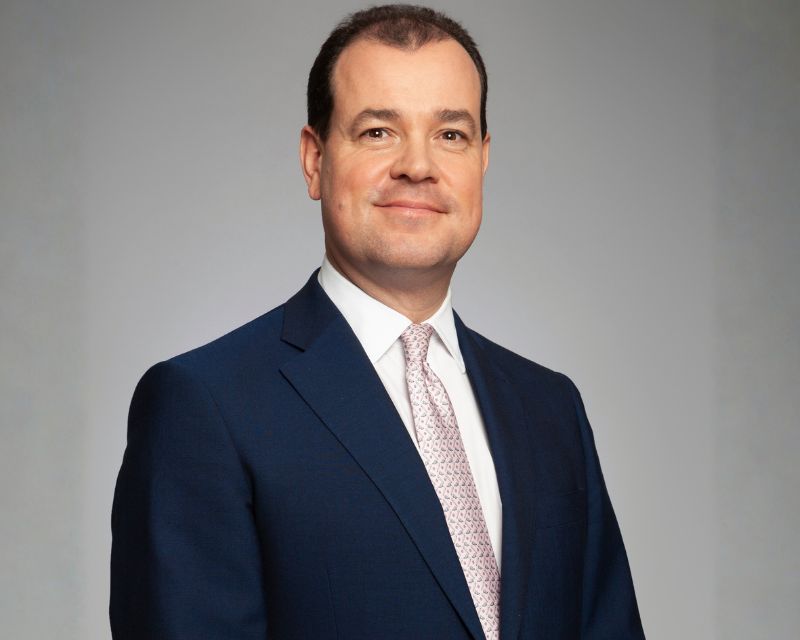
Citywealth Quick Insight Series on Wealth Trends – Duncan MacIntyre, Lombard Odier
This week’s Quick Insight Series on Wealth Trends is dedicated to Duncan MacIntyre, UK Region Head at Lombard Odier.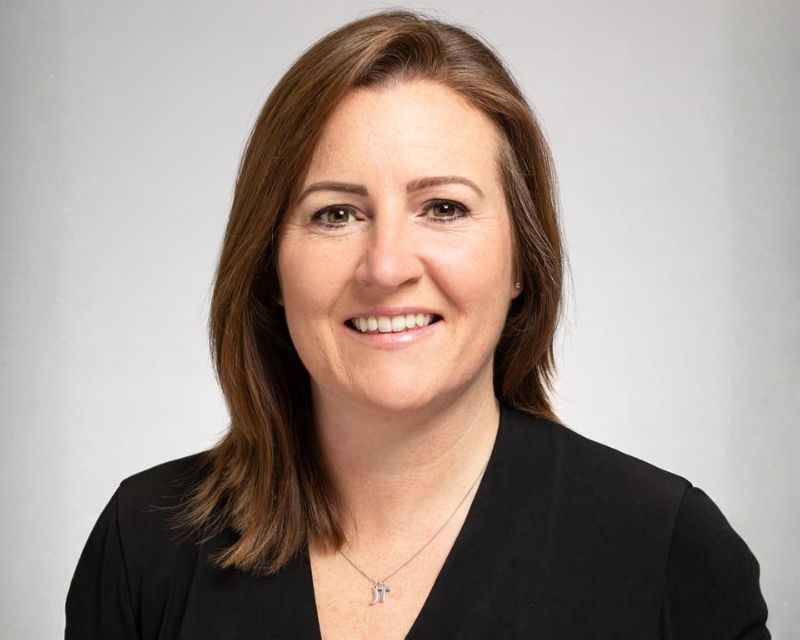
Citywealth Quick Insight Series on Wealth Trends – Michelle White, Rathbones Group
This week’s Quick Insight Series on Wealth Trends is dedicated to Michelle White, Private Office Lead at Rathbones Group.