


Citywealth Quick Insight Series on Wealth Trends – Michelle White, Rathbones Group
This week’s Quick Insight Series on Wealth Trends is dedicated to Michelle White, Head of Private Office at Rathbones Group.
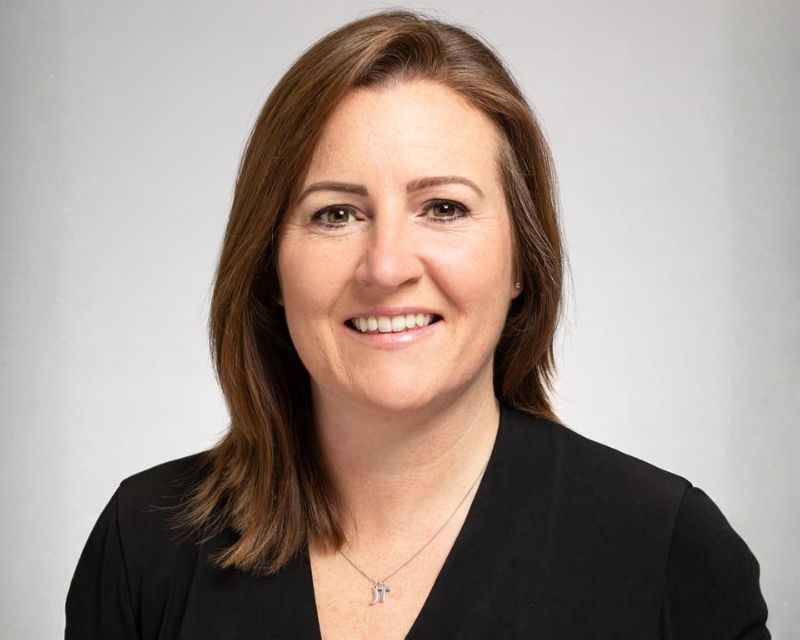
What is your assessment of the current global political landscape and its impact on wealth management strategies?
A Labour government traditionally poses challenges for high-net-worth individuals and the current situation is no different, though pressure has intensified due to the state of public finances. The Chancellor faces significant pressure to balance the books in a way that aligns with Labour priorities, often by targeting the highest earners and wealthiest individuals.
While most clients accept paying their fair share, they become concerned when they feel unfairly singled out. This is where guidance from Strategic Wealth Advisors becomes invaluable. Our role is to help preserve hard-earned wealth so that it can benefit multiple generations, safeguarding the legacy created through years of effort and success.
In your opinion, how have recent policy shifts in major economies like the US, EU, and China affected the long-term stability of private wealth?
One notable trend is the democratisation of private assets. Demand for these assets has grown as investors seek higher long-term returns and are willing to accept some illiquidity to achieve them.
Previously, access was limited to funds with 10–12-year lock-up periods. Today, evolving legislation and product innovation, such as evergreen funds, are making these opportunities more accessible.
As we continue to navigate uncertainty in global markets, how are wealth managers adjusting their strategies to preserve and grow clients’ wealth?
It often feels like we are in the most unstable environment ever, though that’s largely recency bias. History reminds us that volatility is constant: from the dot-com crash and zero-interest-rate era to the Iraq war, subprime crisis, Greek default, political shocks, and COVID. Stability has rarely been the norm.
The best advice remains diversification. Asset allocation drives more than 90% of returns and is the cornerstone of long-term success. While maintaining exposure to growth sectors, we advise caution around concentrated positions, such as the “Magnificent Seven”, and rely on insights from our Research team to guide sector and company selection.
How important is diversification in a post-pandemic world, and which asset classes are your clients focusing on?
Diversification is critical. Covid reinforced the value of high-quality companies that can withstand any storm. Equities remain the primary focus for long-term investors seeking real returns after inflation, complemented by a disciplined approach to asset allocation.
Sustainability investing has gained traction over the past few years. How are you seeing it affect the portfolios of high-net-worth individuals, and is this trend sustainable?
Demand among private clients remains limited, but we continue to offer options through Greenbank, our specialist sustainable investment team. For those who want to align their wealth with their values, Greenbank provides proven ESG expertise and solutions without compromising long-term performance.
What are the emerging risks and opportunities that wealth managers should be most aware of?
Wealth managers face a rapidly evolving landscape shaped by three major forces. Geopolitical uncertainty and shifting policy frameworks continue to create volatility, with tax changes and regulatory developments, such as sustainability disclosure requirements and Consumer Duty, demanding greater transparency and robust governance.
Technology is another key shift. Artificial intelligence is transforming research and operational efficiency, but it also introduces new challenges around compliance and cyber security that firms must address proactively.
Finally, opportunities remain in structural growth areas. Private assets and energy transition funds are attracting long-term capital, while responsible investment continues to mature under stricter anti-greenwashing standards. Navigating these dynamics requires a balance of risk management and forward-looking strategy to protect and grow client wealth.
How have the needs and expectations of private clients evolved in recent months? Are there any new priorities or concerns they are expressing?
The upcoming Autumn Statement is the single biggest concern for UK taxpayers. Our mission has always been to help clients manage the two greatest threats to wealth – taxation and inflation – starting with financial planning before moving to investments. The looming Budget has sharpened focus on wealth preservation and legacy planning.
In what ways are clients seeking more personalized wealth management services, and how are you meeting those needs?
While our clients share common traits – successful wealth creation and a desire for professional guidance – they each have unique goals and concerns. We take time to understand these before designing tailored solutions. By combining our three pillars of Financial Planning, Investment Management and Banking services, we create bespoke arrangements that simplify clients’ lives and position us as trusted advisors, often acting as the “glue” between their wealth managers, tax advisors, and lawyers.
With the rise of digital, how are private clients responding to this?
Clients increasingly expect seamless access to their financial information, ideally through a single portal that consolidates all their affairs.
Are there any new technologies or platforms that are making a significant impact on how private wealth is managed or delivered?
AI is transforming our industry, just as it is disrupting others. It’s driving efficiencies in compliance, reporting, and client servicing, while enhancing research and investment processes. Perhaps inversely, but more importantly, AI highlights the immense value in human engagement and close relationships, which will always be at the heart of what we do.
Rathbones’ Citywealth Leaders List profile
Key Takeaways
- Michelle White from Rathbones Group discusses challenges for high-net-worth individuals under a Labour government, emphasizing the need for strategic wealth advice.
- Recent policy shifts in major economies democratise access to private assets, driving demand for long-term returns despite prior restrictions.
- Wealth managers focus on diversification as the key strategy in volatile markets, while equities remain central to long-term investments.
- Sustainability investing is gaining traction, with options available for clients aligned with ESG values, though demand is still limited.
- Clients increasingly seek personalised wealth management services, expecting seamless digital access to their financial information.
Subscribe to the Citywealth Weekly Newsletter to learn more about Private Wealth Management.
Read more:
60 seconds – Richard Cook, Rathbones Group
Rathbones reports surge in IHT queries
Rathbones appoints Simonetta Rigo as Chief Client Officer
Rathbones announces combination: Investec Wealth & Investment
Leader List Interview: 60 seconds with Matt Crossman, Rathbones | Citywealth News
Louise Willows Willows Marketing: A Career Journey | Citywealth News
60-second interview: Jonathan Giles, managing director, Rathbones | Citywealth News

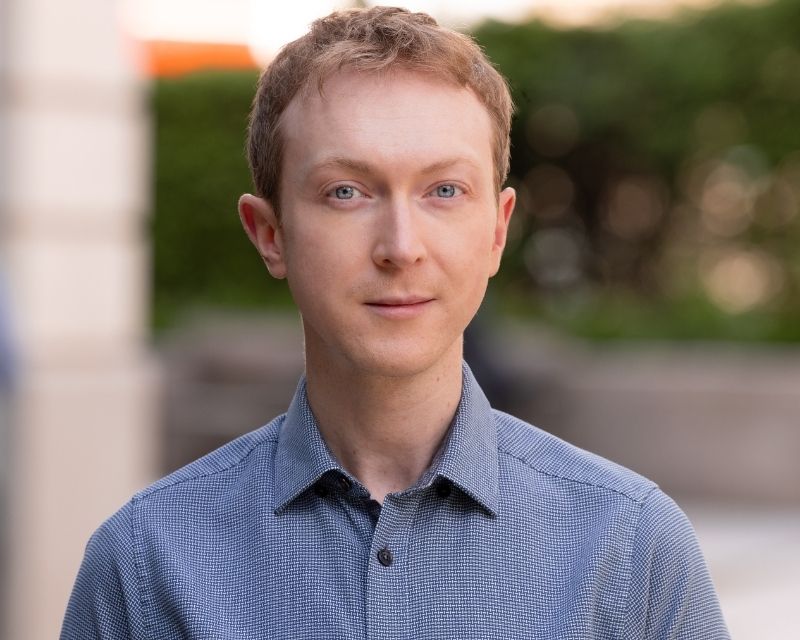
Citywealth Quick Insight Series on Divorce Trends – Alexander Breedon, Withers
This week’s Quick Insight Series on Divorce Trends is dedicated to Alexander Breedon, Partner in the Divorce and Family at Withers.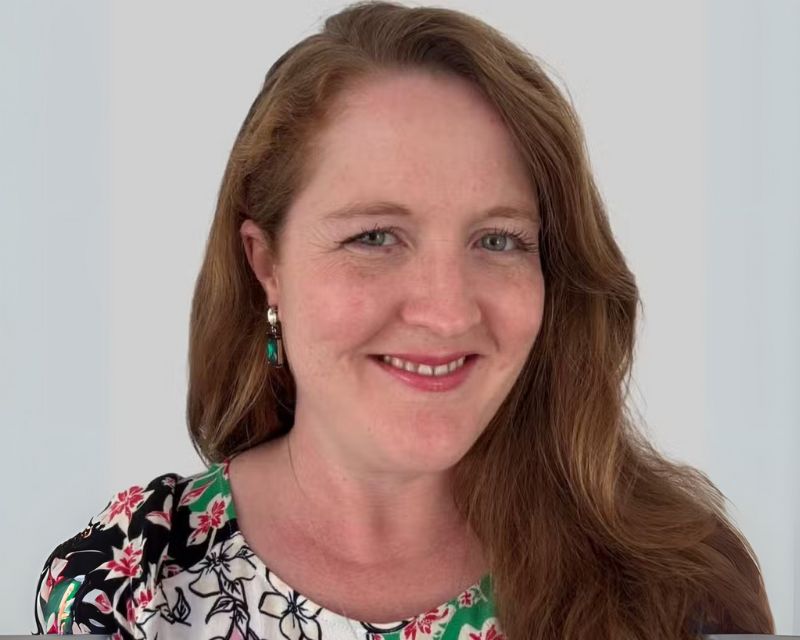
Citywealth Quick Insight Series on Divorce Trends – Kate Stovold, The International Family Law Group
This week’s Quick Insight Series on Divorce Trends is dedicated to Kate Stovold, Partner and Mediator at The International Family Law Group.