Citywealth Quick Insight Series on Wealth Trends – Nigel Green, deVere Group
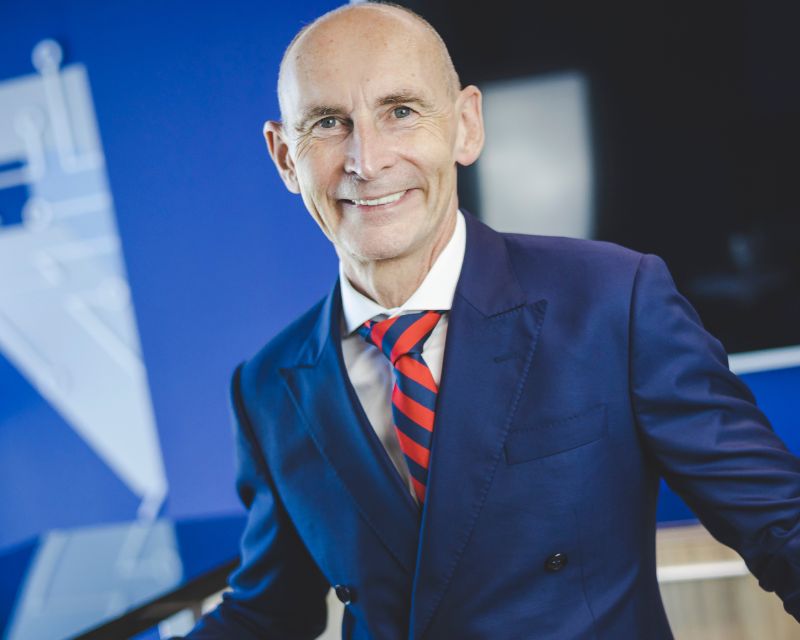
This week’s Quick Insight Series on Wealth Trends – Nigel Green, CEO of deVere Group.
What is your assessment of the current global political landscape and its impact on wealth management strategies?
Politics now moves markets faster than fundamentals. A policy threat, a trade comment, or a geopolitical act can reprice currencies and risk assets inside a single session. This has changed the job of wealth management.
The central issue is no longer whether policy is right or wrong, but whether it’s predictable. When credibility wobbles, capital reacts immediately. This means portfolios must be built to absorb sudden shocks rather than assume gradual adjustment. Liquidity, jurisdiction exposure, and currency risk have moved from secondary considerations to front-line portfolio decisions.
In your opinion, how have recent policy shifts in major economies like the US, EU, and China affected the long-term stability of private wealth?
In the US, private wealth is dealing with confidence erosion rather than a lack of opportunity. Repeated fiscal standoffs and aggressive trade signalling have pushed investors to question reliability.
This shows up most clearly in the dollar, where diversification away from single-currency dependence has accelerated.
Europe benefits when it appears steadier by comparison. It still carries structural challenges, but relative stability attracts capital when investors reassess risk concentration elsewhere.
China’s impact is felt less through headline growth and more through trade and supply-chain policy. Strategic priorities around self-sufficiency and security shape global pricing decisions. Investors remain engaged, but exposure is more selective and more tightly controlled than before.
As uncertainty persists in global markets, how are wealth managers adjusting their strategies to preserve and grow clients’ wealth?
The distinction between defence and growth has blurred. Wealth managers are no longer sequencing preservation first and growth later. Both are being addressed at the same time.
On the defensive side, leverage tolerance is lower, liquidity assumptions are stricter, and currency exposure is actively managed.
On the growth side, capital is being allocated to assets with pricing power, diversified revenue streams, and resilience across political regimes. Stress testing has become more realistic, combining rates, currencies, and geopolitics rather than treating them as separate risks.
How important is diversification in a post-pandemic world, and which asset classes are your clients focusing on?
Diversification is now the price of staying invested when volatility spikes. Concentration risk is harder to justify when currencies can move sharply on political messaging and correlations rise under stress.
Clients are focusing on real assets, high-quality income, and selective alternatives. Gold remains relevant as a hedge against policy and currency risk. Fixed income has regained credibility where yields compensate properly for duration. Digital assets are increasingly discussed as part of long-term allocation, not as speculative trades, and sized accordingly.
Sustainability investing has gained traction over recent years. How are you seeing it affect high-net-worth portfolios, and is this trend sustainable?
Sustainability has shifted from values-driven screening to risk analysis. Investors are focusing on regulation, energy security, insurance costs, litigation exposure, and supply-chain resilience. Superficial branding has lost credibility quickly.
The direction holds because markets now price environmental and regulatory risk more consistently. The terminology will evolve and standards will tighten, but sustainability considerations are becoming embedded in how portfolios are constructed rather than treated as a separate theme.
What are the emerging risks and opportunities that wealth managers should be most aware of?
Currency credibility is a major risk. Large, coordinated FX moves signal shifts in confidence rather than short-term speculation. Rate regime changes also matter, particularly when long-dated sovereign yields reprice in ways that affect global discount rates.
Energy geopolitics remains a pressure point, as supply disruption risk feeds inflation expectations rapidly and spills across asset classes.
Opportunities sit alongside those risks. Companies and markets with genuine geographic diversification, strong balance sheets, and pricing power continue to attract capital. Scarce assets, including digital scarcity, remain part of the conversation as debt and fiscal policy raise long-term questions.
How have the needs and expectations of private clients evolved in recent months?
Clients are more direct and less tolerant of generic commentary. They want clarity on downside scenarios, liquidity access, and how portfolios behave during sharp market moves.
There is less interest in broad forecasts and more focus on process: how decisions are made, how risk is monitored, and how quickly portfolios can be adjusted when conditions change.
In what ways are clients seeking more personalized wealth management services, and how are you meeting those needs?
Personalisation now starts with the client’s real exposure. Business risk, currency income, residency, and liquidity timelines shape portfolio construction.
Mandates are being designed around these realities rather than retrofitted later. Portfolios are then tested against the scenarios markets are actively punishing: policy reversals, tariff escalation, and rate shocks. The emphasis is on clarity of decision-making, not product complexity.
With the rise of digital, how are private clients responding?
Digital capability is expected. Clients want real-time visibility, secure communication, and efficient execution as standard. Digital assets are being approached more carefully. Conversations focus on custody, volatility, correlation, and governance rather than enthusiasm. Clients separate operational digital tools from portfolio exposure and apply different risk standards to each.
Are there any new technologies or platforms making a significant impact on how private wealth is managed or delivered?
Secure mobile platforms that improve onboarding, reporting, and client communication have materially improved service delivery. They reduce friction and increase transparency, which matters during volatile periods.
At the portfolio level, the institutionalisation of digital assets is changing how exposure is modelled and reported. The shift toward structured allocation has altered how advisers think about sizing, custody, and long-term integration within diversified portfolios.
Subscribe to the Citywealth Weekly Newsletter to learn more about Private Wealth Management.
Read more:
Italy’s Crypto Tax Hike to 33% in 2026: Implications for UHNW Portfolios
Top 50 Crypto Professionals 2025
Top 10 Crypto – Sean Kiernan, Greengage & Co
Interoperability and Consolidation in a Shifting Crypto Landscape
Top 10 Crypto – Ben Lee, Andersen Tax
Top 10 Crypto – Henrik Andersson, Apollo Crypto


Citywealth Quick Insight Series on Crypto & Digital Asset Trends – Daniel Masters, CoinShares
This week’s Quick Insight Series on Crypto & Digital Asset Trends – Daniel Masters, Executive Chairman, CoinShares, Europe's largest and longest-standing digital asset investment firm.
Citywealth Quick Insight Series on Italian Divorce and Family Law Trends – Alessandro Gravante, Giambrone & Partners
This week’s Quick Insight Series on Italian Divorce and Family Law Trends – Alessandro Gravante, Senior Partner at Giambrone & Partners.