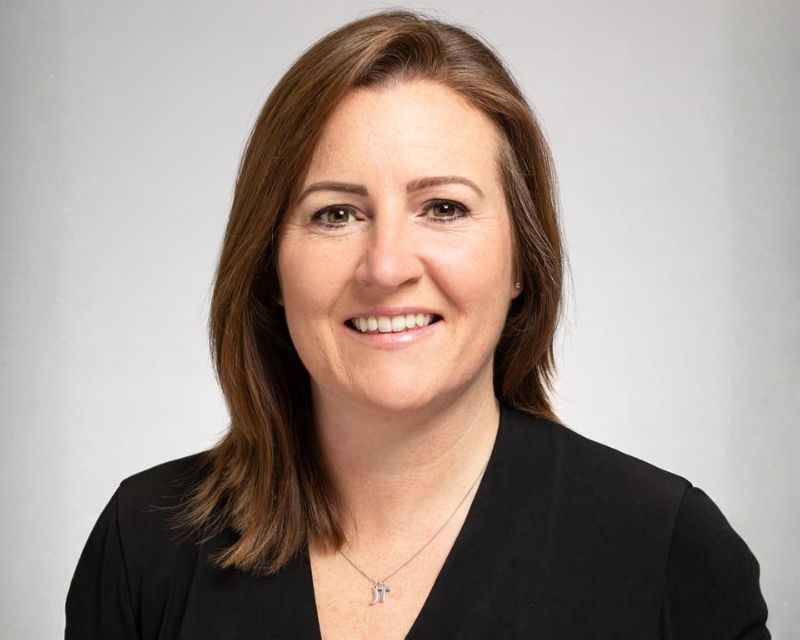
Citywealth Quick Insight Series on Wealth Trends – Api Jeyarajah, Nedgroup Investments
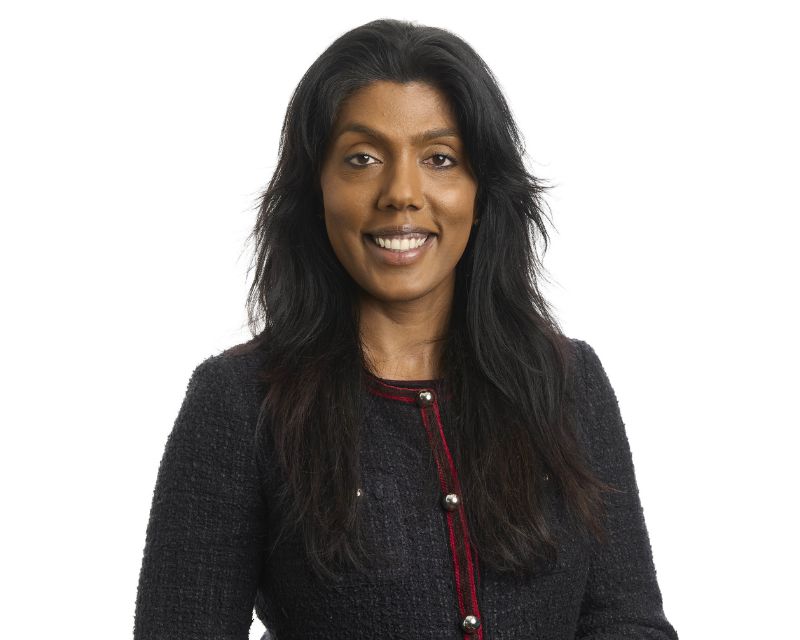
This week’s Quick Insight Series on Wealth Trends is dedicated to Api Jeyarajah, CCO of Nedgroup Investments.
What is your assessment of the current global political landscape and its impact on wealth management strategies?
The global political landscape is increasingly consequential for private wealth managers. Populism, trade fragmentation and a more transactional “America First” stance in Washington are reshaping capital flows, regulation and tax debates are just a few topics.
With the landscape moving so fast, it is incredibly hard to make all the right political calls. And yet we still need to ensure portfolio resilience. This means building globally diversified portfolios capable of withstanding policy shocks in any one region, stress‑testing for fatter‑tailed scenarios and favouring balance sheets and business models that can cope with higher funding costs or trade frictions.
It also means reviewing allocations between active and passive. Ask whether you have the right expertise in the portfolio to navigate the current market condition, which is very different to the ones in the recent past. From a distribution and client relationship standpoint, it also requires a nuanced, more localized understanding of clients. Additionally, having the right communication plan in place with clients, with increased uncertainty and more touchpoints, will be crucial.
In your opinion, how have recent policy shifts in major economies like the US, EU China affected the long-term stability of private wealth?
Recent policy shifts have added complexity to long‑term wealth planning, but not eliminated the case for patient, compounding strategies.
These cross‑currents mean greater dispersion between winners and losers across sectors and geographies, more policy‑driven volatility and higher uncertainty around future tax burdens. Structurally, though, clients with diversified global portfolios, sensible use of tax wrappers and robust estate‑planning structures remain well placed. The emphasis is shifting from “set and forget” allocations and to deep dive into whether you have the right expertise in the portfolio to navigate the market conditions.
As we continue to navigate uncertainty in global markets, how are wealth managers adjusting their strategies to preserve and grow clients’ wealth?
Wealth managers are responding to uncertainty by elevating three things: experience, active-passive balance and valuation discipline.
First, clients are leaning more on managers who have invested through multiple cycles – including inflation shocks, rate‑hiking regimes and liquidity crunches – because pattern recognition and judgement matter most when the data is noisy. These teams are typically tightening risk management, stress‑testing portfolios and being more deliberate about where they are paid to take risk.
Second, there is a more thoughtful conversation about where passive and active fit. Passive remains a cost‑effective way to access very efficient markets, but in volatile regimes it also hard‑wires exposure to crowded trades and the most expensive parts of the index. Managers are using passive for beta in liquid, transparent segments, while reserving active risk for areas where dispersion, complexity or structural change create mispricing.
Finally, a valuation‑driven mindset is back at the centre. Rather than chasing what has worked, experienced managers are willing to rebalance into unloved assets/companies where fundamentals remain sound, extend holding periods and accept that future returns will be driven more by entry price and cash‑flow durability than by multiple expansion.
How important is diversification in a post-pandemic world, and which asset classes are your clients focusing on?
Diversification has become less about box‑ticking and more about building genuine resilience into portfolios. In a world of recurring shocks – from pandemics and wars to policy swings – clients want to know that no single narrative, sector or region can derail their long‑term plan. That means diversifying by source of return (growth, income, inflation protection, defensiveness), by liquidity profile and by the type of risk being taken, not just by headline asset class or geography.
Within that framework, we are seeing clients cluster around three broad areas rather than a long list of line‑items. First, high‑quality core holdings that can compound through cycles – typically stronger balance‑sheet companies and sovereign or investment‑grade issuers. Second, genuinely diversifying “shock absorbers”, such as strategies that behave differently in stress, or assets with contractual or inflation‑linked cashflows. Third, a measured allocation to forward‑looking themes – for example energy transition or digital infrastructure – sized so they can contribute meaningfully without dominating overall risk. The emphasis throughout is on how these building blocks interact, so the whole portfolio is more robust than the sum of its parts.
Sustainability investing has gained traction over the past few years. How are you seeing it affect the portfolios of high-net-worth individuals, and is this trend sustainable?
For most high‑net‑worth clients, sustainability is no longer a side‑bar allocation; it is increasingly embedded into the core investment process. Managers are factoring climate, resource and social risks into fundamental analysis, using them alongside traditional metrics to assess business quality, resilience and valuation across asset classes. That means the “default” portfolio today is more likely to avoid the worst offenders, favour companies with credible transition plans, and reflect evolving regulation rather than treating ESG as a bolt‑on screen.
On top of that integration, many clients are choosing to express specific transition themes more explicitly. Popular areas include electrification (from electric vehicles to charging networks and enabling semiconductors), renewable energy, grid and storage infrastructure, energy efficiency, and circular‑economy solutions. These are sized so they sit within a diversified, valuation‑aware framework rather than as binary bets.
Is the trend sustainable? Yes – because it is underpinned by regulation, technology and capital‑spending needs, not just sentiment: governments and corporates are committing trillions to decarbonisation, adaptation and resource efficiency over the coming decades, creating a long runway of investable opportunities across listed and private markets
What are the emerging risks and opportunities that wealth managers should be most aware of?
Where passives play in portfolio The risk landscape for private wealth is broadening. Beyond the familiar macro risks of inflation, growth slowdowns and policy error, clients now face more frequent geopolitical shocks, from great‑power competition to regional conflicts and sanctions regimes that can impair specific assets or counterparties. Regulatory and tax uncertainty is also rising, with governments under pressure to fund higher defence, healthcare and transition spending, often by revisiting wealth, inheritance and capital‑gains regimes.
Technology adds both risk and opportunity. Cybersecurity and data‑privacy threats are front‑of‑mind for wealthy families and their structures, while AI‑driven business disruption can rapidly reprice sectors and individual companies. On the opportunity side, capital is flowing towards real‑asset backbones of the new economy – power grids, digital infrastructure, critical minerals and resilient supply chains – where long‑term contracted revenues can underpin attractive risk‑adjusted returns. For a multi‑boutique platform, selective access to these specialist areas, combined with strong operational due diligence and structuring, is critical.
How have the needs and expectations of private clients evolved in recent months? Are there any new priorities or concerns they are expressing?
Private clients’ needs have evolved noticeably recently. Volatile markets and an intense news cycle have shifted the conversation from headline performance to overall financial security: “Will my plan still work if politics or policy go wrong?” Clients want clearer visibility on downside scenarios, liquidity under stress and the robustness of cashflow planning, particularly around retirement, business exits and inter‑generational transfers.
Finally, expectations on communication have risen: clients want concise, jargon‑free insight on how macro and political developments translate into portfolio decisions, not just periodic valuation reports. Firms that can deliver that clarity – while remaining calm in the noise – are earning deeper trust.
In what ways are clients seeking more personalised wealth management services, and how are you meeting those needs?
Demand for genuinely personalised wealth management has accelerated. High‑net‑worth individuals now expect more than a model portfolio tweaked for risk tolerance; they want strategies that are anchored in their specific goals, timelines, values and constraints. That includes tailoring for concentrated business or property holdings, complex cross‑border tax positions, and family‑specific governance arrangements.
Wealth managers are responding on two fronts. First, through deeper discovery – investing more time in understanding family dynamics, succession priorities and potential points of conflict. Second, through technology and the use of data and analytics to segment not just by wealth band, but by behaviours, preferences and life events, then delivering appropriately tailored content, portfolio solutions and structuring ideas.
With the rise of digital, how are private clients responding to this?
Private clients have embraced digital tools, but not as a substitute for human advice. They increasingly expect intuitive portals that provide real‑time portfolio visibility, secure document exchange and seamless onboarding, alongside digital signatures and integrated reporting across banking, custody and investment accounts. The pandemic reset expectations around remote meetings, and many HNWIs now value the flexibility of video calls and secure messaging, particularly across time zones.
At the same time, wealthier families remain highly sensitive to cybersecurity and privacy. They want reassurance that their data is protected, their digital footprint is minimised and that critical instructions still involve appropriate human checks and governance. Digital is therefore best framed as an enabler: freeing advisers from administrative tasks so they can spend more time on complex judgement calls, and giving clients better tools for monitoring and decision‑making.
Are there any new technologies or platforms that are making a significant impact on how private wealth is managed or delivered?
Several technologies are reshaping how private wealth is managed and delivered. Artificial intelligence and advanced analytics are increasingly used to enhance portfolio construction, risk monitoring and idea generation, enabling more dynamic rebalancing and scenario analysis at scale. For clients, this translates into more responsive strategies and faster, data‑driven insight – provided it is grounded in strong investment governance rather than black‑box outputs.
Digital platforms and open‑architecture ecosystems are also transforming client experience. Modern wealth portals aggregate data across custodians, private assets and operating businesses, giving families a consolidated view of their balance sheet and facilitating better governance. Tokenisation and digital record‑keeping for private assets are emerging areas, promising improved liquidity and transparency over time, though still in early stages.
*This article reflects the views of Nedgroup Investments and is intended for informational purposes only. It does not constitute investment advice or a recommendation to buy or sell any financial instruments. All investments involve risk.
Subscribe to the Citywealth Weekly Newsletter to learn more about Private Wealth Management.
Read more:
FinTech: Chatbots and Artificial Intelligence | Citywealth News
Nedgroup Investments delivering on expansion plans with senior hire

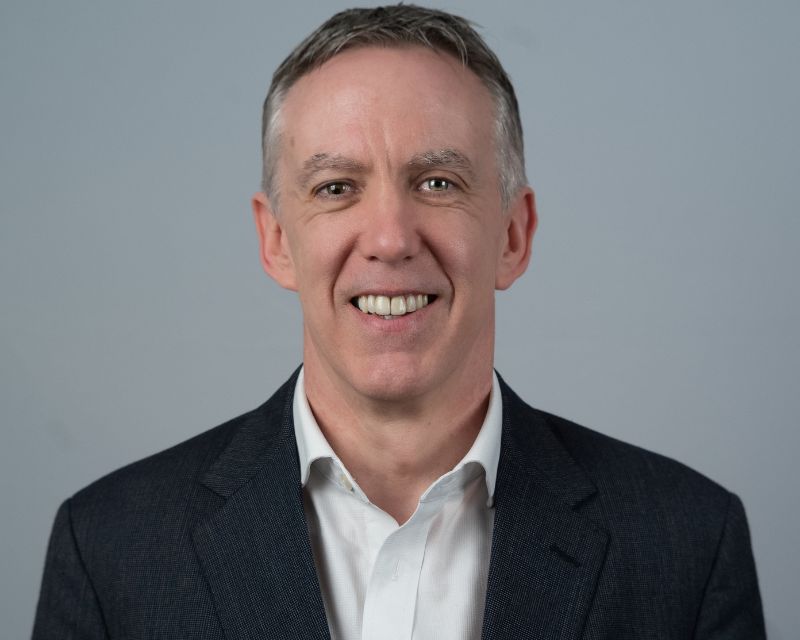
Citywealth Quick Insight Series on Wealth Trends – Paul O’Neill, Bentley Reid
This week’s Quick Insight Series on Wealth Trends is dedicated to Paul O’Neill, CIO at Bentley Reid.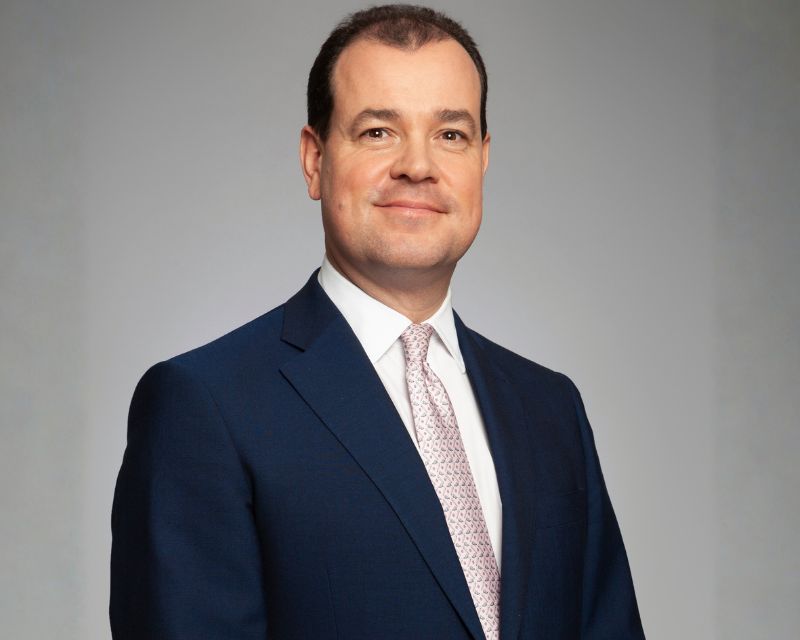
Citywealth Quick Insight Series on Wealth Trends – Duncan MacIntyre, Lombard Odier
This week’s Quick Insight Series on Wealth Trends is dedicated to Duncan MacIntyre, UK Region Head at Lombard Odier.