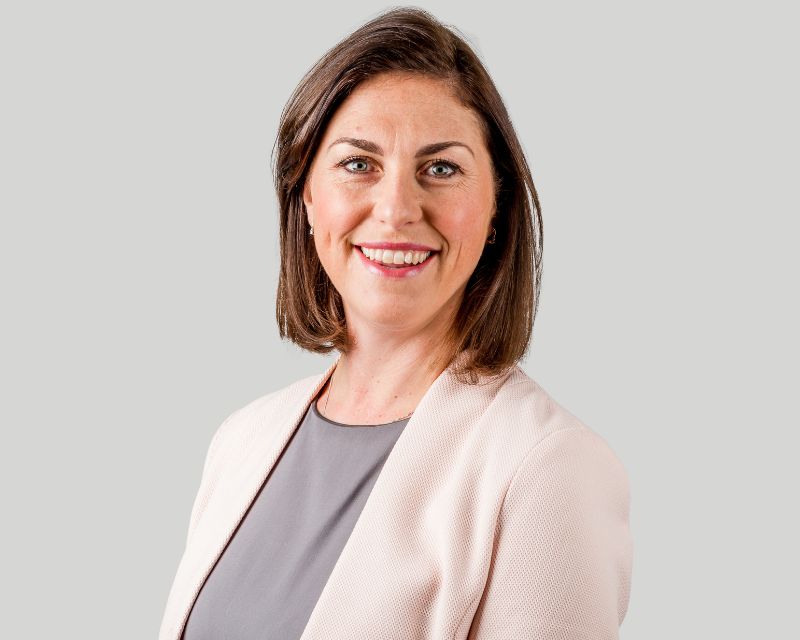
Citywealth Quick Insight Series on UHNW Family Dynamics Trends – Matthew Fleming, Corient
This week’s Citywealth Quick Insight Series on UHNW Family Dynamics Trends is dedicated to Matthew Fleming, Partner – Head of Family Governance & Succession at Corient.
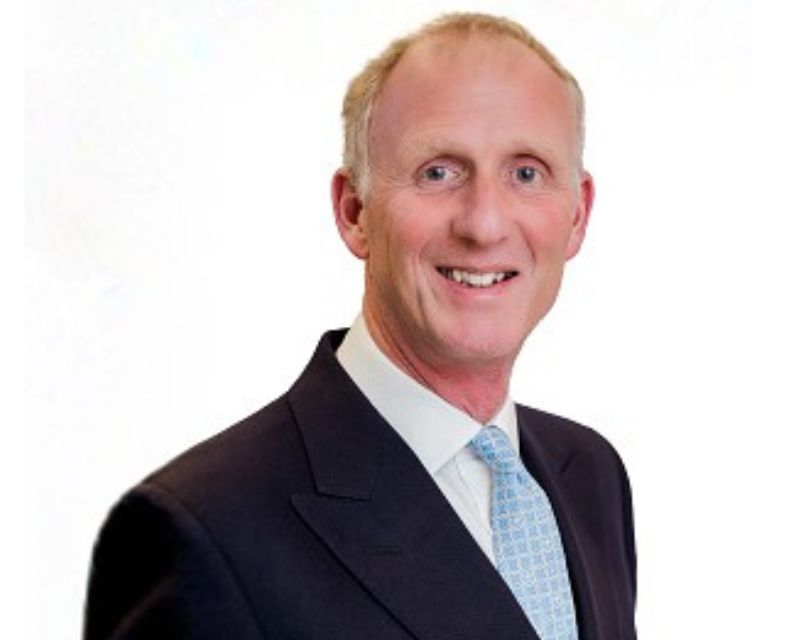
How do you manage the challenges of family dynamics when advising UHNW clients, especially across multiple generations?
The short answer is: with difficulty.
But what helps is that I’m a fifth generation member of a seventh generation family myself, so I’m not scared of raising difficult issues – and I can raise them with some authenticity, because I’ve lived many of them. I’m not coming at this from the outside.
We’ve also done a huge amount of research at Stonehage Fleming into what separates families that succeed across generations from those that don’t, so we know the questions that need to be asked. The biggest challenge, however, is usually helping families start the conversation in the first place.
In every family I’ve worked with, there has been someone (across all generations) who had something they wanted to say, or a question they wanted answered. Everyone wants to talk, they just haven’t necessarily found a way of doing so, which is where we come in.”
What role do family values play in wealth management decisions? Can you give an example where these values shaped a key decision?
“I would take a step back from values and talk about something that comes before them, which is purpose.
The most successful intergenerational families we work with have a clear sense of shared purpose. The next most successful have a purpose that is, at the very least, clearly understood. There is a difference between the two: shared purpose means family members have been involved in establishing it. Even if they don’t agree with every aspect, they feel their voices have been heard.
Once that foundation is there, values tend to follow. We find that very often, the benchmark for success is rarely about money, but about whether something has been done in a way the whole family can be proud of. The most successful families are those where values are entirely consistent: the same values that shape family life also shape how they run their businesses, and how they invest.
A good example is a family we work with whose values have always encouraged their children to be entrepreneurial and take chances. As a result, part of their portfolio is in early-stage venture capital, and they actively involve their children in those as a way of learning. For families without that mindset, we might not invest in venture at all.
You also see it in more familiar ways. Families who see themselves as responsible investors often gravitate towards a more values-based investment strategy. Those for whom philanthropy is a core value are far more likely to establish foundation, and that shapes everything.”
How do you help families communicate about wealth management and succession planning?
“I don’t think you can call yourself a family office unless you are prepared to help families address the issues that really concern them.
When we talk to families about what worries them, wealth management itself does not come especially high on the list. What comes much higher is: how do I set my family up well? Will my children be all right? How do I help them live lives that are stretching enough for them to understand the responsibilities that come with their privileges? How do we avoid family rows, and how do we repair them when they happen?
Because we know that’s what keeps families up at night, we feel a real responsibility to help them think through those issues. At Stonehage Fleming, we work across every generation: helping parents talk to children and children talk to parents, running programmes for the next generation, educating and mentoring them, and helping them think through their relationship with wealth.
Communication sits at the core of all of it. That extends to governance too, and how decisions will be made, which family members may be best suited to which roles, and, sometimes, having difficult conversations too. We don’t shy away from those conversations. If anything, helping families have them, and building the support structures around them to do so, is some of the most important work we do.”
Have you helped set up family governance structures? What are the key elements of a successful one?
“The first thing to say is that we don’t arrive with a template a tell a family what their structure should look like. We help them work out what’s right for them, based on honest reflection about who they are and how they actually function.
Equally important is that governance structures shouldn’t be imposed by one family member. The process of creating them needs to involve everyone, so they all feel like genuine stakeholders in the outcome. If someone feels they had no voice in building it, the chances of it holding together are significantly lower.
We also use our experience to help families understand what the important questions are. Because we have helped families around the world think through these issues, we know where the thorny points are and where families are likely to come unstuck.
And finally, we help families be honest about the limits of what they can fulfil themselves. Part of the process is helping families understand where non-family members can play an important and constructive role.”
How do you handle situations where younger family members have different financial goals or risk preferences than older generations?
“This is completely natural, and differing goals and risk preferences between generations aren’t a sign that something has gone wrong but simply a part of family life. Younger people will often think differently from their parents, just as their children will think differently from them.
One thing we see consistently among younger people from privileged backgrounds is that they often haven’t been exposed to failure. So part of our role is helping families understand that being in a position to take risks (and sometimes fail) is actually an important part of growth.
The greatest risk is taking no risk at all.
The skill is in creating room for failure without betting the farm. Families need to be able to flex, and to understand that people learn from mistakes. We help facilitate those conversations so that decisions are informed and risk is understood and appropriate.”
Family conflicts often arise during wealth transitions. How do you manage disagreements about wealth distribution or management?
“First of all: there should be no surprises.
Surprises are a disaster, unless they are nice ones, and a nice surprise for one person normally means an unpleasant one for another. So we encourage families to think carefully about transparency – making sure everyone understands what’s coming, why, and who will be responsible for what.
It would be a very unnatural family if they did not have disagreements at some stage.
Disagreements are inevitable and families shouldn’t shy away from them – difficult conversations often lead to better decisions. But nothing accentuates small rifts or disagreements more than money, which is a powerful amplifier of ill-feeling, mistrust, and perceived unfairness, and nothing accelerates a rift quite like it.
The only real antidote is open communication from the outset. If family members have been part of the conversation about the purpose of their wealth all along, they’re far more likely to understand and accept the decisions that follow.”
Can you share a challenging family conflict related to wealth or succession, and how you helped resolve it?
“Some of the most powerful moments in this work come from conversations that families assumed would be difficult, and turned out to be the opposite.
I’m thinking of one family where the parents were torn between their philanthropic instincts and wanting to provide generously for their children. When we helped facilitate an open conversation here, it became clear that the children felt sufficiently provided for and were entirely comfortable with their parents directing more of their wealth towards their philanthropy. The relief for those parents was significant. They realised they had raised children who were not greedy and who understood the purpose of their wealth. It was a very positive example of tension being resolved through communication.
Other situations can of course be much harder, but the common denominators of failure are almost always the same: a lack of shared purpose and lack of communication.”
How do you address differences between generations on issues like legacy, social impact, and aligning wealth with family values?
“If a family has agreed on why their wealth exists, it gives everyone a framework for decision-making. They don’t all have to agree on everything, but it helps enormously if they understand where each other is coming from.
There is an emotional dimension too. Guilt and lack of self-worth are feelings we encounter regularly in the next generation, and these often sit quietly behind much bigger disagreements.
The broader point is that families need to be having honest conversations about what success actually looks like. Children often assume success means emulating their parents, whereas parents may actually think success means finding something fulfilling and purposeful, and doing it well, whatever that may be. Those are difficult conversations, because left unspoken, misunderstanding can cause real pain.”
Can you tell us about a family that faced an unexpected crisis, like the sudden death of a family leader, and how you helped them manage the transition?
“No family, no matter how successful, is immune to crisis. I’ll use my own as an example. If you look at the Fleming family tree, you’ll find dementia, addiction, depression, divorce and early death. Success from the outside tells you nothing about what a family has navigated privately.
The role of a family office is therefore to help families prepare before those moments arrive — through good governance, good communication, and clear structures around responsibility and decision-making. In practice, when sudden change or loss does happen, the families best able to manage transition are those that have already done the work: they have thought about purpose, created governance frameworks, clarified roles, and built support networks around the family.”
How do you prepare UHNW families for the unexpected and ensure their wealth plans remain strong during times of crisis or sudden change?
“The only certainty is uncertainty. If you have children, they will face crises at some point, and that is simply part of life. No amount of wealth makes you immune.
For me, resilience has three elements. The first is resilience of character, which means the values and mindset families bring to adversity. The second is resilience within wealth, keeping assets well managed and businesses well run. The third is resilience through planning, having the right governance, the right advisers, and clear structures so that good decisions can still be made when things get difficult. Most families get one or two of those right, but the one most often neglected is the human side.
With good advice you can reduce most structural risks, but the highest-impact risks are almost always people-related: divorce, family conflict, poor leadership, weak governance. Good preparation is about making sure the family itself is resilient.”
Subscribe to the Citywealth Weekly Newsletter to learn more about Private Wealth Management.
Read more:
Citywealth website: What are people searching for? | Citywealth News | searches to Citywealth
Stanhope Capital Daniel Pinto Founder Story Unveiled | Citywealth News
Magic Circle Awards 2013 bring the private wealth worlds finest together | Citywealth News
Daniel Pinto, Stanhope Capital: Private Banking & $430bn Corient Deal
Corient Announces Global Expansion

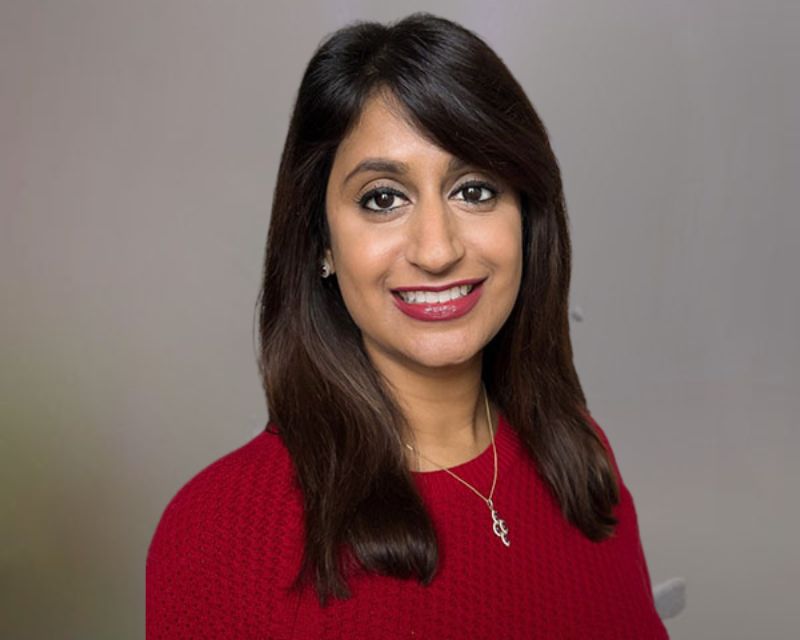
Citywealth Quick Insight Series on Divorce Trends – Shivi Rajput, Stowe Family Law
This week's Citywealth Quick Insight Series on Divorce Trends is dedicated to Shivi Rajput, Partner at Stowe Family Law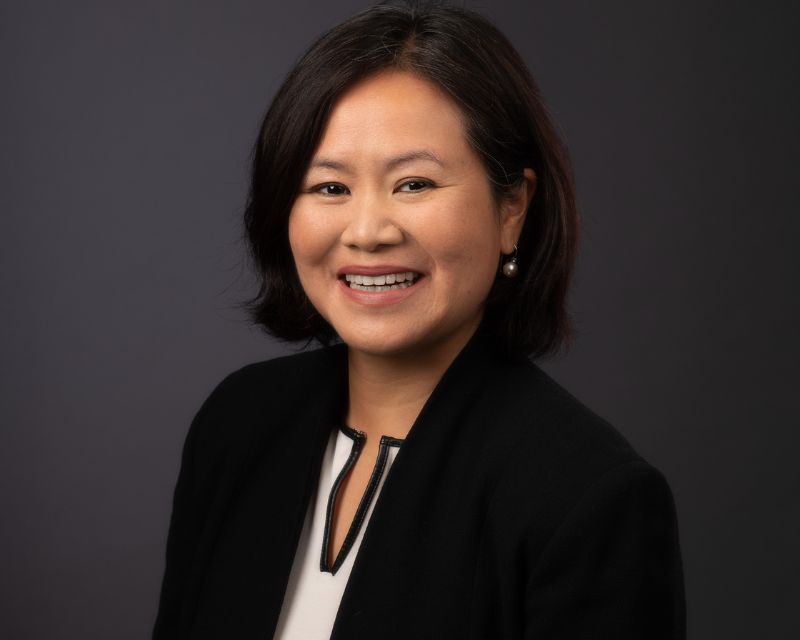
Citywealth Quick Insight Series on Sustainability Trends in Wealth Management – Jeanne Collins, KBI Global Investors
This week's Citywealth Quick Insight Series on Sustainability Trends in Wealth Management is dedicated to Jeanne Collins, Head of Responsible Investing Policy & Stewardship at KBI Global Investors.