Citywealth Quick Insight Series on Divorce Trends – Shivi Rajput, Stowe Family Law
This week’s Citywealth Quick Insight Series on Divorce Trends is dedicated to Shivi Rajput, Partner at Stowe Family Law. In ultra high net worth divorce cases, courts in England and Wales begin from the principle of equal sharing but frequently depart from equality where wealth is inherited, generated before marriage, or tied to complex business and offshore structures. Key disputes often involve valuing illiquid assets, deferred compensation, trusts, and international wealth arrangements, with courts taking a pragmatic approach focused on real control and access to resources rather than formal ownership alone. Strong pre and postnuptial agreements, careful structuring, full disclosure, and coordinated international planning are increasingly essential, while issues such as non disclosure, litigation misconduct, and jurisdiction selection can significantly influence outcomes and enforcement.

In very substantial divorces, clients often assume a strict 50/50 split. How does the sharing principle apply in big-money cases in England & Wales, and what factors most commonly lead to departures from equality?
Departures from the starting point of equality can arise where there is significant inherited wealth, pre-marital assets, family business ownership or wealth which has been generated post-separation. It is much more likely for such departures to be recognised and given effect by the court in UHNW cases, where there is more than enough money to comfortably meet both parties’ needs.
When the bulk of wealth is in illiquid holdings such as private company shares, private equity, or family businesses, what are the biggest valuation challenges and how can clients best protect their core interests?
Expert valuation can be subjective, with experts often legitimately disagreeing on liquidity discounts, future growth assumptions, tax exposure, or whether an asset can even be sold. For clients looking to protect their interests, having properly documented shareholder agreements and records and keeping a clear separation between personal and business expenditure long before any marital difficulties arise. Shadow expert advice may also become necessary.
Clients expecting future liquidity events (earn-outs, carried interest vesting, or business sales) frequently ask whether their spouse will share in money that arrives after separation. How are deferred or contingent assets handled in England & Wales, and when do courts favour Wells-style sharing orders over discounted lump sums – as seen in cases like Culligan v Culligan?
Clients are often surprised to learn that assets which crystallise after separation, including deferred bonuses or vesting shares, may still be treated as matrimonial and therefore, subject to the sharing principle. The court looks at the source of the asset to assess if it was generated during the marriage and is a product of marital endeavour. It will look closely at when the entitlement was earned (not just paid out) and whether future performance conditions remain outstanding. Under a Wells-style approach, the non-owner spouse receives a share at a future point when the asset crystallises. This is usually more appropriate where the asset is highly illiquid, or the future value is too uncertain. In contrast, the court often prefers a discounted lump sum in cases where liquidity is likely within a relatively short timeframe, the expert valuation evidence is robust and there is a strong desire to avoid ongoing financial linking of the spouses. The court has a statutory duty to consider whether a clean break can be affected.
In cases worth hundreds of millions, how much practical difference do findings of litigation conduct or non-disclosure make to the final award, and what level of evidence is typically required today – for example, in Michael v Michael (a recent sham trust case)?
Non-disclosure and litigation misconduct remain some of the most serious issues in financial remedy litigation, but allegations of this nature require substantial forensic evidence. The threshold is very high, but if it can be met, such as in Michael v Michael, the dishonest party can be faced with substantial costs orders and a punitive overall settlement.
For internationally mobile families, what advanced steps – beyond basic port alerts and mirror orders – are proving most effective in preventing or responding to threats of child relocation or retention across borders?
For internationally mobile families with multiple residences or private aviation access, speed is critical. Early preparation is often key, including obtaining coordinated immigration advice, pre-emptive mirror proceedings/orders in likely destination states, advance Hague Convention planning, securing passport arrangements, and obtaining legal advice in multiple jurisdictions. UHNW clients increasingly now prepare “crisis packs” at the first signs of concern, which include notarised documents, translated orders, school records, immigration records and pre-identified foreign counsel.
When wealth is held in layered offshore trusts, foundations, or private trust companies intended for children or future generations, how do courts distinguish between genuine third-party assets and resources accessible to a spouse – as illustrated in Charman v Charman and similar cases?
English courts are generally pragmatic rather than formalistic. Even if a spouse has no fixed entitlement, the court may still treat trust wealth as a resource available to them if there is a history or expectation of benefit. The court will consider historic distributions, family governance realities, letters of wishes and how the trustees have behaved historically in practice. The courts are much more willing to penetrate arrangements where the spouse effectively controls trustee decision-making or distributions historically tracked the spouse’s wishes.
Many clients who run family offices or control investment structures worry that past asset transfers or restructurings will be attacked in divorce proceedings. How do courts typically assess claims of economic duress or undue influence in relation to those historical arrangements?
Such allegations are assessed fact-specifically. The strongest claims usually involve an obvious relationship imbalance, the absence of independent advice, urgent or pressured execution, unexplained wealth movement shortly before or after a marital breakdown, or evidence that one spouse fundamentally misunderstood the transaction.
With increased scrutiny of prenuptial and postnuptial agreements in big-money cases, what current drafting techniques and procedural steps give these contracts the greatest weight and enforceability?
The most effective agreements deal not only with the uncertain future, but deal explicitly with future liquidity events, trusts, carried interest, family office structures and international mobility. Best practice includes:
- Very early execution timelines;
- Full and intelligent disclosure;
- Independent specialise advice in multiple jurisdictions;
- Explicit tax analysis;
- Review clauses;
- Lifestyle forecasting.
Where parties have chosen private dispute resolution – arbitration or private judicial processes – what remaining risks around enforceability, appeals, and public scrutiny do clients still tend to underestimate?
NCDR has transformed the landscape for UHNW clients by offering speed, confidentiality and specialist decision-makers. However, there are still risks to be aware of. Arbitration awards are highly persuasive and are usually upheld, but they still ultimately must be drafted into a court order and sealed.
For ultra-high-net-worth clients with international connections, how do you advise on choosing the most advantageous jurisdiction for divorce proceedings (considering differences in asset division and enforcement across countries), and what key factors tip the balance?
Forum selection is one of the most strategically important issues for globally connected families. England and Wales remains attractive in many cases due to our broad judicial discretion, robust disclosure obligations, willingness to share marital wealth and strong interim relief powers. But it may be less attractive for wealth-origin spouses protecting inherited assets or individuals concerned about expansive disclosure. The decisive question is often not “which court is most generous?” but “which jurisdiction can most effectively reach and realistically enforce against the relevant wealth structure?”
Key Takeaways
- This week’s Citywealth Quick Insight Series on Divorce Trends features Shivi Rajput from Stowe Family Law.
- In high-value divorces, factors like inherited wealth and family business ownership often lead to unequal splits.
- Valuation challenges arise with illiquid holdings, necessitating expert advice and clear documentation.
- Post-separation assets may still be considered matrimonial, impacting future liquidity events during divorce settlements.
- International families must prepare effectively to prevent child relocation issues, utilizing legal advice and crisis packs.
Shivi Rajput’s Citywealth Leaders List profile
Stowe Family Law’s Citywealth Leaders List profile
Subscribe to the Citywealth Weekly Newsletter to learn more about Private Wealth Management.
Read more:
Top 75 Family Lawyers 2025 | Citywealth Top List
Navigating cross-border family law in an increasingly borderless world | Citywealth News
Citywealth Quick Insight Series on Wealth Trends – Rachel Roberts, Stowe Law
Future Leaders Awards 2020 | Citywealth Awards Results
Navigating cross-border family law in an increasingly borderless world | Citywealth News
Citywealth Weekly: 11th March 2026
60 seconds: Shivi Rajput, Stowe Family Law


Citywealth Quick Insight Series on Sustainability Trends in Wealth Management – Jeanne Collins, KBI Global Investors
This week's Citywealth Quick Insight Series on Sustainability Trends in Wealth Management is dedicated to Jeanne Collins, Head of Responsible Investing Policy & Stewardship at KBI Global Investors.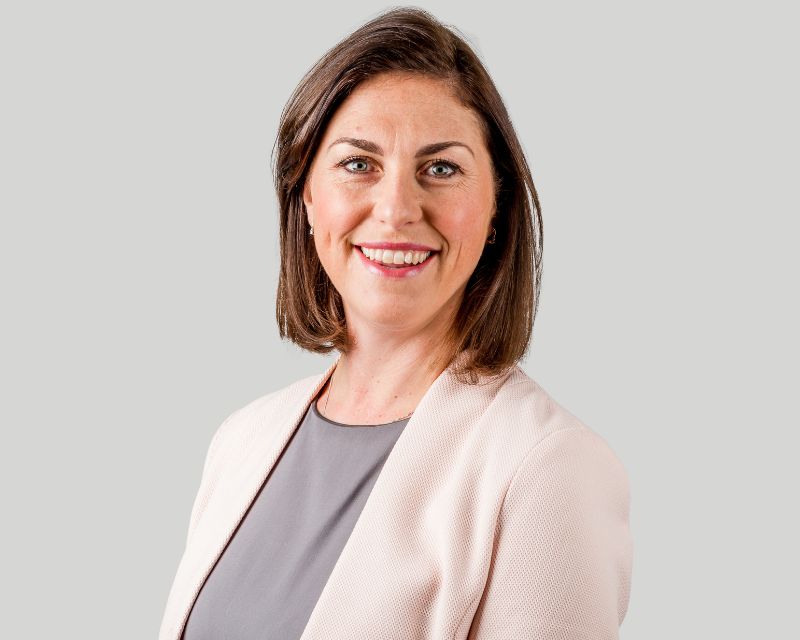
Citywealth Quick Insight Series on Philanthropy Trends – Josephine Howe, Ogier
This week's Citywealth Quick Insight Series on Sustainability Trends in Wealth Management is dedicated to Jeanne Collins, Head of Responsible Investing Policy & Stewardship at Ogier.