Citywealth Quick Insight Series on Family Office Dynamics Trends – Rachel Roberts, Stowe Family Law
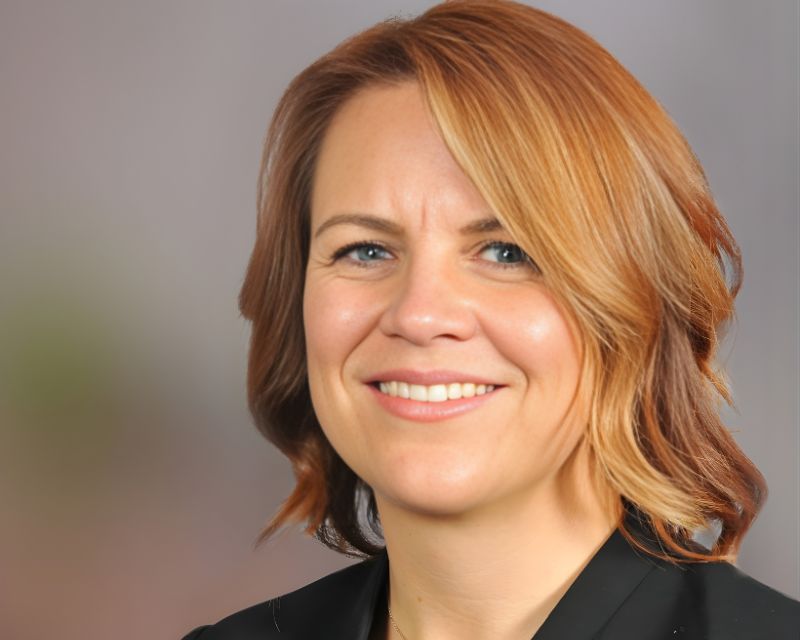
This week’s Quick Insight Series on Family Office Dynamics Trends – Rachel Roberts, UK Managing Director of Stowe Family Law.
Citywealth Quick Insight Series
Rachel Roberts is UK Managing Director at Stowe Family Law and a leading practitioner in complex divorce and financial remedy cases for high net worth individuals. With over two decades of experience, she is recognised by Legal 500 and Chambers for her pragmatic, commercial approach to complex family matters.
How do you manage the challenges of family dynamics when advising UHNW clients, especially across multiple generations?
At the UHNW level, family dynamics often come into sharp focus during moments of change, such as marriage, divorce, succession, or the introduction of the next generation. My work frequently involves advising on relationship agreements or navigating separation, where personal relationships and wealth structures intersect. The focus is on bringing clarity and structure at a time when emotions can run high, ensuring outcomes protect both the individual and the wider family over the long term. Often this will involve a multi-disciplinary approach, working with private client lawyers and tax advisors, for example. As with many things in life, prevention is often better (and far less costly) than cure, so it is usually far easier to manage these dynamics early on, through the use of nuptial agreements, for example, rather than trying to do so when emotions are running high during a separation or divorce.
What role do family values play in wealth management decisions? Can you give an example where these values shaped a key decision?
Family values are particularly important when advising on nuptial agreements or succession planning. I have worked with families where preserving wealth across generations was a priority, alongside a strong emphasis on fairness and independence. In those cases, pre- or post-nuptial agreements were structured to protect inherited assets while allowing flexibility for the future, reflecting both the family’s values and the realities of modern relationships.
How do you help families communicate about wealth management and succession planning?
Many families still address these issues only when a relationship breaks down or a dispute arises, although the growing use of prenuptial agreements suggests this is changing. I encourage earlier, more open conversations, particularly before marriage or remarriage, so expectations are clear from the outset. Transparent communication reduces the likelihood of disputes and can help preserve family relationships during periods of change.
Have you helped set up family governance structures? What are the key elements of a successful one?
Family governance structures are typically established by private wealth advisers, trustees and family offices, with input from tax and corporate specialists. My role is to advise alongside them, particularly where family relationships change and those structures are tested.
From a family law perspective, governance is most effective when it is clear, well-documented and regularly reviewed. Defined decision-making processes, clarity around control and succession, and mechanisms for resolving disputes are essential. Crucially, governance arrangements must anticipate life events such as marriage, divorce, remarriage or death. Where they do not, those events can mean the court then applies less weight to a nuptial agreement, for example, giving rise to litigation, uncertainty and conflict.
How do you handle situations where younger family members have different financial goals or risk preferences than older generations?
This often arises around marriage or divorce, where younger family members may take a different view on financial independence or risk. Legal structures, including trusts and nuptial agreements, can accommodate these differences while safeguarding core family assets. The aim is to respect individual autonomy without exposing the wider family to unnecessary risk. These discussions require sensitive management, often taking place before a happy event such as marriage, so the aim is to support families in navigating this and reaching a consensus without undue conflict.
Family conflicts often arise during wealth transitions. How do you manage disagreements about wealth distribution or management?
Disputes frequently emerge during divorce or succession, particularly where arrangements were never clearly documented. The focus is on resolving matters efficiently and discreetly, avoiding unnecessary litigation wherever possible. Clear advice, early intervention and a firm understanding of the family’s objectives are key to preventing disputes from escalating.
Can you share a challenging family conflict related to wealth or succession, and how you helped resolve it?
While I cannot share individual cases, many of the most complex disputes arise in the context of second and subsequent marriages, particularly within blended families. A common issue is misunderstanding how the law operates when arrangements are not kept up to date. Without an updated will or appropriate nuptial agreements, children from a first marriage can be unintentionally left with little or no inheritance.
In these situations, I work closely with the family’s financial advisers and private client teams at a point of real tension, whether during divorce proceedings or following relationship breakdown. By aligning legal advice with the wider wealth and succession strategy, it is often possible to restructure arrangements so that they reflect the family’s true intentions. This collaborative approach helps protect inherited wealth, provides clarity for all parties and reduces the risk of disputes escalating and affecting the wider family over the long term.
How do you address differences between generations on issues like legacy, social impact and aligning wealth with family values?
These differences often surface when younger family members enter into relationships or when wealth is transferred following divorce or remarriage. Careful planning enables families to reflect on evolving views of legacy and social impact while maintaining consistency with long-held values. The legal framework must support that balance.
Can you tell us about a family that faced an unexpected crisis, such as the sudden death of a family leader, and how you helped manage the transition?
In most families, the immediate legal and practical response rests with private client lawyers, financial advisers, trustees, and, often, the family office. My involvement typically arises when the family structure introduces additional complexity, such as second marriages, blended families, or when previous separations were not fully reflected in updated arrangements.
Sudden loss can expose gaps between intention and documentation, including outdated wills, unclear provisions for children from prior relationships, or uncertainty about what should be ring-fenced as inherited wealth. In those circumstances, I work alongside private client teams to stress-test the position from a family law perspective, helping reduce the risk of conflict and litigation.
Divorce can create a similarly destabilising moment for a family’s wider wealth plan. The legal and financial consequences can be significant, and the same level of joined up advice is often needed to protect the individual and preserve family relationships.
How do you prepare UHNW families for the unexpected and ensure their wealth plans remain strong during times of crisis or sudden change?
Preparation entails anticipating relationship and financial risks. Regular review of wills, trusts and relationship agreements is essential, particularly as families evolve through marriage, divorce or remarriage. Strong planning, supported by a multidisciplinary team that includes financial advisors, succession planners, and family lawyers, can help provide certainty in uncertain times and help families protect both their wealth and their relationships.
Stowe Family Law’s Citywealth Leaders List profile
Subscribe to the Citywealth Weekly Newsletter to learn more about Private Wealth Management.
Read more:
The new divorce battleground is not the courtroom
Citywealth Magic Circle Awards 2026 Shortlist Announced
60 seconds interview – Manish Singh, CIO, Crossbridge Capital
Top 75 Family Lawyers 2025 | Citywealth Top List


Citywealth Quick Insight Series on Wealth Trends – Stuart Bates, Mirabaud Wealth Management
This week’s Quick Insight Series on Wealth Trends – Stuart Bates, UK CEO of Mirabaud Wealth Management.
Citywealth Quick Insight Series on Trustee Trends – Paul Douglas, Accuro Group
This week’s Quick Insight Series on Trustee Trends – Paul Douglas, co-founder of the Accuro Group and Managing Director of Accuro, Jersey, Channel Islands.