Citywealth Quick Insight Series on Trustee Trends – Paul Douglas, Accuro Group
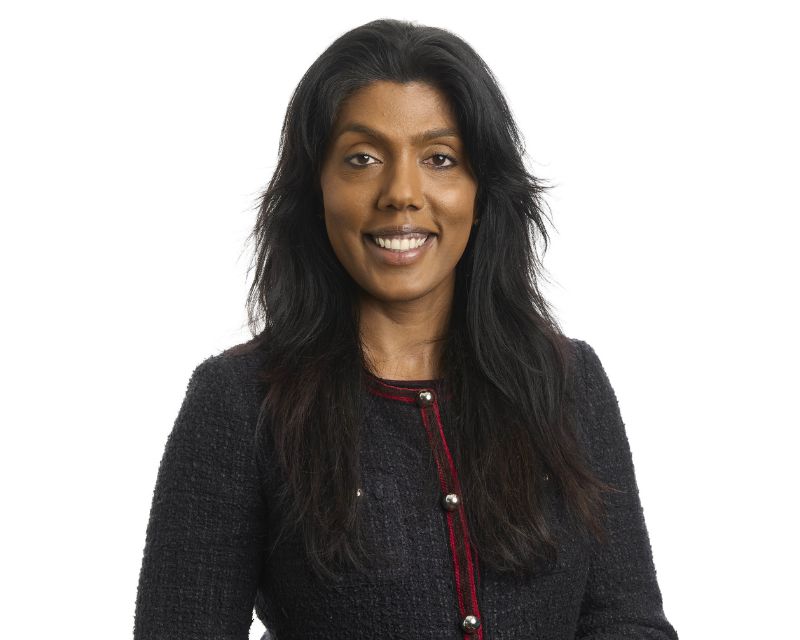
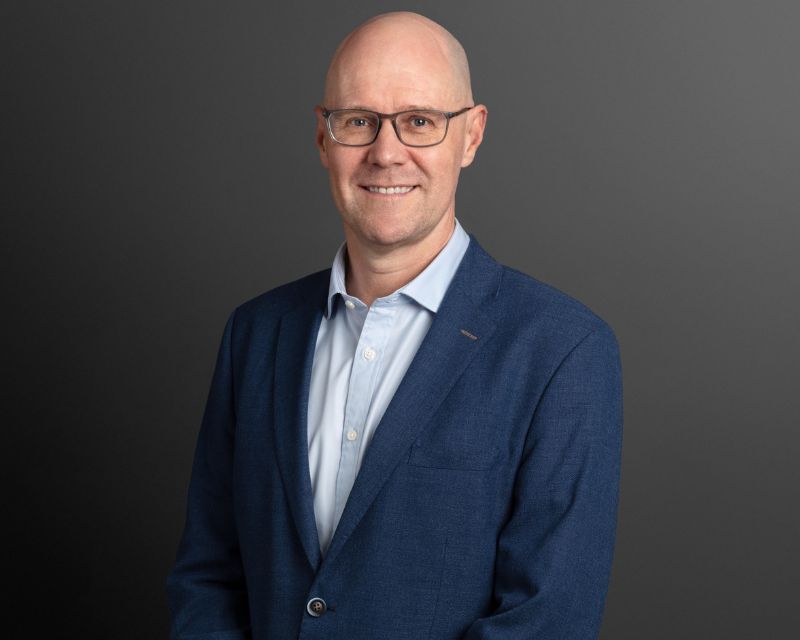
This week’s Quick Insight Series on Trustee Trends – Paul Douglas, co-founder of the Accuro Group and Managing Director of Accuro, Jersey, Channel Islands.
Relocation and succession reality checks
When UHNW families move jurisdictions, what parts of an existing trust or succession plan most often need to be revisited, and why?
When UHNW families relocate, evaluating tax exposure, reporting duties, legal enforceability and the governance of the structure is essential.
In many civil law jurisdictions foreign trusts are treated differently to how common law jurisdictions recognise them. Some recognise the Hague Trust Convention while others do not. A residence move could result in materially different after-tax outcomes on distributions and even attribution of income as it arises rather than when it is distributed. The record keeping of the trustee may to need to be adjusted to adhere to those local reporting requirements. Switching residence will also change disclosure reporting under FATCA and CRS. It is becoming more common to see UHNW families move to jurisdictions where they are subject to lump sum or low tax environments. Keeping in mind wealth tax obligations and whether a double tax agreement is in place is relevant as part of the wider succession planning.
If any of the family members have a fiduciary role in a structure (such as being a director on a company board or acting as an appointed co-trustee) that member’s new residence could impact the residence of that entity and the structure itself. Similarly, if a family member holds a reserved power within the trust deed as a settlor or protector, this may affect the tax treatment of the trust.
Consideration should be given as to whether the new place of residence has forced heirship provisions and whether the letter of wishes, Wills or trust distribution provisions need to be revisited.
Ideally these issues are all considered well before such a move of residence occurs. Often favourable preimmigration planning opportunities are available and these options often close once that family becomes
resident.
Forced heirship and global families
How do you structure trusts when families, assets and beneficiaries are spread across jurisdictions with forced heirship rules that can override original intentions?
When families and assets are spread across multiple jurisdictions with forced heirship rules, the key is to build a structure that is jurisdiction-aware from the outset, and to plan around those rules rather than against them. Courts in the jurisdictions where forced heirship applies may treat trust assets as part of the deceased’s estate irrespective of the location or holding arrangement of that asset. Equally the courts may consider the settlement of assets into a trust as an attempt to avoid forced heirship rules. It is imperative that legal and tax advice is sought at the time of establishment of any structure. Advisors will consider the location of the family members and of the assets and cross reference these against those jurisdictions where the mandatory heirship rules apply. The planning may result in assets such as investment portfolios which sit outside of those jurisdictions being held in trust structures with modern ‘firewall’ laws. For those assets within the relevant jurisdictions different vehicles such as foundations or holding companies may be optimal. Some families may wish to then take a holistic approach to the split of assets between the heirs after the division of the family wealth across the various structures.
Who counts as a beneficiary today
Have you encountered situations where older trust definitions of children or descendants no longer reflect the family’s reality, and how do trustees manage the tension between trust wording and family expectations?
Yes, many of the structures our firm manage were set up over 30 years ago. Traditional legal definitions used in trust instruments of “spouses”, “children” and “descendants” may not align with the modern family which includes same sex relationships, civil law relationships, adopted children, stepchildren, children born through assisted reproduction, and blended families. Divorce, gender identity and genetics can also play a role. As society has changed, so too have certain courts in adopting an inclusive approach to the interpretation of such definitions to respect the wider intentions of the settlor. Statutory and judicial progress in this area is being made, but this is not at pace everywhere. Thoughtful drafting of new trust instruments and letters of wishes may require that modern legal and social norms are followed if relevant to the family. Engagement with the settlor to consider the ambit of these definitions and determine if bespoke drafting is needed is best.
This is a valuable investment of time to avoid ambiguity or being inadvertently discriminatory, giving rise to conflict, costly court applications and ultimately failing to respect the original wishes of the settlor.
Recognition risk over time and across borders
How do you review long standing trust arrangements when structures that once worked smoothly may now face modern legal scrutiny and more informed beneficiaries?
Trustees should continuously review the structures under their responsibility to ensure that these remain fit for purpose and adapt to the latest legislative, regulatory and best practice standards. Thankfully, trusts by their very nature are flexible arrangements and normally can adapt as families and family circumstances evolve. Equally, the financial, geopolitical, legal and tax environments are also constantly changing. We have established a rigorous independent periodic review cycle in our business to assess such matters. Client engagement strategies ensure we meet the family members regularly. Being a trustee requires building a long-term relationship with a family. Spending the time to engage with beneficiaries across generations and establishing clear communication lines helps to ensure that the longevity of the trust is enabled. This investment of time and resources is valuable to all in the longer term.
Trust investing under pressure
How are trustees balancing traditionally conservative investment duties with expectations for stronger performance and interest in modern or alternative assets such as private markets or digital assets?
Increasingly, private equity investment holdings and tokenised assets are being included within trust funds and given their recent returns, some beneficiaries expectations of the trustees is to increase exposure to them. The principles of prudent investment management still hold true. In taking a holistic view of the total fund, adding these non-traditional assets may in fact assist with diversification, provided the ratios of these asset classes is proportionate to the risk profile. Hedge funds, REITS and structured products within an overall strategy can balance risk and return. Private markets require enhanced due diligence of the manager, the fund and underlying investments. These assets also demand managing reporting and cash flows for capital calls. Similarly, the governance, security and regulatory position of digital assets need to be assessed carefully.
Trustees must comply with the relevant AML/CFT frameworks so accessing such via regulated funds may be preferred. Where the weighting of non-traditional assets starts to tilt out of balance then the trustees could consider, amongst other things, the engagement of specialists to advise, reserving investment powers or creating investment committees. These types of steps would need to be developed under professional advice.
Trustees under conflicting pressures
When family wishes clash with legal, regulatory or litigation risk, how do trustees decide whether they need to intervene, and what impact can that have on the trust?
A trustee must respect the legislative and regulatory requirements in fulfilling their fiduciary duties. Engagement with families is best practice to help avoid tensions. In my experience, once these frameworks are clearly explained, a family often will understand the trustee’s position and adjust their wishes accordingly.
Where a family is not prepared to obey these laws and regulations, the trustee must consider whether they approach the courts for direction or alternatively, consider whether they can continue to act. However, insight, trust and good communication skills can usually resolve conflicts very well.
Trusts and reputational risk
When a client or family member attracts negative media attention or regulatory scrutiny, how do trustees assess whether reputational issues create practical risks for the trust?
It is not uncommon for UHNW families to attract media attention, and in today’s geopolitical climate this attention is frequently not positive. Social media and online commentary can cause instant and potentially significant damage to the reputation and in turn the wealth of a family. Retaliatory defamation lawsuits are challenging and costly to bring. There is therefore a tangible value to careful thought and strategic planning around protecting reputation. Many families use trusts and foundations to maintain financial privacy.
Depending on the nature of the negative media, trustees need to weigh up their regulatory duties (for example where there may be allegations of criminal activity) against vexatious media or press which could be purely to gain a commercial benefit.
Succession planning amid legal change and divorce
How do you design trust structures that can cope with changing inheritance laws and the cross border impact of divorce?
By their very nature, UHNW families and their assets are often spread around the globe. This naturally leads to difficulties in navigating the financial consequences of death or divorce. Selecting the jurisdiction that has strong independent legislative frameworks as the governing law of the trust is an important decision. Ideally the law should insulate trust assets from divorce claims or forced heirship rules, allow wide powers to change beneficiaries and reorganise the trust rapidly. Ring fencing pre-marital assets, automatic exclusion clauses in the trust itself and post-nuptial agreements which align with the intentions of trust are useful strategies.
Similarly, during marriage, distributions from a trust should not support the marriage but should only benefit that spouse who is a beneficiary.
Marriage across cultures and tax regimes
What lessons have been learned from difficult cases involving intercultural marriages, different matrimonial property systems and competing tax treatments?
Early and sensitive engagement on these issues in an emotionally intelligent manner is essential both at the establishment of a structure and during its existence. This necessitates regularly checking in with the beneficiaries. Understanding cultural expectations around fairness, succession, and financial privacy, and considering these against the legal, structural, religious and tax frameworks will help trustees to anticipate and better manage complexities. This can sometimes lead to drafting robust trustee powers and conflict-management mechanisms to address competing claims. A proactive approach is far better to protect the trust’s integrity and beneficiary relationships. More families are investing their time on crafting family charters to set out their expectations of each other and the next generation. Such processes are best carried out with a facilitator who can offer counselling to the family in how to elucidate their values and expectations in the clearest way possible.
Making trusts work for the next generation
What practical governance and review processes are proving most effective in keeping long term trusts fit for purpose as laws, expectations and scrutiny evolve?
Most families recognise that trusts allow for family wealth to compound and to provide an impartial governance framework for the disbursement of funds to beneficiaries across generations. Each family is different, so their expectations of the trust will differ. It is imperative that trustees have that engagement with a family to understand the nuances of each family and where possible or appropriate, gather the views of the next generation. From our engagement with next generation beneficiaries, they are often pleased to learn that priorities that are close to their heart can be achieved within the trust fund itself. For example, some wish to support sustainable and/or impact investments or to give back to society via charitable or philanthropic endeavours. Others want to ensure that their own children can have educational or medical support made available if required. Equally if there is a renegade child/sibling in a family, they get comfort knowing that their family wealth will be protected. The flexibility of trusts do cater for many scenarios.
Bonus question. What are the best and/or newest trust laws in your jurisdiction?
While it is more of a corporate law than a trust law change, the extensive amendments to the Companies (Jersey) Law 1991 will come into effect, modernising company administration, enhancing flexibility and better aligning the regime with commercial practice. We are always in favour of strong and clear laws: this is the very reason clients from around the world select Jersey as their jurisdiction of choice.
Accuro’s Citywealth Leaders List profile
Subscribe to the Citywealth Weekly Newsletter to learn more about Private Wealth Management.
Read more:
Report on the Citywealth IFC (International Financial Centre) Awards 2026
Salamanca Trust and Fiduciary rebrands as Accuro | Citywealth News
Accuro opens a Zurich office | Citywealth News
An evening at the IFC Awards 2024
IFC Awards 2024 | Citywealth Awards Results
Citywealth IFC Awards recommended names shortlisted candidates
Trust Reform and UHNW Mobility Trends
Report on the Citywealth IFC (International Financial Centre) Awards 2026
Accuro makes two Board appointments | Citywealth News


Citywealth Quick Insight Series on Crypto & Digital Asset Trends – Daniel Masters, CoinShares
This week’s Quick Insight Series on Crypto & Digital Asset Trends – Daniel Masters, Executive Chairman, CoinShares, Europe's largest and longest-standing digital asset investment firm.
Citywealth Quick Insight Series on Italian Divorce and Family Law Trends – Alessandro Gravante, Giambrone & Partners
This week’s Quick Insight Series on Italian Divorce and Family Law Trends – Alessandro Gravante, Senior Partner at Giambrone & Partners.