


Citywealth Quick Insight Series on Miami and the LatAm Market – Mariano Marco, JTC Group
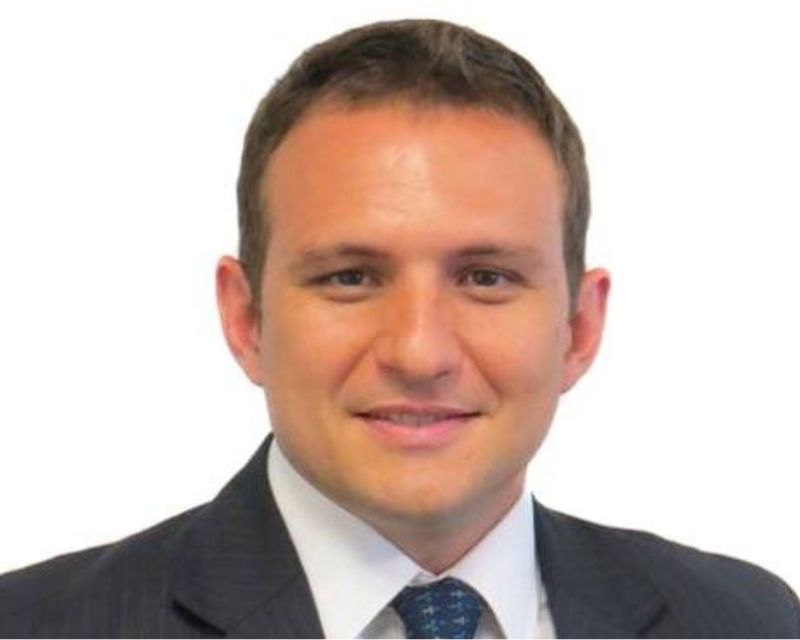
This week’s Citywealth Quick Insight Series on Miami and the LatAm Market is dedicated to Mariano Marco, Head of Client Services Latin America, Private Capital Services at JTC Group.
What are clients most concerned about right now: tax, litigation, privacy, asset protection, succession, divorce or political uncertainty?
Clients in Miami and across LatAm are rarely focused on just one issue in isolation. The strongest themes we are seeing are political uncertainty, succession planning, asset protection and tax transparency. For many internationally mobile families, political and regulatory change in their home jurisdictions is accelerating decision-making around where assets are held, how ownership is structured and who has control. At the same time, families are increasingly aware that wealth transitions are becoming more complex, particularly where there are cross-border family members, blended family dynamics or operating businesses involved. Privacy remains important, but today it is usually discussed alongside governance, compliance and resilience rather than as a standalone objective.
What assets are clients most commonly placing into trust structures today?
The most common assets continue to be investment portfolios, shares in privately held businesses, real estate interests and cash for long-term family planning. We are also seeing trust and fiduciary structures used more strategically for holding company interests, family investment vehicles and pre-liquidity planning, ahead of a business sale or other monetisation event. In the Miami and LatAm market, structures are often designed not only to preserve wealth, but also to create an robust framework for ownership, decision-making and succession across multiple jurisdictions.
Has life insurance become one of the most important tools in modern wealth structuring and succession planning?
Life insurance is certainly an increasingly important tool, particularly when used as part of a broader structuring and succession strategy. It can provide liquidity at the right time, help balance inheritance between family members, support estate planning objectives and in some cases mitigate forced asset sales following a death event. That said, it is most effective when integrated into a wider framework that includes governance, fiduciary structuring, tax advice and long-term succession planning. It is not a substitute for good planning, but it can be a highly effective component of it.
Where are the biggest litigation risks emerging for wealthy families?
The greatest litigation risks are often emerging from intra-family disputes, poorly documented succession intentions, shareholder disagreements in family businesses and claims arising from relationship breakdowns. We are also seeing more exposure where families hold assets across several jurisdictions but have not aligned their legal structures, governance arrangements and reporting obligations. In practice, litigation risk often increases when wealth has grown faster than the family’s governance framework. That is why clear fiduciary oversight, robust documentation and transparent decision-making processes are so important.
How has philanthropy changed following reductions in government-backed international aid and growing pressure on private capital to fill funding gaps?
Philanthropy has become more strategic, more measurable and more institutionalised. Many wealthy families still want to make a meaningful impact, but they are increasingly approaching philanthropy with the same discipline they apply to their business and investment activities. That means stronger governance, clearer impact objectives, more due diligence on counterparties and a greater willingness to use structured vehicles to manage giving over the long term. In the Miami and LatAm market, there is also growing interest in combining philanthropic ambition with family engagement, using giving structures as a means to involve the next generation and build shared purpose across the family.
What is the one issue wealthy families should be planning for now that most are currently overlooking?
The most overlooked issue is family governance. Many families spend significant time on tax and legal structuring, but not enough on how decisions will actually be made in the future, especially across generations and jurisdictions. The real challenge is often not the structure itself, but whether the family has agreed on roles, responsibilities, succession of control, dispute resolution and the long-term purpose of the wealth. In our experience, the families that plan best are those that treat governance as seriously as investment performance or tax efficiency.
JTC Group’s Citywealth Leaders List profile
Subscribe to the Citywealth Weekly Newsletter to learn more about Private Wealth Management.
Read more:
JTC acquires South Dakota Trust Company
Michael Nueber: Insights from Industry Leaders
JTC hires US Director of Sustainability Services
Sailesh Navsaria: Private Client Services Expert
JTC opens new office in Austria
JTC to acquire specialist Fiduciary Business FFP, Cayman Island, BVI and Dubai
ZEDRA appoints former JTC executive as Deputy CEO
JTC completes acquisition of CITI Trust
Citywealth Forum USA 2026 – Marina Cristiani
Quick Insight Series: Tom McGinness, Head of JTC Private Office


Citywealth Quick Insight Series on Tax Trends – Richard Pott, Buzzacott
This week's Citywealth Quick Insight Series on Tax Trends is dedicated to Richard Pott, Senior Manager at Buzzacott.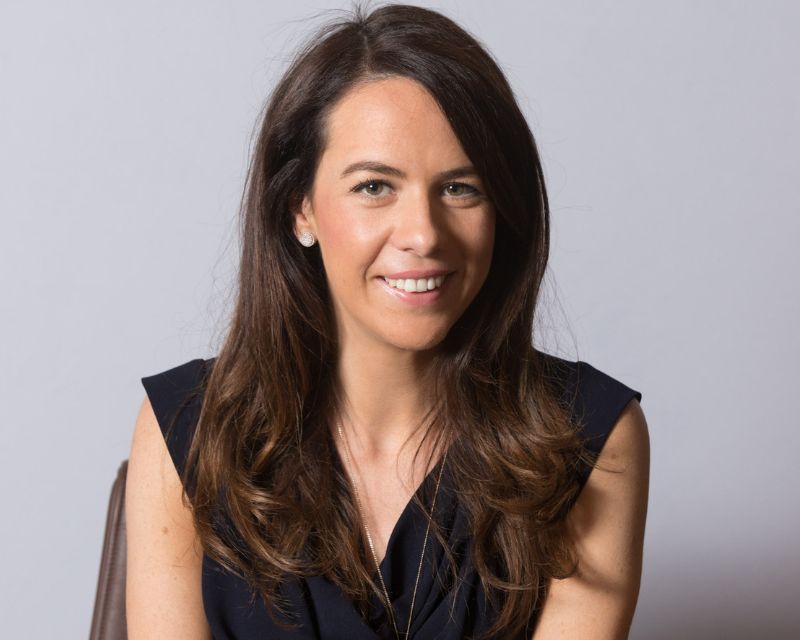
Citywealth Quick Insight Series on Tax Trends – Anna Warren, Bentley Reid
This week's Citywealth Quick Insight Series on Tax Trends is dedicated to Anna Warren, Tax Director at Bentley Reid, financial planning, tax advice, and investment management.