Citywealth Forum 2026 Speaker spotlight: Kate Wilson, Barrister at 5RB
Kate Wilson focused on the legal realities of reputation protection in the digital and AI age. She highlighted the limits of defamation law when dealing with AI-generated content, the importance of data protection and confidentiality as alternative tools, and the significant legal gap when it comes to protecting the reputation of the deceased.
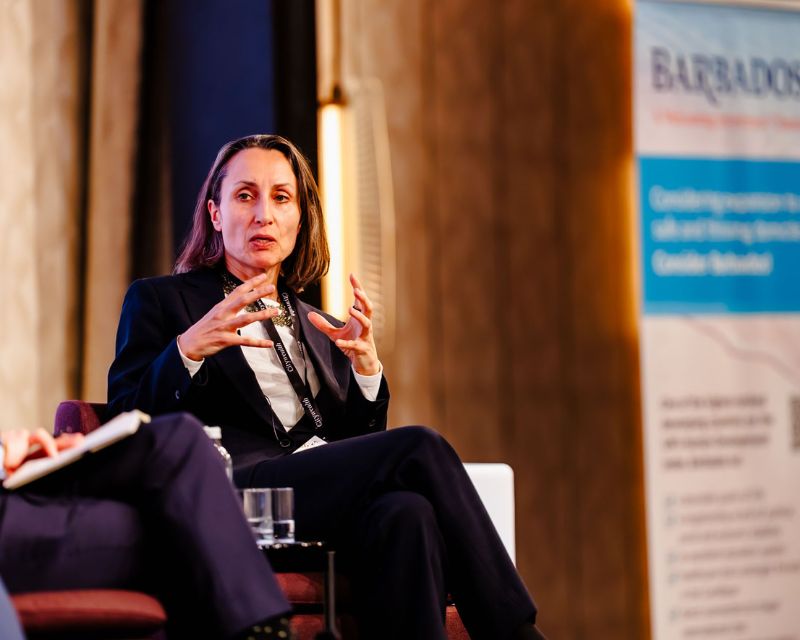
Kate Wilson set out clearly how traditional defamation law struggles to keep pace with AI-driven issues.
At its core, a defamation claim requires proof of serious harm and publication to third parties.
However, much AI interaction happens in private, one-to-one exchanges, such as a user asking a chatbot a question, meaning it may not meet the threshold required to bring a claim.
This creates a gap between the scale of reputational harm that AI can generate and the ability to respond effectively through existing legal routes.
Why data protection may be more effective
Given those constraints, Wilson suggested that data protection may often be a more practical route.
Where AI produces false or misleading personal information, complaints based on accuracy and misuse of personal data may provide a stronger basis for challenge.
This reflects a broader shift in how legal frameworks are being used to protect reputation, particularly where traditional methods fall short.
The difficulty of applying legal concepts to AI
She also raised more fundamental questions about how the law treats AI-generated content.
Many defences in defamation law rely on human judgment, such as the concept of honest opinion or belief.
Wilson expressed doubt that courts would attribute such subjective characteristics to AI systems, creating uncertainty about how these defences might apply in practice.
While this could evolve, current legal thinking still draws a clear distinction between human and machine-generated output.
Identifying who is responsible
Another complexity lies in identifying who can be held responsible.
Depending on the situation, liability might sit with the operator of the AI system, or with individuals or organisations that repeat or publish the content generated.
This lack of clarity adds another layer of difficulty when trying to pursue legal remedies.
When confidentiality matters most
Alongside these emerging challenges, Wilson emphasised a more established legal principle: the value of confidentiality.
Where individuals have clear contractual obligations of confidence in place, courts are generally willing to enforce them.
In practice, this can offer stronger protection than relying on arguments around privacy or defamation alone, particularly where sensitive information is concerned.
Post-death reputation: a legal gap
Wilson was particularly clear about the limits of legal protection after death.
In English law, most personal rights, including defamation and data protection,do not survive the individual.
This means that reputational damage to a deceased person cannot typically be pursued through the courts.
Limited exceptions
There are, however, some narrow exceptions.
Confidentiality obligations may continue after death in certain circumstances, particularly where sensitive information is involved.
She also suggested that this area could develop further, especially where courts consider the responsibilities of those disclosing information rather than the status of the individual concerned.
Impact on families
In practice, this legal gap often affects surviving family members.
While they cannot protect the reputation of the deceased directly, they may have claims of their own if their reputations are harmed by association.
This creates a more indirect and less certain route to addressing reputational issues.
A legal system still adapting
Wilson’s overall message was that the legal system is still adapting.
Existing principles are being applied to new technologies and situations, but there are clear gaps and uncertainties, particularly where AI and digital publication are concerned.
As a result, legal strategies need to be flexible and often combined with other approaches, including communications and proactive reputation management.
Key Quotes
“Defamation requires serious harm and publication to third parties. One-on-one AI interactions are unlikely to meet that threshold.”
“Data protection may be a better route in many cases.”
“There is very limited scope for legal protection after death.”
“Confidentiality obligations can survive in certain circumstances.”
“The law is applying established principles to a new paradigm.”
Key Takeaways
- Kate Wilson discusses the challenges of protecting reputations in the digital and AI age, highlighting limitations in traditional defamation law.
- Data protection may provide a more viable alternative when AI generates false personal information, presenting new avenues for legal action.
- AI-generated content complicates legal concepts, especially since courts may not attribute human qualities to AI systems.
- Identifying liability in cases of reputational harm can be difficult, adding uncertainty to legal claims related to AI.
- A significant legal gap exists for post-death reputation protection, with very limited options available for the deceased.
- The full list of speakers:
- Moderator:
- Dan Tench, Partner, CMS
- Speakers:
- Gideon Benaim, Partner and Head of the Reputation Protection Team of Simkins
- Josh Leigh, Partner at Schillings
- Ryan McSharry, Director / Head Crisis and Litigation (UK) at INFINITE
- Kate Wilson, Barrister, 5RB
- The panel
- 14:45 – 15:30 | Panel 6: Reputation. Building and protecting the digital reputation of families and their children. Also post death reputation management.
- Reputation Recovery. Strategies for mitigating and repairing reputational damage caused by mistakes, misinformation, or malicious actions. This will include post death reputation management. Discussions will consider legislation which extends the rights of publicity for a fixed number of years after death and common law where the rights of publicity ends at death.
Subscribe to the Citywealth Weekly Newsletter to learn more about Private Wealth Management.



Citywealth Forum 2026 Speaker spotlight: Ryan McSharry, Director / Head of Crisis and Litigation (UK) at INFINITE
Ryan McSharry focused on the practical realities of reputation crises in the digital age. He highlighted the speed and scale at which misinformation now spreads, stressing the importance of preparation, coordinated legal and communications strategies, and knowing when not to respond.
Citywealth Forum 2026 Speaker spotlight: Rennie Hoare, Partner and Head of Philanthropy at C. Hoare & Co.
Rennie Hoare focused on how philanthropy is moving into the mainstream of wealth planning, with donor-advised funds playing a central role. He highlighted the value of unrestricted funding, better use of charitable capital, and the importance of philanthropy as a way of deepening client relationships and understanding what matters to them.