Citywealth WP Club – Mentor speaker: Penny Lovell
Penny Lovell, Head of Private Bank, CEO of The Hottinger Group part of Edmund de Rothschild said. “When I was asked to speak to a room of wealth professionals, my instinct was to avoid the obvious.”

Most people in the room already understand the technical side of the job. Qualifications, markets, regulation, products. That part is well understood. What shapes a career over time is something else. Careers tend to turn on a small number of behaviours. You don’t notice them day to day, but they add up quietly over years. I want to focus on four.
Resilience
If you look closely at people who have built lasting success, brilliance is rarely the defining feature.
Resilience is.
Colonel Sanders, James Dyson, Steve Jobs. Very different paths, the same pattern. Things went wrong repeatedly before anything went right.
My own lesson came early. On my first day at a large bank, the role I thought I had joined changed almost immediately. It wasn’t what I expected.
I had a choice. Push back, or adapt.
Resilience isn’t abstract. It’s about how you respond in the moment. Do you react emotionally, or step back and think?
One lesson that came later was perspective. When things go wrong, it helps to think about what the people around you are dealing with as well. It tempers judgement and usually improves it.
It also helps to be realistic. Careers are long. Setbacks are normal. Periods of going backwards are part of working life.
Success isn’t avoiding failure. It’s the ability to absorb it and continue.
Thinking long term
Early in my career I remember being deeply upset about something that, with hindsight, was trivial. I had missed a deadline. My manager was annoyed. It felt significant at the time.
Someone gave me a piece of advice I still use: think long term.
Most things that feel decisive in the moment don’t matter over five or ten years.
So I started asking myself different questions. What actually matters here? What steps need to come next? What noise can I ignore?
There is always noise. Short‑term pressure, office politics, other people’s opinions. A long‑term view tends to improve decisions.
There’s also a balance worth holding onto. Take your job seriously, but don’t take yourself too seriously.
Mentors help. I relied on them heavily. Different people at different points, for different challenges.
At one stage I was trying to understand management roles and corporate structures and how to get the experience needed to progress. It felt circular. You needed experience to get the role, and the role to get the experience.
One mentor gave me straightforward advice. Become a charity trustee.
It allowed me to give something back, but it also provided experience in governance, decision‑making and accountability beyond my day job. It wasn’t perfect, and I made mistakes, but the learning was real. When I moved into my first executive role, I felt far better prepared.
That is the value of practical advice, given early.
Internal reputation
Careers are built on reputation, particularly internal reputation.
The principles are simple. Be good at what you do. Be reliable. Be helpful. Be someone people want to work with.
Early on, technical competence matters. It’s the foundation.
Beyond that, visibility matters too. Not performance, but presence. Getting involved, contributing, being part of things beyond the narrow definition of your role.
Many opportunities don’t come from formal processes. They arise because someone has seen how you operate, how you handle pressure, how you treat others.
People remember whether you made their work easier or harder. That memory tends to last.
Learning from others
One habit that has served me well is paying attention to people who succeed over long periods of time.
In our world, Warren Buffett and Charlie Munger are familiar examples. Not simply because of performance, but because of how they think.
They are disciplined. Patient. Rational. Comfortable being out of step with the crowd. They work in partnership and challenge each other.
The value isn’t imitation. It’s pattern recognition. Understanding what actually drives sustained success.
Clients and uncertainty
All of this comes together in client work.
Most people enter this industry thinking it’s about finance. In practice, it’s about people.
The technical side of the job is often the most straightforward. The harder part is living with uncertainty. Conversations where expectations don’t align. Situations where emotions are high and answers are unclear.
Those moments test the qualities that shape a career. Staying calm. Thinking ahead. Being dependable when certainty isn’t available.
That is the job.
A colleague once reminded me of the old saying about the wise owl. The more he saw, the less he spoke. The less he spoke, the more he heard.
Two ears. One mouth.
It’s not a bad principle to keep in mind.
A few things worth holding onto
- Careers are long. Setbacks are not signals to panic.
- Long‑term thinking improves judgement almost every time.
- Reputation is built quietly, through how you behave day to day.
- The hardest part of the job isn’t technical — it’s dealing with people under uncertainty.
Those things compound, often unnoticed, until one day you realise they’ve shaped the career you’ve built.
Key Takeaways
- Successful careers rely on resilience, long-term thinking, and internal reputation.
- Resilience helps individuals adapt and absorb setbacks rather than panic.
- Thinking long term shifts focus from short-term pressures to what truly matters in your career.
- Your internal reputation builds through reliable and helpful behaviour over time.
- Clients are the focus of the job; handling uncertainty and maintaining composure is key.
Subscribe to the Citywealth Weekly Newsletter to learn more about Private Wealth Management.
Read more:
IFC insights: Indian wealth management
The Global Migration Shake-Up: Why the Wealthy Are Moving
Citywealth Leaders List: Top 30 Immigration Advisors 2026

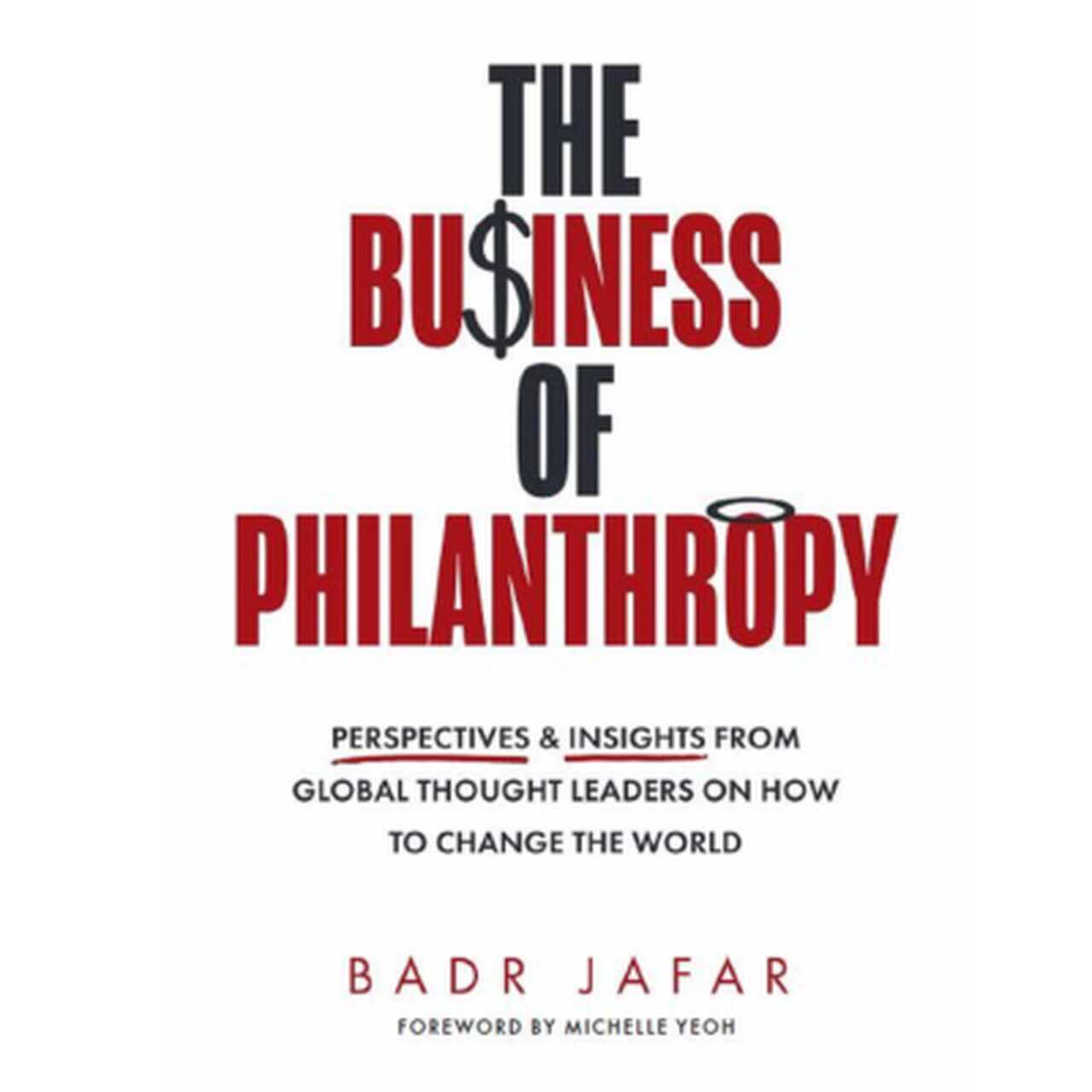
The Business of Philanthropy
A collection of one-on-one discussions with 40 of the world’s greatest thought and action leaders and prominent philanthropic figures.
Tens of thousands leave the Gulf for the UK, for now
Tens of thousands of residents have left the Gulf amid escalating tensions, with many British and international families temporarily returning to the UK while the situation unfolds.
When taxes rise, wealth moves: a new era for UK and US succession planning
As UK inheritance tax rules expand and US policy evolves, advisers are reassessing how internationally mobile families should approach wealth, residence and succession planning.