Capacity, conflict and complexity: inside private wealth litigation in 2026
Litigation in the private wealth sector is becoming more complex. Questions of mental capacity, cross-border conflict and changing tax rules are reshaping the risks facing trustees and advisers. Courts are adopting more nuanced approaches to capacity, while differences between jurisdictions are creating new grounds for dispute.
At the same time, challenges from beneficiaries are increasing, often rooted in family tensions as well as financial interests. Although artificial intelligence is beginning to be used in document-heavy areas of litigation, its wider role remains limited, with concerns about reliability still to be addressed. In response, mediation and early intervention are becoming more prominent as ways to contain costs and manage conflict.
Capacity in trusts
At the centre of this shift is the question of capacity, which is becoming a defining issue for trustees and fiduciaries. Alison Ozanne, Executive Director at Barrule Partners based in Guernsey, said. “This issue will continue to be of increasing concern to trustees and fiduciaries. As Courts understanding of mental illness grows, the responses to it under various mental health laws have become more nuanced. There is a move away from simple ‘capacity or not’ assessment which means does the party have capacity in relation to this relevant decision.”
“This could lead to difficult situations where for instance a Protector could be assessed to have capacity to consent to a distribution, but not a change of trustee. Sadly, we foresee a lot more litigation around these issues as individuals age and second-generation beneficiaries may seek to challenge decisions they disagree with. Capacity is therefore an issue that should be addressed in the trust deed and how it should be dealt with if it arises.”
“To counter this for existing trusts, the general move in Commonwealth Jurisdictions for Courts to direct parties to mediation is a very welcome development, which should hopefully help ameliorate the position and control costs when disputes arise.”
If mediation offers one route to containment, the scale of the problem itself is becoming harder to ignore. Joshua Rubenstein, global chair of Katten’s Private Wealth practice, New York said: “Capacity contests are rampant these days, and they are the stuff of which soap operas are made. Cross border capacity contests are more challenging. Different jurisdictions have different capacity tests for the creation or amendment of wills than for trusts than for business structures. The capacity to marry, particularly late in life, varies from jurisdiction to jurisdiction. The standing to challenge a late in life marriage similarly varies. The impact of marriage on existing plans likewise varies. The burdens of proof vary widely, particularly to establish undue influence in the case of someone of diminishing capacity. Increasingly people are looking for ways to resolve these issues before the matriarch or patriarch dies, in order to ‘stop the damage’ sooner and to avoid the inevitable free for all that would otherwise ensue after the matriarch or patriarch dies.”
“What is particularly challenging is US and UK, given that US law drives from UK law, you would expect their approaches to be similar, but they are surprisingly different. As an example of a ‘rampant’ case Rubenstein cites Brook Astor and her high profile lawsuit. “There is a wonderful book about it.”
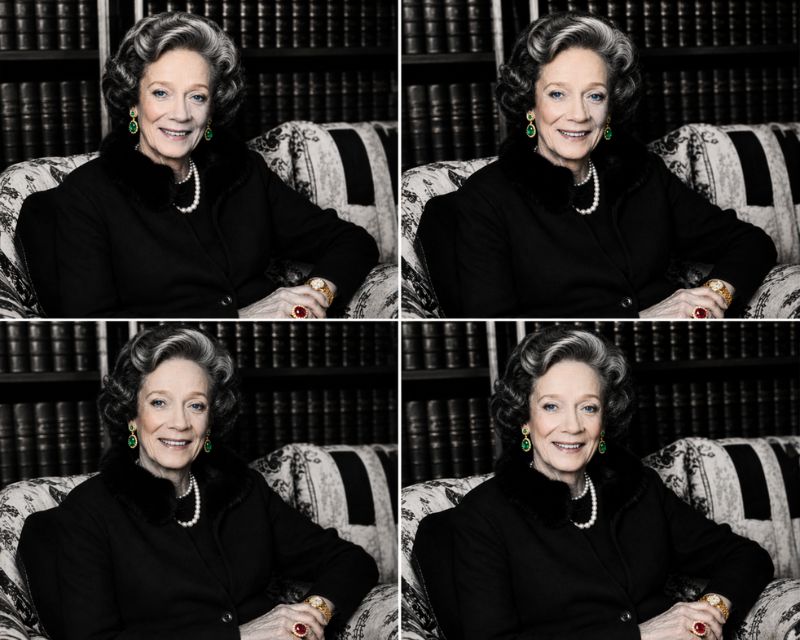
Astor was born into the prominent Drew family, a well-established East Coast lineage with deep social and political ties, before later marrying into the far more famous Astor dynasty, one of America’s richest and most storied families. It was through her third marriage to Vincent Astor that she entered that world of immense wealth and influence, eventually becoming its public face after his death.
Astor, long regarded as one of New York’s defining grande dames, saw her final years overshadowed by a bitter legal dispute over her mental capacity and the control of her estate. The case, brought by her grandson, raised serious concerns about her wellbeing and led to a criminal trial in which her son, Anthony Marshall, was found guilty of financially exploiting her, drawing national attention to the issue of elder abuse among even the most privileged families. Astor herself had earlier set down a more composed account of her life in Patchwork Child, a memoir that charts her journey from a difficult childhood to her emergence as a leading philanthropist, offering a measured portrait of duty, resilience and the careful stewardship of wealth in the service of public life.
While cases such as Astor highlight the human cost of these disputes, they also expose more technical vulnerabilities within trust structures. Bonnie Lynn Chmil, Partner at Katten, New York, said. “One important issue is capacity and the trust protector. Trust instruments often give protectors numerous powers that are a condition precedent to the trustees’ actions. While many trust instruments contain provisions addressing incapacity of a settlor or even a trustee, they frequently fail to address the capacity of the protector. If the instrument is silent, a court proceeding is inevitably required which takes considerable time and is highly disruptive to trust administration. If the trustee cannot take action such as making distributions without the consent of the protector, the trust is effectively frozen to the detriment of the beneficiaries. This situation readily can be avoided by including provisions that explicitly address protector incapacity.”
The issue is gaining prominence as trust protectors become an increasingly common feature of modern estate planning. Once largely confined to offshore arrangements, the role has moved into the mainstream of domestic trusts in the UK, the US and other common law jurisdictions. Families are setting up more long-term irrevocable and dynasty-style trusts designed to last for generations, often giving protectors significant powers over distributions, trustee appointments and changes to the trust’s terms. As these structures outlive their original creators, the potential incapacity of a protector, through age, illness or accident, has become a practical concern. Without clear provisions to address it, the smooth administration of a trust can be seriously disrupted, turning what was intended as a safeguard into an obstacle for beneficiaries.
These issues do not arise in isolation. They become significantly more complex when trust structures span multiple jurisdictions.
Jurisdictional conflict and risk management for trustees
The risks are further amplified in international trust arrangements, where jurisdictional differences can create additional points of tension, says James Turnbull, Partner at Walkers in Jersey, Channel Islands. “A good example of the challenges that can arise with cross border trust structures is where there are parallel trusts for the family governed and administered in different jurisdictions and a restructuring is being considered which is contentious.” Parallel trusts are separate trusts established to run alongside each other, typically with similar terms, often used to manage assets or beneficiaries independently within a broader planning structure. “I would need to manage the competing strands to avoid inconsistent decisions in different jurisdictions as this could prevent the proposed restructuring from proceeding. An early focus on managing this issue and identifying the jurisdiction best placed to take the lead is a good plan.”
“Another common area where this type of challenge can arise for cross-border structures is in divorces where the court dealing with the divorce is in a different jurisdiction from the court of the governing law of the trust. In this scenario there is a clear tension between the orders that will be made in the divorce and their enforceability against the trustee in a different jurisdiction.”
Cases such as the long-running dispute between Tatiana Akhmedova and her former husband have illustrated how difficult it can be to enforce court orders across jurisdictions when complex trust structures are involved. The dispute involving Tatiana Akhmedova has become one of the most prominent examples of the difficulties surrounding cross-border enforcement in divorce and trust cases. Following her divorce from Russian businessman Farkhad Akhmedov, the English courts awarded her a substantial settlement, but enforcing that judgment proved complex as assets were held through offshore structures and across multiple jurisdictions. The case has highlighted the limits of domestic court orders when faced with international trust arrangements, as well as the practical challenges trustees face when navigating competing legal systems and claims.
Turnbull said. “A key point for trustees in this situation is considering how much information to provide and whether to submit to the jurisdiction of the divorce court. Applying to the court in the jurisdiction of the governing law of the trust for approval of the approach it intends to take is an important protection available to trustees where it may otherwise be faced with competing and potentially conflicting orders from courts in different jurisdictions. This is becoming more relevant in capacity, where different legal tests may apply to the same individual and decision, raising questions over whether actions taken within a structure are valid and becoming fuel for beneficiary litigation.”
“As life expectancies continue to rise concerns about the capacity of settlors, protectors and beneficiaries is growing. With medical advances people are living longer but this is increasing the period where they may be vulnerable to undue influence or lose capacity. This is a particular challenge for trustees working with families from across the globe as keeping up to date with their client’s health can be difficult when they are not always able to meet face to face on a regular basis. This presents a real risk for trustees, as the decisions or wishes of elderly or vulnerable individuals running of the trust can be susceptible to challenge by beneficiaries who feel disadvantaged by the trustee’s actions. This risk is enhanced where the vulnerable person lives with or is perceived to be in the control of a particular branch of the family. Disputes arising from this type of scenario are invariably acrimonious and costly.”
“Trustees can best protect themselves from these type of claims by ensuring they maintain regular direct contact with the key people involved in the trust to increase the chances that they will be able to spot any deterioration in their capacity, fully documenting their decision making and the steps that they took to understand the requests made of them and assess their reasonableness.”
“Where there is a concern, a capacity assessment should be undertaken by a qualified professional. The legal test to be applied will practically depend on the role of the individual, for example, if they are a beneficiary, the relevant test is likely to be based on the laws of their home jurisdiction. However, if it is a protector exercising fiduciary duties, the relevant law is likely to be linked to the relevant trust.”
“If there are multiple trusts all governed by different laws, and, in the example above, a protector were found to lack capacity in one jurisdiction but not another, the safest course is likely to be to appoint a new protector across the entire trust structure; that keeps consistency, and also saves having to keep the capacity assessment in various jurisdictions constantly under review.”
The practical challenges faced by trustees are mirrored by deeper legal tensions across jurisdictions.
Cross-border complexity and jurisdictional conflict
Alfred Ip, Partner, Notary Public, Hugill & Ip. Hong Kong a CEDR accredited Mediator said. “The administration of cross-border trust structures is increasingly undermined by jurisdictional friction over the assessment of a settlor’s mental capacity, creating fertile ground for beneficiary litigation. While the Hague Trusts Convention 1985 harmonises the law applicable to trust administration, Article 4 expressly excludes preliminary issues such as capacity, which defaults to the settlor’s domiciliary law.” The Hague Trusts Convention 1985 provides a framework for determining which jurisdiction’s law applies to a trust, but notably excludes issues such as capacity, leaving them to be decided under separate domestic laws and often creating scope for conflict.
“This creates immediate conflict when a settlor is deemed capable under the functional, issue-specific tests of common law but incapacitated under the absolute, status-based protective regimes of civil law. Offshore ‘firewall’ legislation, attempts to shield trusts by mandating local law applies to capacity, but this only heightens the tension when foreign courts refuse to recognise the offshore position.” Offshore ‘firewall’ laws are rules used in places like Jersey, Channel Islands or the Cayman Islands to stop foreign courts from interfering with trusts set up there, helping protect assets from overseas claims.
Similar tensions have been seen in high-profile disputes such as the Bettencourt affair in France, where questions of capacity and undue influence became central to the control of one of Europe’s largest family fortunes. The Bettencourt case remains one of the most prominent examples of how questions of capacity and undue influence can destabilise even the most established family wealth structures. Liliane Bettencourt, heiress to the L’Oréal fortune, became the subject of a long-running legal dispute centred on her mental capacity and her relationship with a photographer who was alleged to have exploited her vulnerability. The case led to criminal proceedings, family litigation and intense public scrutiny, ultimately resulting in court intervention over the management of her affairs.
Ip said. “Consequently, divergent capacity thresholds are weaponised by disgruntled heir’s forum-shopping to invalidate late-life restructuring, distributions, or letters of wishes. Trustees face immense risk when relying on documents executed by aging settlors. If a foreign court successfully invalidates a settlor’s capacity, fiduciaries may face in personam claims or applications to set aside their decisions under the rule in Hastings-Bass.” In personam claims are legal claims made against a specific person rather than against property, meaning the court is being asked to order that individual to do something, such as pay money or transfer assets.
“Practitioners should mitigate this risk by insisting on contemporaneous medical assessments and explain the documents that they provide the settlor to sign and their legal effect to the settlor.” This means, in practice, that lawyers should reduce the risk of problems by making sure the person setting up the arrangement is medically assessed at the time, and by clearly explaining any documents they are asked to sign, including what those documents legally do.
At the same time, the way these disputes are being prepared and contested is beginning to shift.
AI in litigation
Recent cases in the United States have highlighted growing judicial concern around the use of artificial intelligence in legal proceedings, with courts criticising lawyers for relying on AI-generated submissions that contained inaccurate or fabricated citations.
Elliott Phillips, Founding Partner, Signature Litigation an internationally recognised barrister and specialises in offshore contentious trusts, estates and private wealth disputes said. “High value, complex disputes involving family wealth are increasingly intersecting with questions of mental capacity in estate planning and administration. At the same time, the growing use of artificial intelligence is beginning to shape the landscape of dispute resolution. While AI is already being deployed in document-heavy aspects of litigation, its broader application across dispute resolution practices remains some way off, presenting both a challenge and an opportunity for lawyers navigating these cases.”
Yet technology is only one part of the picture. The underlying pressures driving litigation continue to intensify.
Broader litigation drivers and trends – costs and tax
Alasdair Davidson, a Partner at Bedell Cristin said. “Trustees are facing mounting pressure as beneficiary litigation continues to grow in both scale and complexity, bringing with it significant cost and risk. Increasingly, they find themselves caught in the crosshairs of disputes that are, at their core, deeply personal family conflicts, even if they are underpinned by substantial wealth and resources.”
High-profile disputes such as those involving the Barclay family in the UK have demonstrated how quickly governance issues and family relationships can become intertwined, leading to prolonged and public legal battles. The Barclay family dispute in the UK has highlighted how disagreements over control of family assets can escalate into wider legal battles. The case, involving trusts and corporate structures, has also drawn attention to the role of family relationships in shaping such disputes.
Beyond these interpersonal tensions, external regulatory pressure is adding another layer of complexity.
Justin Harvey-Hills, Partner, Mourant Ozannes, Jersey, Channel Islands said. “Tax issues are becoming an area of rising concern, driven by increasing complexity and a more assertive approach from tax authorities. Mistakes by both settlors and trustees are not uncommon, and regulators are pursuing cases with greater intensity, often adopting more aggressive positions in disputes.
Legislative and tax developments
This growing scrutiny from tax authorities is also being reinforced by wider legislative changes, which are reshaping the landscape for estate planning and trust administration across key jurisdictions.
Ronni G. Davidowitz, Partner and head of Katten’s New York Private Wealth practice helps clients sort out the legal, business, tax and personal issues that can arise when planning their estate said. “One big theme is the potential implications for estate planning, trust administration, and fiduciary risk management from the proposed bills and other legislative updates across key jurisdictions. For example, the One Big Beautiful Bill Act (OBBBA) permanently extended several key provisions of the Tax Cuts and Jobs Act of 2017 that were previously set to expire at the end of 2025. In addition, the OBBBA introduced international tax reforms that can significantly impact US and foreign individuals and their estate planning strategies.”
New tax laws can change how much of your money you get to keep and how much goes to the government. If the rules shift, plans people already made for their estates or trusts might stop working properly. For people with money in more than one country, it can get more complicated and sometimes more expensive. And for advisers or trustees, getting it wrong can lead to legal trouble.
As the legal framework evolves, so too does the way disputes are fought.
Costs, process and litigation behaviour
David Wilson, Advocate, Oben Law, Jersey, Channel Islands is the principal of Oben Law. He is a Jersey Advocate with over 25 years’ experience of litigating in Jersey said. “A theme I see is ‘adverse costs risk’ which remains a central concern in private wealth disputes, with parties potentially liable for their opponent’s legal fees as well as their own if a case is lost. At the same time, there is growing recognition of the role of non-lawyers in the litigation process, reflecting the increasingly multidisciplinary nature of these cases. Many disputes now involve high value, complex commercial conflicts within families, often accompanied by sensitive issues around mental capacity in estate matters.”
Beneath these procedural and cost considerations, the underlying causes of disputes often lie within the dynamics of the families themselves.
Family dynamics and dispute triggers
Grace Quinn, Senior Associate, Conyers Dill & Pearman in Bermuda, specialises in private client work, including estate planning, international trust structures, and trust law said. “Certainly, fractured families where the wealth has been controlled and managed by a matriarch or patriarch and there is no clear successor is a theme. There is also a trend for the matriarch or patriarch who is living to consider more fully these issues whilst they are living to manage succession issues following their death. This is to be commended but must be borne in mind it is not a ‘one off’ exercise but something which needs to be reviewed consistently. Trust litigation will continue to grow for the UHNW.”
Forward look
Taken together, these dynamics are reshaping the direction of private wealth litigation. Harvey-Hills added. “Disputes are likely to increase as matters become more complex and wealth devolves to the next generation. Tax compliance and disclosure are likely to become more important. With this aggressive tax planning is going to be less attractive. The next big market to look out for is the Middle East where there is considerable wealth but relatively limited planning.”
Quinn added. “For those who are wealthy but the costs of expensive litigation is not justified or those who do not want to risk the exposure of family matters to the general public I foresee a continued growth of alternative dispute resolution, where possible.”
Private wealth litigation is likely to become more complex rather than less. Questions of capacity, differences between jurisdictions and increased regulatory scrutiny are combining to create a more challenging environment for trustees and advisers. At the same time, many disputes continue to be shaped by family relationships as much as by legal or financial considerations. While mediation and early intervention may help manage some cases, the overall trend points towards a steady rise in disputes, with resolution often requiring careful navigation across legal systems as well as within families.
Subscribe to the Citywealth Weekly Newsletter to learn more about Private Wealth Management.
Read more:
IFC insights: Indian wealth management
The Global Migration Shake-Up: Why the Wealthy Are Moving
Citywealth Leaders List: Top 30 Immigration Advisors 2026
Citywealth Forum 2026 – Speaker: Matthew Briggs, Boyes Turner
60 seconds with Matthew Briggs, Boyes Turner
Citywealth Forum 2026 – Speaker: Matthew Briggs, Boyes Turner


Tens of thousands leave the Gulf for the UK, for now
Tens of thousands of residents have left the Gulf amid escalating tensions, with many British and international families temporarily returning to the UK while the situation unfolds.
When taxes rise, wealth moves: a new era for UK and US succession planning
As UK inheritance tax rules expand and US policy evolves, advisers are reassessing how internationally mobile families should approach wealth, residence and succession planning.
Citywealth unveils Top 30 Transatlantic Select 2026
Citywealth has launched its inaugural Top 30 Transatlantic Select: Advisors and Managers 2026, recognising leading professionals advising US-UK clients across law, tax and wealth management.