Citywealth Quick Insight Series on Trusts, Wills and Estates Disputes Trends – Shams Rahman, Edwin Coe
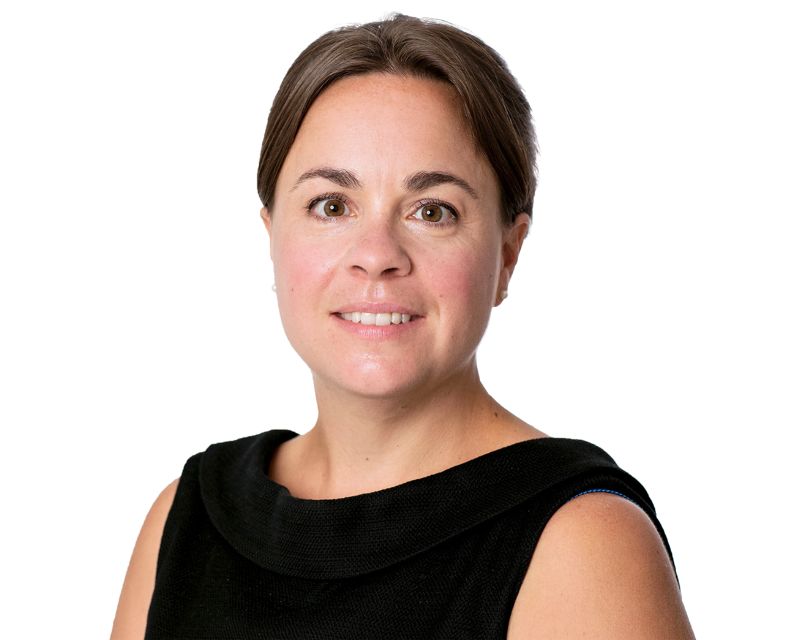
This week’s Citywealth Quick Insight Series on Trusts, Wills and Estates Disputes Trends is dedicated to Shams Rahman, Head of Contentious Trusts & Estates at Edwin Coe.

What leads families into litigation in trusts, wills and estates? In disputes involving trusts, wills or estates, what circumstances most commonly cause disagreements to move from private discussion into court proceedings?
Most cases do not start with someone announcing they are going to sue. Instead it’s usually suspicion and a lack of communication. It might be that a beneficiary feels something does not add up, or the distribution of an estate looks uneven. Sometimes it can seem that information is slow to arrive, or it arrives in a tone that feels defensive.
Once someone believes something is being hidden, even if it is not, that is when positions harden. Add grief, old rivalries, sibling dynamics or a sense of being overlooked, and private conversations can quickly tip into formal action which is where issues arise.
It is rarely one dramatic event. It is the slow build of misunderstanding and lack of clarity. When intentions are not clearly documented or explained, people create their own narrative – and that is often the point where discussion becomes litigious. Communication is everything.
Loss of confidence in fiduciaries. Across trustees, executors and personal representatives, which actions or decisions most often lead to removal applications or claims of breach of duty?
Outright dishonesty is rare. What we see far more often is a perceived lack of care. Beneficiaries may argue that trustees did not properly apply their minds, failed to take advice, or ignored relevant factors.
Discretionary distributions are a common flashpoint too. If one branch of a family receives funds and another does not, assumptions are made. It feels unfair. Those excluded often believe something improper has happened, even where the trust deed allows exactly that outcome.
Process and documentation is absolutely essential. If a fiduciary cannot show that they considered the right things at the right time, confidence evaporates pretty quickly.
Requests for documents and information. When beneficiaries or heirs seek access to documents or information about a trust, will or estate, how do fiduciaries’ responses influence whether concerns escalate into formal disputes or remain manageable?
Many contentious matters begin with a simple request for information. The way that request is handled often determines the entire trajectory of the dispute.
Under English law, different categories of beneficiaries are entitled to different levels of disclosure. That is not always understood, particularly in cross-border cases. If advisers come in aggressively demanding everything, and the response is equally defensive, positions entrench.
A clear, measured explanation of what can and cannot be disclosed, grounded in proper advice, can keep things contained. Silence, delay or poorly reasoned refusals are what tend to push matters towards court.
Administration under scrutiny. When fiduciary decisions are examined in court, which aspects of day-to-day administration most often attract criticism or legal challenge?
Courts focus less on whether a decision was perfect and more on how it was reached. Did the trustee consider relevant factors? Did they ignore irrelevant ones? Did they take professional advice where appropriate? Again, process is key here.
A common weakness is poor record-keeping. Even a sensible decision can look irrational if there is no evidence of the reasoning behind it.
In short, it is not just what you decide. It is whether you can show how and why you decided it.
Governance failures as a dispute trigger. How do weaknesses in governance contribute to disputes in trusts, wills and estates?
Weak governance creates fertile ground for conflict. Unclear decision-making authority, unmanaged conflicts of interest and patchy record-keeping all create uncertainty.
Succession within trustee organisations can also be problematic. If knowledge is not properly handed over, families may feel their wishes have been forgotten or misapplied.
Where professional trustees sit alongside lay family trustees, tensions can definitely intensify, sometimes dramatically and with consequences. The professional must act independently, even if family pressure is strong. That independence is essential, but it is not always comfortable.
Multiple families, divorce and changing relationships. To what extent do divorce, remarriage and children from different relationships increase the risk of disputes?
Significantly. Any time a new spouse enters the picture, family dynamics shift. People reassess what they believe they are entitled to. It upends everything, often against the backdrop of tricky family politics and dynamics.
We increasingly see situations where a new partner encourages a beneficiary to pursue a claim that might otherwise have been left alone. The new spouse may spot an opportunity and suddenly there’s a new claim.
Estate plans often fail to keep pace with these changing realities. Trusts drafted for one version of a family may not fit the next. That misalignment is a common source of tension.
Religious and cross-cultural legal expectations? How do differences between religious or cultural inheritance expectations and common law trust structures give rise to disputes?
In international families, assets are rarely in one place. You may have Islamic Sharia principles shaping expectations, English trust law governing structures, and assets and family members sitting in multiple jurisdictions. It’s something we’re working on more and more.
Tension arises where those systems do not align neatly. What one framework regards as an entitlement, another may treat as discretionary. Resolving those disputes requires not just legal knowledge, but coordination across jurisdictions and a real sensitivity to cultural context.
Family businesses, economic pressure and external change. How does the involvement of a family-owned business change the nature of disputes?
It adds another layer entirely. A business is a living asset. It must continue operating while relationships break down. But people often can’t separate the personal and professional. And if divorce, shareholder disputes and succession questions all collide, the stakes rise quickly and messily. Liquidity becomes an issue, or control becomes contested. It gets messy. In those situations, you often need interim governance solutions to preserve value while the personal disputes are resolved.
Older trusts and outdated structures. Do long-standing trusts that have not been reviewed tend to generate disputes?
Yes, particularly where family dynamics, tax regimes or asset profiles have changed.
A trust that was sensible 10 or 15 years ago may no longer reflect the family’s reality. If it has not been reviewed, beneficiaries may feel trapped by an outdated structure.
Regular review and advice is one of the simplest ways to reduce risk, yet it is often overlooked.
Sanctions, insolvency and creditor pressure. How do these external pressures increase the risk of disputes?
Sanctions can freeze assets and prevent distributions, leading beneficiaries to allege breach. In some cases, fiduciaries are caught between legal compliance and beneficiary expectation. Insolvency and creditor claims add further tension, particularly where trust assets intersect with personal liabilities, so there’s more risk. The current landscape doesn’t help, of course.
In a volatile geopolitical and economic climate, these external pressures are becoming more common and more complex.
Bonus question. Based on experience, what three actions should trustees or beneficiaries take to reduce the risk of escalation?
First, prioritise governance. Keep detailed records and take expert advice at the right time.
Always always communicate early and clearly. We often see that silence breeds suspicion.
And finally review structures regularly. Families change. Laws change. Trusts and estate plans need to change with them.
Edwin Coe’s Citywealth Leaders List profile
Key Takeaways
- The Citywealth Quick Insight Series on Trusts Wills and Estates Disputes Trends focuses on litigation triggers, emphasizing communication failures and misunderstandings.
- Loss of confidence in fiduciaries often stems from perceived carelessness rather than outright dishonesty, highlighting the need for proper process and documentation.
- Requests for information play a crucial role; defensive responses can escalate disputes while clear explanations can maintain peace.
- Weak governance leads to conflicts, especially when family dynamics shift through divorce or remarriage, creating uncertainty in decision-making.
- Regular reviews of trusts and processes are essential to avoid disputes, as outdated structures can lead to misunderstandings and legal challenges.
Subscribe to the Citywealth Weekly Newsletter to learn more about Private Wealth Management.
Read more:
Five-minute interview: Alison Broadberry, head of private client, Edwin Coe | Citywealth News
Edwin Coe grows Private Client team | Citywealth News
Citywealth Forum 2026 – Speaker: Morag Ofili, Edwin Coe LLP


Citywealth Leaders List, 60 second interview – Emily Dreas, Bank of America Private Bank
This week's 60 seconds Citywealth Leaders List interview is dedicated to Emily Dreas, Managing Director, Senior Market Executive at Bank of America Private Bank.
Private: Citywealth Leaders List, 60 second interview – Ipshita Bhuwania, 360 ONE Wealth
This week's 60 seconds Citywealth Leaders List interview is dedicated to Ipshita Bhuwania, Private Client Partner, 360 ONE Wealth.