Citywealth Quick Insight Series – Top 10 Tax Trends
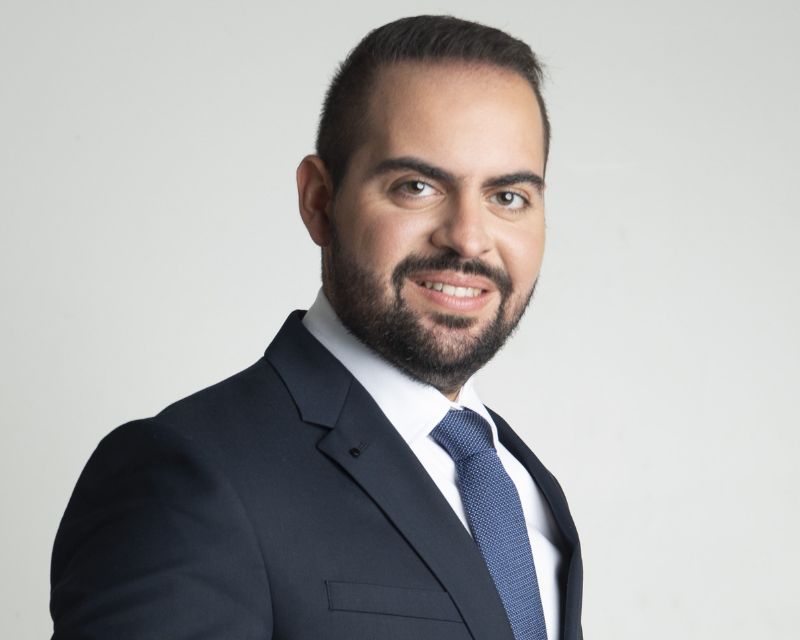
Morag Ofili, Barrister and Partner in the tax team at Edwin Coe, was named in the Citywealth Top 50 Tax Professionals List 2024 and is a speaker at their Forum 2026.

How would you summarize the current global tax environment for UHNW individuals and families in terms of top 10 tax trends? Are there particular jurisdictions that are becoming more (or less) attractive?
The global tax environment has never been more interconnected. We’re seeing a concerted effort by tax authorities to close perceived loopholes and increase transparency, which means UHNW individuals must now navigate a more data-driven, and coordinated compliance landscape. Jurisdictions like the UAE and Singapore continue to attract attention due to their relatively favourable regimes, but even these jurisdictions are under increasing international pressure to align with global tax norms. Meanwhile, traditional low-tax jurisdictions are losing appeal due to increased scrutiny. The UK, while still attractive for its rule of law and infrastructure, is becoming less predictable in terms of policy direction, especially around non-dom status and capital gains treatment.
What recent tax policy changes in key regions—such as the U.S., UK, EU, or Asia—do you believe have the most significant implications for global wealth structuring?
The UK’s decision to overhaul the non-dom regime is seismic, not just for existing non-doms but for the entire ecosystem of trusts, remittance planning, and international asset holding structures. In the U.S., ongoing debate around wealth taxes, increased scrutiny of offshore trusts, and the potential tightening of estate tax exemptions is causing clients to reconsider long standing structures. The EU is doubling down on substance requirements and anti-abuse rules. Across Asia and Africa, we’re seeing tax authorities focusing more on outbound wealth flows and using information exchange regimes to track overseas assets.
What are the emerging cross-border tax challenges facing wealthy international families today?
Key challenges include mismatched tax treatment of trusts and gifts between jurisdictions, navigating multiple residency rules, and the practical difficulties of managing compliance across borders. As wealth is passed down, families are also contending with different generations living in different tax systems, requiring structures that are both robust and adaptable over time. The margin for error is shrinking, and reputational risks are now just as important as financial ones.
How are advisors helping clients prepare for increased transparency, disclosure rules (like CRS and FATCA), and information-sharing regimes?
We’re focused on risk reviews, stress testing structures and reporting readiness. It’s important to ensure that clients’ legal structures align with their economic substance and disclosure obligations. There’s a renewed emphasis on clarity: understanding what’s been reported, where, and how. Clients are also being advised to document decision-making and maintain governance frameworks that stand up to scrutiny as authorities become more data-driven.
Were are also educating families on the reputational dimension of data sharing. What HMRC or the IRS sees is now just one part of the story; media leaks or inadvertent third-party disclosures are just as likely to cause damage. Technology and legal strategy are increasingly intertwined to help clients manage information flow, track risk exposure, and remain compliant while preserving privacy.
In what ways are philanthropic structures and charitable giving being shaped by evolving tax legislation and public policy?
Tax relief is no longer the primary driver of philanthropy, but it still plays a significant role in how structures are set up and maintained. Increasingly, we’re seeing jurisdictions tighten rules around acceptable charitable activities. This means careful design is needed to preserve the founder’s vision while maintaining regulatory compliance.
What role do tax-efficient investments (e.g., private placement life insurance, real estate, etc.) play in your clients’ strategies, and are these evolving?
Tax-efficient investments remain a critical component of long-term wealth preservation, especially as jurisdictions crack down on aggressive structuring. Private placement life insurance continues to be popular with internationally mobile clients, but regulatory scrutiny has increased, particularly around substance and genuine investment control. Real estate, especially in the UK and Europe, is being re-evaluated due to rising tax burdens, compliance costs, and reduced tax sheltering opportunities.
How is succession and estate planning being impacted by new inheritance, wealth, or exit tax proposals globally?
We’re in a period of heightened uncertainty. The UK’s approach to inheritance tax is a key concern for many clients and many different countries are looking at introducing or expanding wealth taxes, creating complexity for those holding local and offshore assets. These developments are leading families to revisit their succession strategies sooner and consider mechanisms like dynasty trusts, asset sales to family members, or pre-migration planning to de-risk transitions. The Great Wealth Transfer is truly underway.
Are you seeing increased interest in alternative jurisdictions, citizenship or residency-by-investment programs due to tax considerations?
Yes, but the focus has matured. It’s less about avoiding tax and more about managing lifestyle, mobility, and legal exposure. Families are exploring options that support succession plans and facilitate long-term residence in jurisdictions aligned with their values and structures. However, these decisions must be made alongside careful tax and reporting analysis to avoid unintended consequences.
We’re helping clients model different scenarios e.g., whether relocating to Portugal, the UAE or Italy actually reduces global tax exposure or simply changes the compliance burden.
How are tax authorities using digital tools, AI, and data analytics to enhance enforcement—and how should advisors respond?
Authorities are leveraging AI to cross-reference tax returns, asset registers, and even digital footprints. This means inconsistencies are more likely to trigger enquiry. Advisors must be proactive: reviewing structures, anticipating data points, and ensuring clients’ reporting matches the underlying facts. The emphasis now is on audit-readiness, even for those who consider themselves fully compliant.
Looking forward, what are your top predictions or concerns about the future direction of global tax policy for UHNW clients over the next 12–24 months?
The current trend appears to be towards wealth taxation, in various forms—whether through direct levies, broader anti-avoidance provisions, or restrictions on tax deferral mechanisms.
I expect continued erosion of traditional tax havens and a further tightening of cross-border information flows.
There may also be opportunities in new bilateral treaties, green investment incentives, and more nuanced treatment of family offices. Ultimately, the next two years will reward those who prepare not just legally, but strategically. Clients will need to think not just about tax savings, but about resilience, governance, and how best to prepare successors for what’s ahead.
You may also like to read about why the wealthiest families are falling apart
And the global wealth migration shake up
Meet wealth professionals at our Forum
Read more about tax
- Citywealth Quick Insight Series – Top 10 Tax Trends
- Tax Reform Turmoil: Global Shake-Up Raises Questions for Trustees, Families and Philanthropists
- Urgent Global Tax Reforms: What You Need to Know
- Tax, Tax and More Tax (UK Budget Rumour Mill)
- UK Taxation: Not So Bad After All
- Dubai – Where East Meets West (Tax Planning for UHNW Relocation)
- Citywealth Top 50 Tax Professionals 2024
- Citywealth Top 100 Global Tax Professionals 2023
- Interview: Anthony Whatling, Alvarez & Marsal Tax
- Speaker Spotlight: Morag Ofili, Edwin Coe – Tax Investigations

Top 10 wealth trends
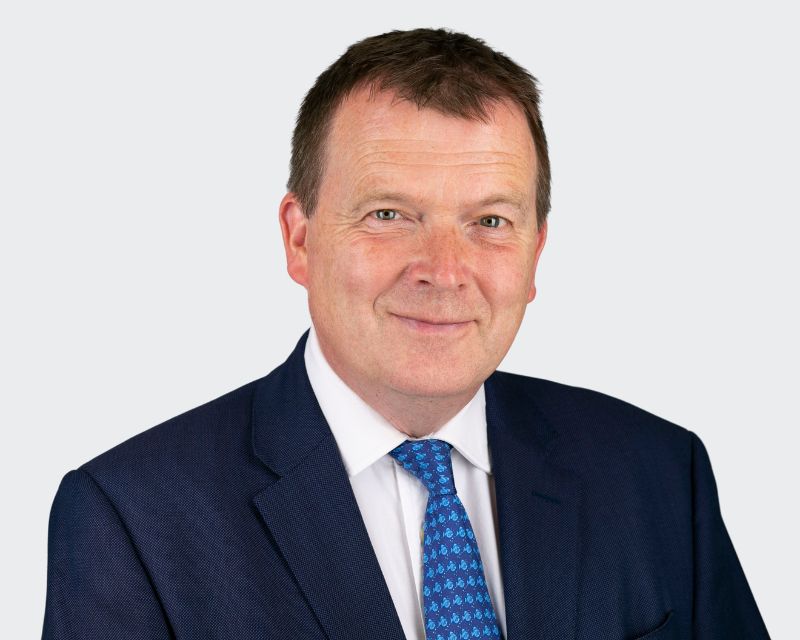
Top 10 wealth trends with Robert Kitchen - CEO, Brown Shipley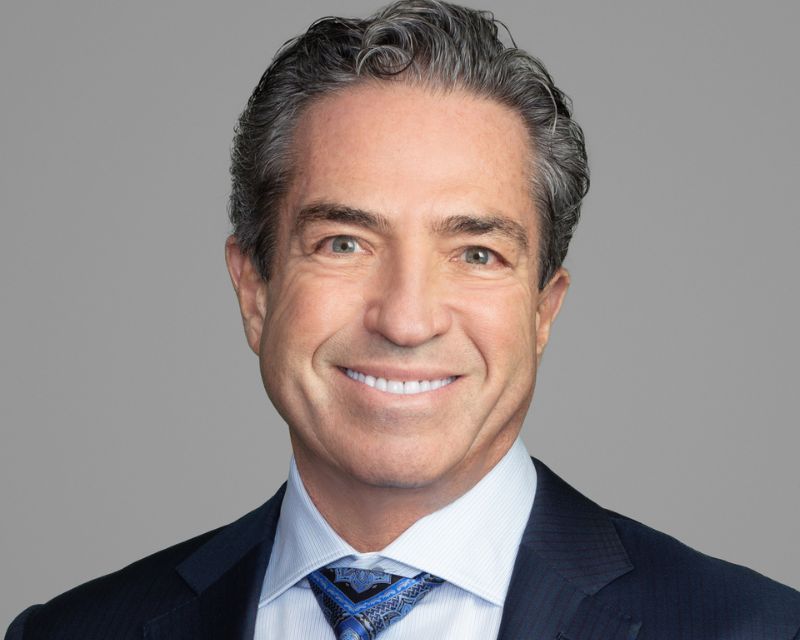
Citywealth: Family, Wealth Management, and the Power of Planning
Quick insight series with Joshua Rubenstein, Partner, National Chair, Private Wealth at Katten Muchin Rosenman