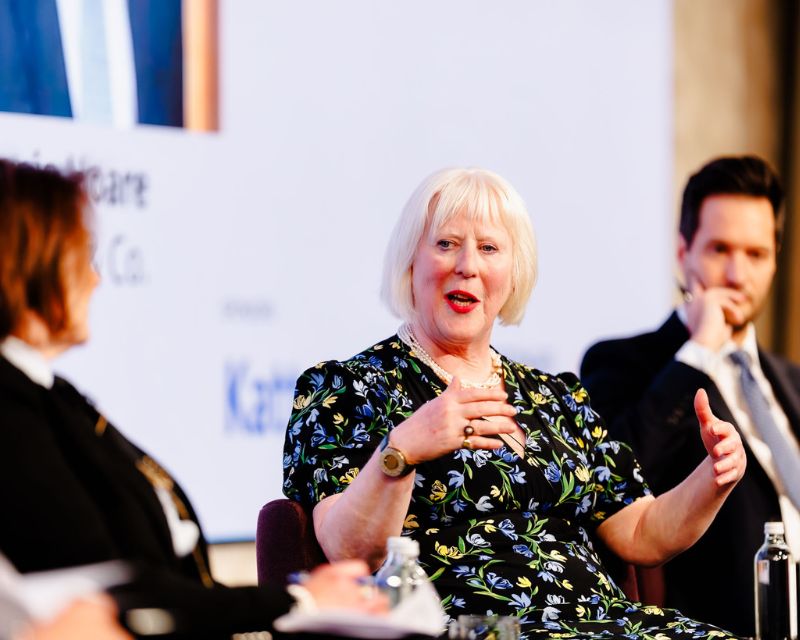
Citywealth Forum 2026 Speaker spotlight: Nataša Williams, Co-founder and CEO, Cadro
Nataša Williams set out how investment conversations are shifting in practice: clients are arriving younger, more informed and with stronger views, while trustees are being asked to respond to broader investment demands without losing sight of their core responsibilities.
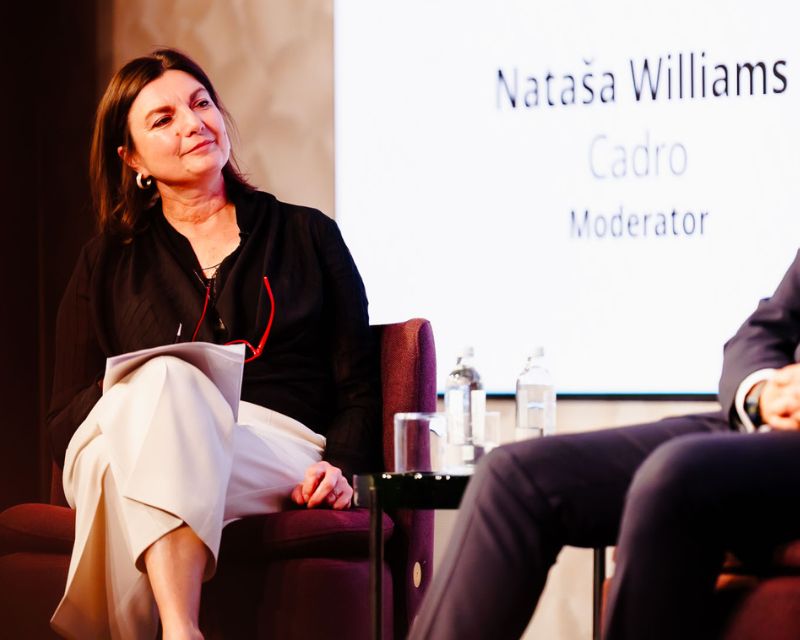
Opening the Citywealth Forum panel, Nataša Williams framed the discussion around a simple but important shift.
The investment landscape is not just being reshaped by markets, but by the people within it. Clients today are younger, more engaged and far more involved in decision-making. They are also coming into wealth in different ways, not only through inheritance but through earlier business exits, particularly in technology.
At Cadro, she noted, this is already visible in the numbers, with an average client age significantly lower than the traditional private wealth model.
The push towards “modern portfolios”
That change is feeding directly into portfolio construction.
Williams pointed to a growing expectation from clients for what she described as “modern portfolios”: broader, more flexible and open to newer investment ideas. These include both traditional asset classes used in different ways and newer areas such as digital assets and thematic strategies.
Alongside this, she highlighted the increasing volume of opinions clients bring into conversations, from crypto to passive versus active investing, often formed before they speak to an adviser.
More information, less clarity
One of her more pointed observations was that access to information has improved, but its quality has not always kept pace.
Clients are more knowledgeable than before, but not necessarily better informed. In practice, this means advisers are often addressing views shaped by partial or unreliable sources, which can complicate discussions rather than simplify them.
Pressure on trustees
While client expectations are evolving, Williams was clear that the role of trustees has not changed.
Their duty remains to deliver outcomes for beneficiaries. What has changed is the level of pressure around that task. A wider range of asset classes, more vocal clients and greater scrutiny over decisions all contribute to a more demanding environment.
Trustees are expected to engage with new ideas while maintaining discipline, often within families where views on risk and investment differ significantly.
Two types of wealth transition – inheritance and younger wealth creators
She also drew a useful distinction between different types of wealth transfer now taking place.
Alongside traditional inheritance, there is a growing group of younger wealth creators who have already realised capital through business exits. These individuals approach investment differently, often with greater confidence and stronger views about how their money should be used.
The result is a more varied client base, with different expectations sitting side by side.
ESG and generational tension
This plays out most clearly in attitudes to ESG and responsible investment.
Williams noted that younger clients tend to prioritise sustainability and social impact more strongly, while earlier generations may focus on capital preservation and performance.
That difference is not theoretical, it directly affects portfolio choices, sometimes limiting investment universes and creating tension within families.
Managing difficult conversations
Her tone here was practical rather than theoretical. These are not straightforward discussions.
Different generations often approach wealth with different assumptions, and finding common ground requires more than technical advice. It involves ongoing dialogue, education and, at times, compromise.
From entrepreneur to investor
She closed by highlighting a transition that is often underestimated.
Moving from creating wealth to managing it is not a natural progression. Entrepreneurs who are used to control and decisive action are suddenly operating in a more structured, advisory-led environment, one that can feel restrictive.
Helping clients navigate that shift is now a central part of the role.
Key Quotes
“Who is investing, what they are investing in, and how they are interacting is changing.”
“Clients would like to have modern portfolios.”
“There are lots of opinions about things like crypto.”
“Clients are increasingly younger, more sophisticated, better informed but not always from quality sources.”
“We are at the beginning of a massive wave of intergenerational wealth transfer.”
“These conversations with wealth creators are not simple. The journey from entrepreneur to investor is a tough journey.”
Moderator:
Nataša Williams, Co-founder and CEO at Cadro
Speakers:
Alex Hulkhory, Hottinger Group
Nyah Duffy, Buzzacott
Simon Voisin TEP, Coriats
Subscribe to the Citywealth Weekly Newsletter to learn more about Private Wealth Management.

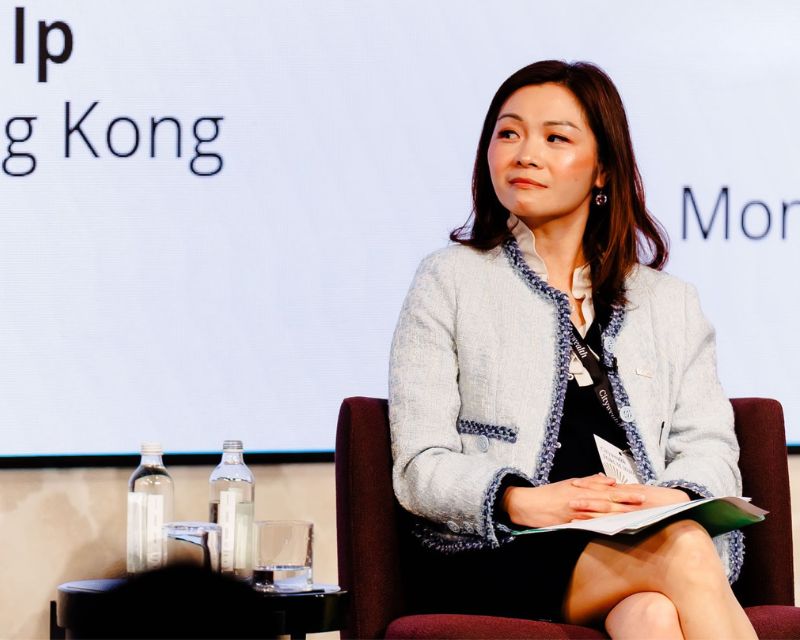
Citywealth Forum 2026 Speaker spotlight: Daisy Ip, Head of Investment Promotion, Invest Hong Kong
Daisy Ip focused on Hong Kong’s rapid growth as a global wealth hub, highlighting the expansion of family offices, government incentives and the increasing demand for diversification. She positioned Hong Kong as a gateway between East and West, combining tax simplicity, legal familiarity and access to Asian markets.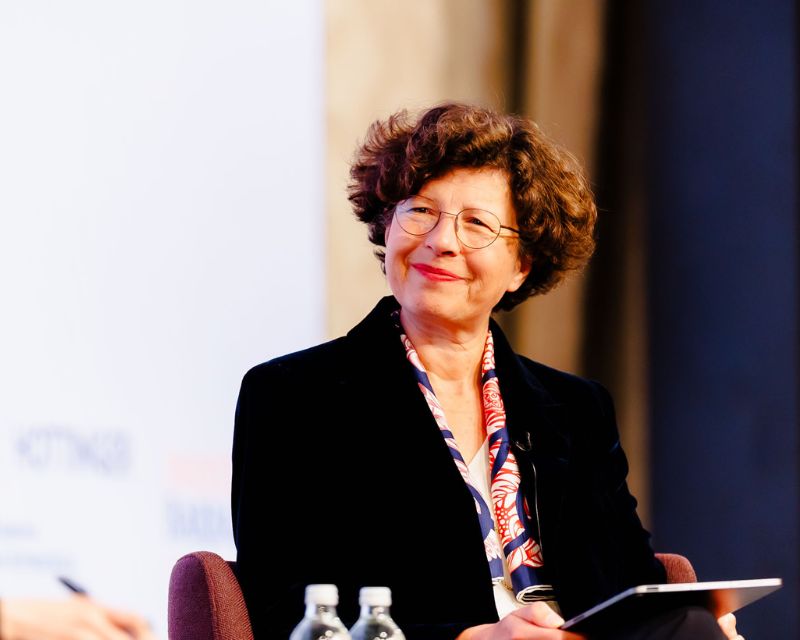
Citywealth Forum 2026 Speaker spotlight: Magali Jacquet Lagrèze, Member of AMAF (Monaco Association for Financial Activities)
Magali Jacquet Lagrèze framed Monaco’s appeal through a client example, rather than abstract positioning.