America Through the Lens of Robert Frank
On the 100th anniversary of the birth of influential photographer, we revisit his landmark photo book, ‘The Americans’.
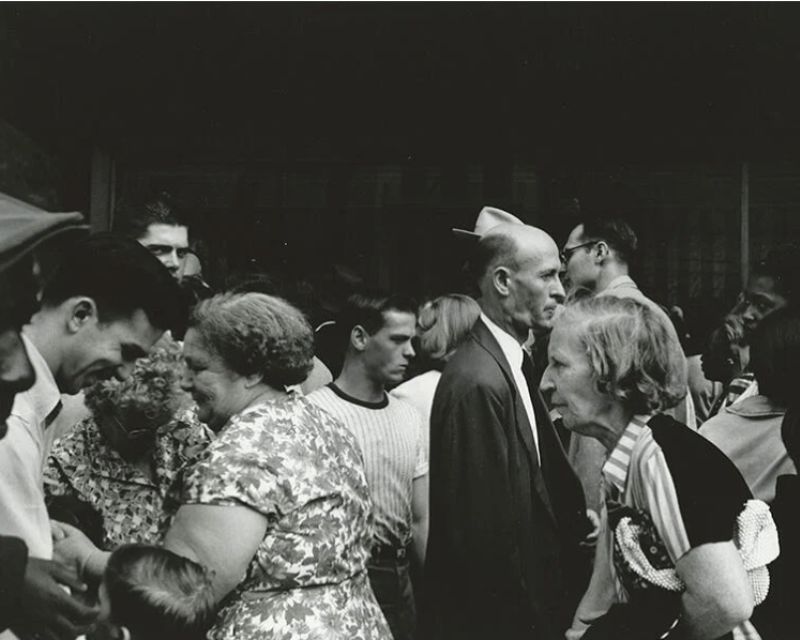
Robert Frank at 100: in the last years of his life, it seemed a plausible enough prospect. So many great, mid-20th-century photographers appear to have been blessed with a more or less productive longevity, not quite explained by active lives spent hefting around camera equipment. For a long time, it was possible to be surprised that some legend of the medium was still going, perhaps still making work, or had died only recently, within what felt like the compass of the contemporary. Henri Cartier-Bresson, William Klein, Helen Levitt and Irving Penn all lived into their 90s, dying in a new century whose vantage made their best-known images seem like monuments we walk past every day. We might say the same about Frank, who died in 2019, aged 94, six decades after the publication of his most famous work. Except that Frank had long ago killed off the young photographer who made The Americans (1958), and become several different artists instead.
His ultimate subject, forced upon him too early by certain intimate losses – the accidental death of his daughter, the mental illness and suicide of his son – was the shape of a life: its creative lineaments, quotidian horizons, points of retrospect and regret. Yet, there was never anything truly melancholic about Frank’s art, which throughout maintained the lightness of a photograph he took in Paris, aged just 25: a folding chair in the Tuileries Garden (you can tell the location from adjacent shots) that is poised like a dancer en pointe, an homage to Edgar Degas in dilapidated metal and wood (Tree and Chair, Paris, 1949). Delicacy may not be the first thing one associates with the photographer of The Americans and the director of the suppressed Rolling Stones documentary Cocksucker Blues (1972). But the wry poise of the Paris photograph was still present many decades later in Frank’s images (static and moving) of crows in the snow at his house in Nova Scotia, or the light as it slanted across dusty snapshots and other artefacts in his studio on Bleecker Street, New York. In between, there had been the adventure of becoming Robert Frank, then leaving that phenomenon behind.
Frank may be unique among the celebrated photographers of his era for having so thoroughly trashed everything that made his name. It was partly a matter of moving from photography to film. Of course others, such as Levitt, had given up photography to make films for a time or, like Klein, combined the two. A desire for new media or milieus, a turn towards ephemeral or ‘unartistic’ forms: none of this is unusual in a long photographic career. The informality of a late style is often bracing or simply beautiful, as in the Polaroids of André Kertész and Walker Evans. But Frank’s disavowals – of the fashion photography that eased his entry onto the American scene, of the style and success of The Americans and all it made possible – are of a different order. By the time he came back to photography, he was no longer Robert Frank, and photography itself had become something else, an imperfect support for diaristic fragments and (in time) abject memorials. Robert Frank at 100: a chance to ask if the photographer it seemed he had been at first was ever really there at all.
BY Brian Dillon
Subscribe to the Citywealth Weekly Newsletter to learn more about Private Wealth Management.
Read more:
Insurance Can Be Used to Complement a Trust Strategy | Citywealth News
Digital Assets and PPLI Explained | Citywealth News
Private Placement Life Insurance | Citywealth News

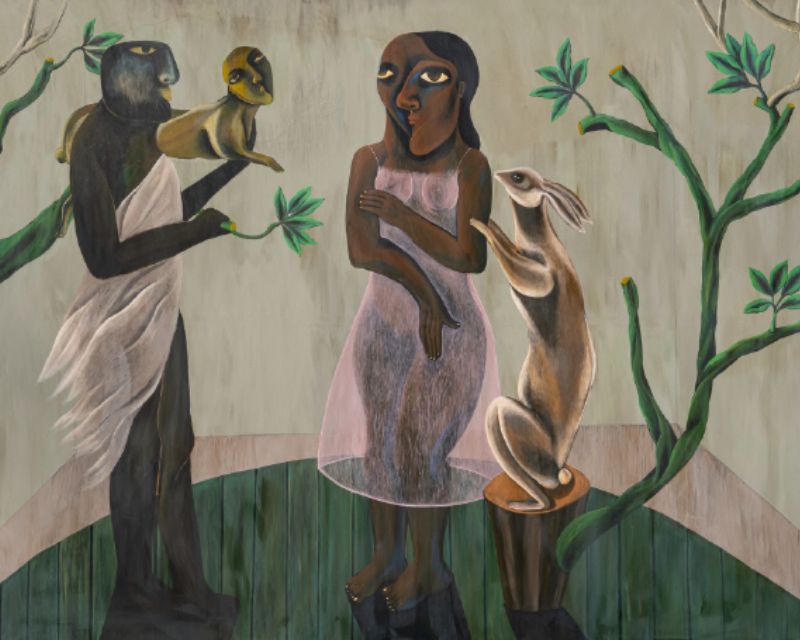
1-54 Contemporary African Art Fair Unveils Modern Spotlight for Its 14th London Edition
West Wind, curated by Dr. Nancy Dantas, complements this year's gallery line-up in a fair built on depth and ambition.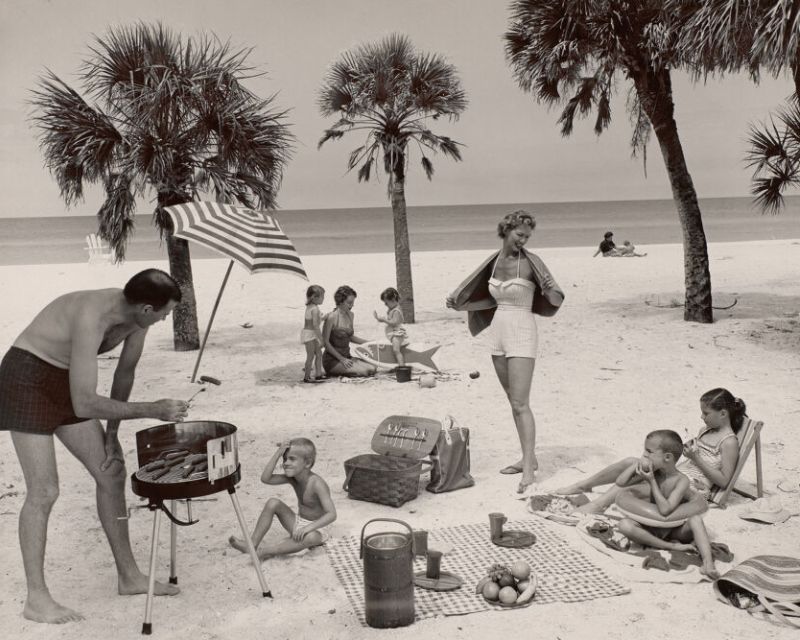
The Way We Never Were: The American Professional Photographers Collection
August 29, 2026–May 9, 2027, University Research Gallery, Harvard Art Museums.