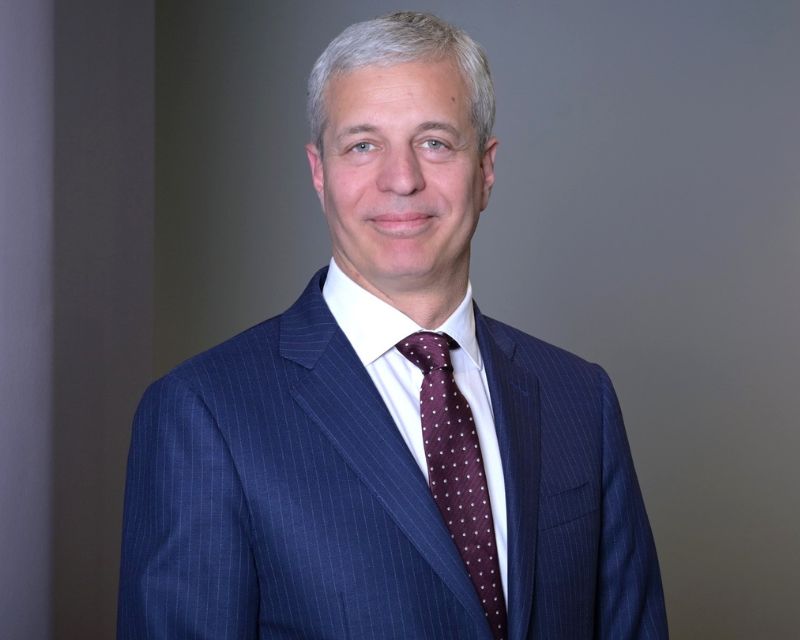
Citywealth Quick Insight Series on Wealth Trends – Yogesh Dewan, Hassium Asset Management
This week’s Citywealth Quick Insight Series on Wealth Trends is dedicated to Yogesh Dewan, CEO of Hassium Asset Management.
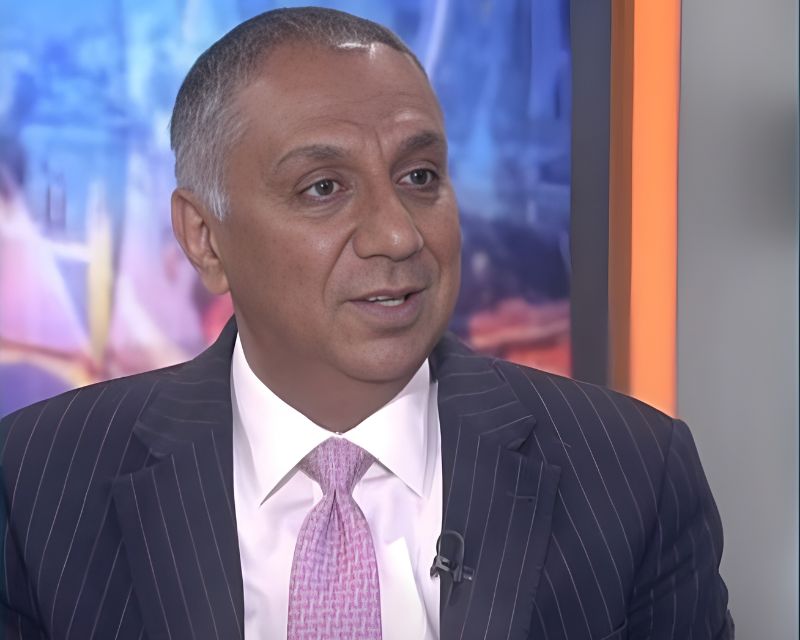
What is your assessment of the current global political landscape and its impact on wealth management strategies?
Wartime predictions are impossible. Oil prices will stay high leading to inflation with rate hikes now being priced in the US +0.2x, UK +2.5x and Europe +2.4x hikes by year end. An overvalued USD will stay stronger for longer. Investors should be diversifying FX exposure. Beware of the private credit markets which seem to have an AI bias, poor liquidity, with rates higher for longer. The short-term impact on China and Japan will be more significant with their reliance on imported energy. During this period, we have not seen panic selling, equities are looking more resilient than the news suggests, Treasuries, gold and silver have sold off.
In your opinion, how have recent policy shifts in major economies like the US, EU, China affected the long-term stability of private wealth?
We have seen families relocate on the back of taxation, immigration policies, and geopolitical risk.
This has had limited impact on how families grow and preserve their wealth long term. Policy shifts impacting on inflation, rates and currencies has impacted on asset allocation decisions.
As we continue to navigate uncertainty in global markets, how are wealth managers adjusting their strategies to preserve and grow clients’ wealth?
Stay invested and be diversified. We remain underweight risk assets while we continue to monitor the situation. As long-term investors we will look to allocate to risk when we see signs of recovery. Concerns about an AI bubble and elevated equity valuations remain secondary. In fixed income stay short dated (carry over cash).
How important is diversification in a post-pandemic world, and which asset classes are your clients focusing on?
This remains a fundamental principle of investing long term.
Asset allocation and currency allocation decisions drive circa. 70% of an investment portfolio long term returns.
Clients are focused on global equities, bonds, USD exposure and illiquid assets such as real estate, credit and private equity.
Gold has just been a provider of liquidity and is not a safe haven asset or inflation hedge.
Avoid crypto currencies/bitcoin.
Sustainability investing has gained traction over the past few years. How are you seeing it affect the portfolios of high-net-worth individuals, and is this trend sustainable?
This was a very fashionable trend several years back but has gained limited traction due to confusion, miscommunication, and greenwashing. How can you avoid China (human rights issues) when most US, European and Japanese companies have significant revenue exposure to the region. Shell as a major oil producer is also one of the biggest investors in alternative energy sources. Should you invest? The carbon footprint of my client’s spot car is better than the carbon footprint of his son’s electric car.
What are the emerging risks and opportunities that wealth managers should be most aware of?
We are marginally overweight the US supported by GDP growth of +2.0%, inflation +2.4% with 0.2x rate hikes now priced. Markets are still pricing double-digit US earnings growth +16.3% and revenue growth +8.3% for CY2026. We are also overweight Europe and the UK with the regions benefiting from less technology exposure, with defensive and value sectors outperforming. Our longer-term outlook for China and Japan remains constructive supported by export led growth and increased fiscal spending despite their reliance on imported energy.
How have the needs and expectations of private clients evolved in recent months? Are there any new priorities or concerns they are expressing?
Yes investors have become risk averse due to geopolitical uncertainty around US-Isreal-Iran. This has impacted on global equities, currencies and government bond allocations. We would encourage investors to stay long term focused and look at any sustained sell off as a buying opportunity.
In what ways are clients seeking more personalized wealth management services, and how are you meeting those needs?
Face to face time is crucial. This can only be done if the institution you are working with is servicing fewer clients.
Bespoke reporting to better understand your investments and where risks lie. Education, education, education – private families need to understand what is noise and what is real in terms of news and events. Families always need a degree of reassurances and over communication during volatile periods.
With the rise of digital, how are private clients responding to this? Are there any new technologies or platforms that are making a significant impact on how private wealth is managed or delivered?
AI usage has increased with private families asking more questions to better understand their structuring, taxation, investments and risk. Banking operational platforms and their jurisdiction are better understood and becoming more important. Cost associated with custody, trade and execution are becoming more transparent. Private banks and investment managers are having to spend more money on technology, regulation and compliance.
Human capital and resource allocation remain important drivers of technology utilisation and what happens at the client interface.
Yogesh Dewan’s Citywealth Leaders List profile
Hassium Asset Management’s Citywealth Leaders List profile
Subscribe to the Citywealth Weekly Newsletter to learn more about Private Wealth Management.
Read more:
Hassium MFO: Macro view of Russia | Citywealth News
Financial Advisory Firm of the Year: Winner: Brooks Macdonald | Citywealth News
Financial Advisory Firm of the Year: Winner: Brooks Macdonald | Citywealth News

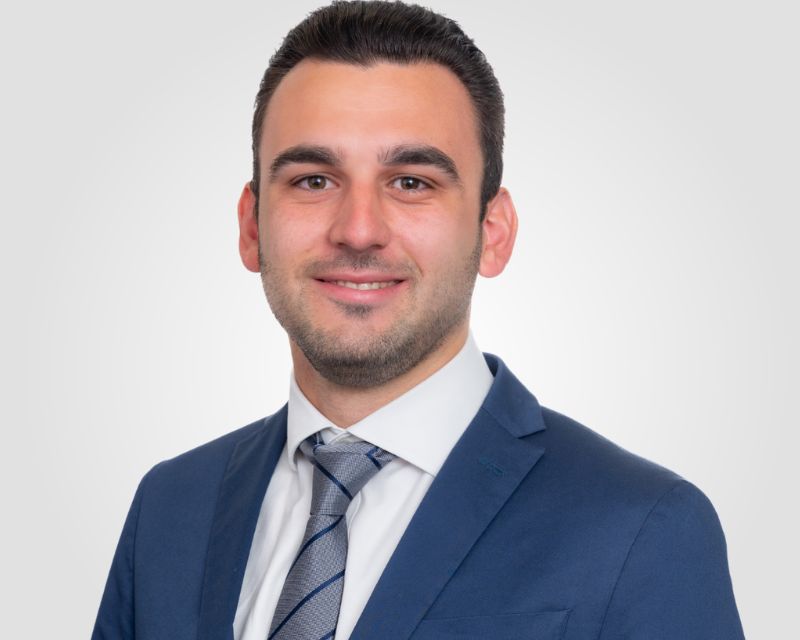
Citywealth Quick Insight Series on Sustainability Trends in Wealth Management – Simone Borsetti, MainStreet Partners
This week's Citywealth Quick Insight Series on Sustainability Trends in Wealth Management is dedicated to Simone Borsetti, Research Associate at MainStreet Partners.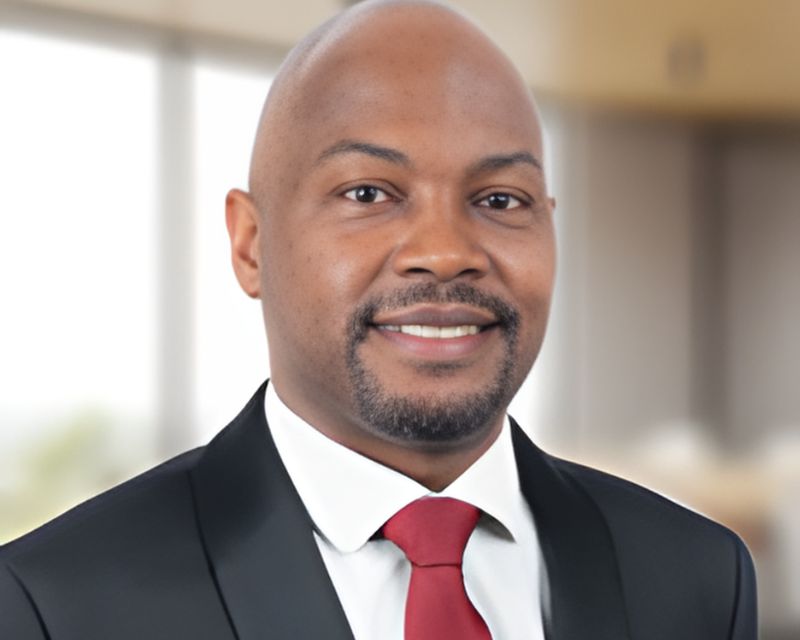
Citywealth Quick Insight Series on IFC Trends – BVI – Christopher Simpson, O’Neal Webster and BVI Finance Board
This week's Citywealth Quick Insight Series on IFC Trends is dedicated to Christopher Simpson, Partner at O’Neal Webster.