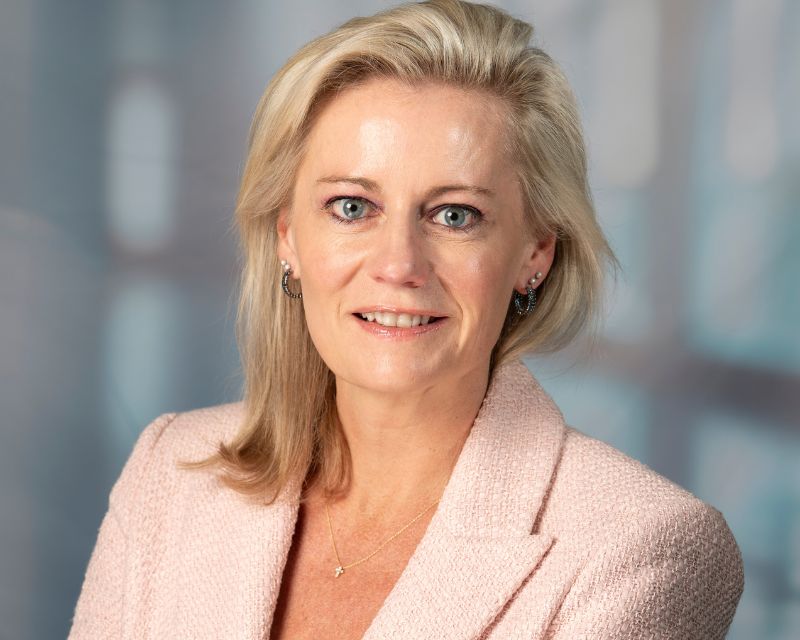
Citywealth Quick Insight Series on Wealth Trends – Daniele Antonucci, Quintet Private Bank
This week’s Citywealth Quick Insight Series on Wealth Trends is dedicated to Daniele Antonucci, Co-Head of Investment & Chief Investment Officer at Quintet Private Bank.
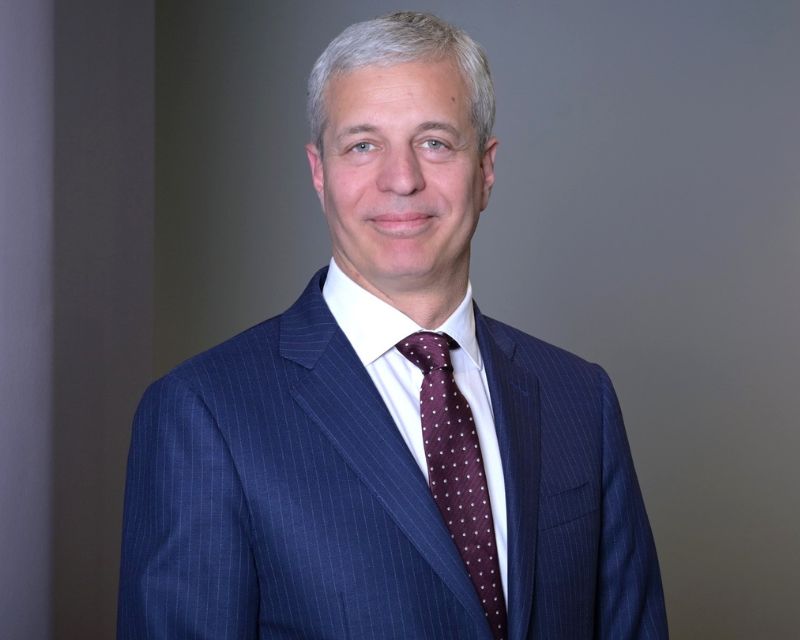
What is your assessment of the current global political landscape and its impact on investment strategies?
Markets started the year on a solid footing, but the recent US-Israel strikes on Iran – and Iran’s military retaliation – has triggered volatility, including fears of prolonged higher oil prices and a weaker global outlook. Although corporate earnings growth remains resilient, oil-related inflation concerns and geopolitics have reemerged as the dominant source of uncertainty, overshadowing otherwise constructive economic momentum.
At Quintet, including at Brown Shipley in the UK, we plan rather than react, using scenarios and stress tests. Our advice remains consistent: avoid reacting to headlines. History shows markets typically recover after geopolitical shocks, and diversification across regions and asset classes remains the most effective defence.
In your opinion, how have recent policy shifts in major economies like the US, EU and China affected the long-term stability of private wealth?
Recent policy shifts across the US, EU and China injected greater uncertainty into the long‑term stability of private wealth. In 2025, the US‑China trade standoff escalated, culminating in broad US tariffs amid slowing global growth, persistent inflation and rising public debt. A softer dollar pushed investors toward gold, digital assets and other diversifiers.
Despite volatility, however, fundamentals improved as fiscal stimulus, declining central bank interest rates and steadier policymaking proved supportive. More predictable US‑China negotiations have also helped sentiment. Looking ahead, an expected temporary hike in the US global import tariff – from 10% to 15% – could introduces fresh uncertainty for some time.
As we continue to navigate uncertainty in global markets, how are wealth managers adjusting their strategies to preserve and grow client wealth?
As I mentioned earlier, we encourage clients to avoid reacting to headlines and instead stay invested and diversified across regions and asset classes. History supports this approach: more than 80 years of data show that while markets may dip in the immediate aftermath of geopolitical shocks, equity returns six and twelve months later tend to align with long‑term averages.
Diversification remains more effective than trying to time events – weakness in one area, such as equities during periods of geopolitical tension, is often offset by strength in others, like commodities. We remain confident in our strategic positioning while continually seeking opportunities and managing emerging risks.
How important is diversification in a post-pandemic world, and which asset classes are you focusing on?
Diversification across asset classes and geographies remains essential. We are moderately underweight bonds and overweight equities, with a tactical tilt toward emerging market equities and, depending on the specific strategy, European and UK equities, where valuations are more compelling.
Emerging markets benefit from a gradually weakening dollar and offer differentiated AI exposure through China, Taiwan and South Korea, while Europe provides access to defence and infrastructure themes and the UK a more defensive exposure. We have recently added attractively valued small caps – 60% in the US, with the balance in Europe, the UK and Japan – funded by reducing US large‑cap exposure. We have also increased gold on geopolitical risks and diversified fixed income through emerging-market local‑currency bonds, financed by trimming US Treasuries and UK gilts.
What is the outlook for sustainable investing, including among high net worth clients?
The appetite for sustainable investing among HNWIs has grown steadily as investors seek to align portfolios with personal values and recognise the long‑term benefits of strong environmental, social and governance practices. While sentiment toward ESG has shifted since 2022 – first driven by the energy shock following Russia’s invasion of Ukraine and then by renewed political pushback in the US – it’s important to keep short‑term swings in context.
ESG integration remains a disciplined way to assess risk and uncover opportunities that traditional metrics may miss. Younger investors, especially millennials, are accelerating this trend. With significant wealth set to transfer to the next generation over the coming decade, demand for sustainable strategies is likely to strengthen further. Rather than a one-size-fits-all approach, our range of solutions allows clients to choose the degree of sustainable investing in portfolios.
What are the emerging risks and opportunities that investors should be most aware of?
After decades of US-centric globalization, the world continues to shift toward a more multipolar landscape. This transition brings greater divergence in economic outcomes and less predictable market dynamics. Investors must adapt – identifying opportunities and managing risk in an environment where traditional patterns no longer apply.
Key structural forces reshaping markets include aging populations, rising sovereign debt and geopolitical fragmentation. These trends imply higher funding costs and greater differentiation across asset classes and geographies.
Artificial intelligence is another key theme that will profoundly reshape economies over the coming decades. While valuations are elevated, they are underpinned by strong earnings. That said, to mitigate concentration risk from large US tech holdings, we hold “insurance” strategies designed to appreciate if equities decline. In addition, we have increased our exposure to more attractively valued US sectors, such as financials and industrials, which could benefit from deregulation and stimulus.
How have the needs and expectations of private clients evolved? Are there any new priorities or concerns they are expressing?
As I mentioned, AI is a dominant area of emerging interest – both as an investment theme and a tool for better service.
From an investment standpoint, interest in AI‑related opportunities remains strong, and we believe the AI rally still has further to run. Organisationally, we laid the foundation in 2025 to significantly expand the use of AI to collaborate more effectively and better meet client needs. This includes automating certain routine tasks and enabling more personalised client experience – freeing up time to create greater value for both clients and colleagues. Over time, we expect AI to become a key enabler of our broader innovation agenda, helping us deliver smarter, faster and more client-centric services across the organisation.
What other priorities are you seeing among clients?
We are seeing growing demand for access to private markets. In response, last year we introduced integrated private‑markets exposure as a core element of multi‑asset portfolios for relevant clients of our EU business, with the UK to follow later this year. This makes Quintet one of the first private banks in Europe to offer such access within a fully managed portfolio.
Alongside allocation to equities, fixed income and commodities, relevant clients benefit from actively managed exposure to a diversified set of alternative assets – including private equity, private credit and real assets – through carefully selected evergreen private‑markets funds. This enhanced approach opens the door to opportunities that were once limited to institutional investors, particularly those aligned with long‑term structural themes such as digitalisation, demographic shifts and deglobalisation. This innovative capability was developed in partnership with BlackRock, the world’s leading asset manager, ensuring our clients benefit from deep expertise and institutional‑grade access.
Subscribe to the Citywealth Weekly Newsletter to learn more about Private Wealth Management.
Read more:
Citywealth Future Leaders Awards 2025 – Winners’ Tribute
Citywealth Weekly: 14th January 2026
Citywealth Weekly: 21st January 2026
Bentley Reid announces two senior appointments
60 seconds: Kevin Andrews, Bentley Reid
Citywealth Quick Insight Series on Wealth Trends

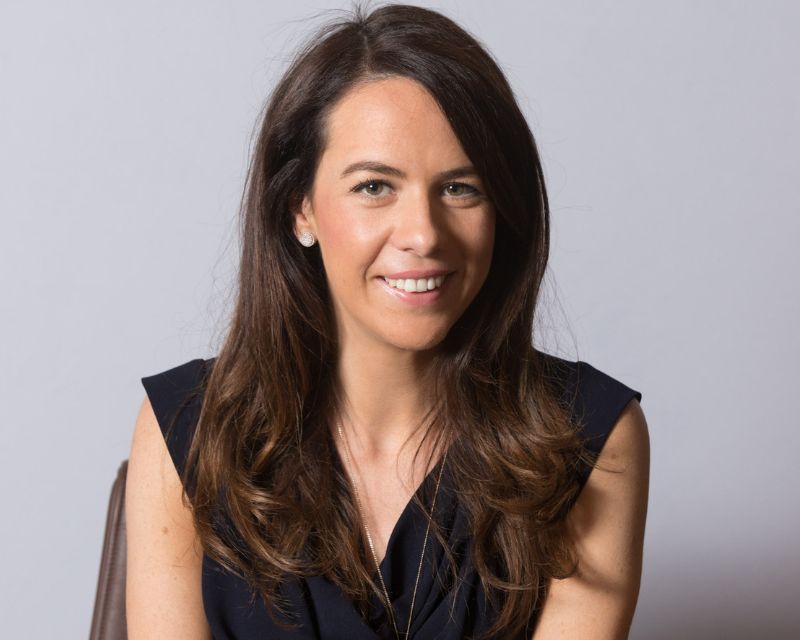
Citywealth Quick Insight Series on Tax Trends – Anna Warren, Bentley Reid
This week's Citywealth Quick Insight Series on Tax Trends is dedicated to Anna Warren, Tax Director at Bentley Reid, financial planning, tax advice, and investment management.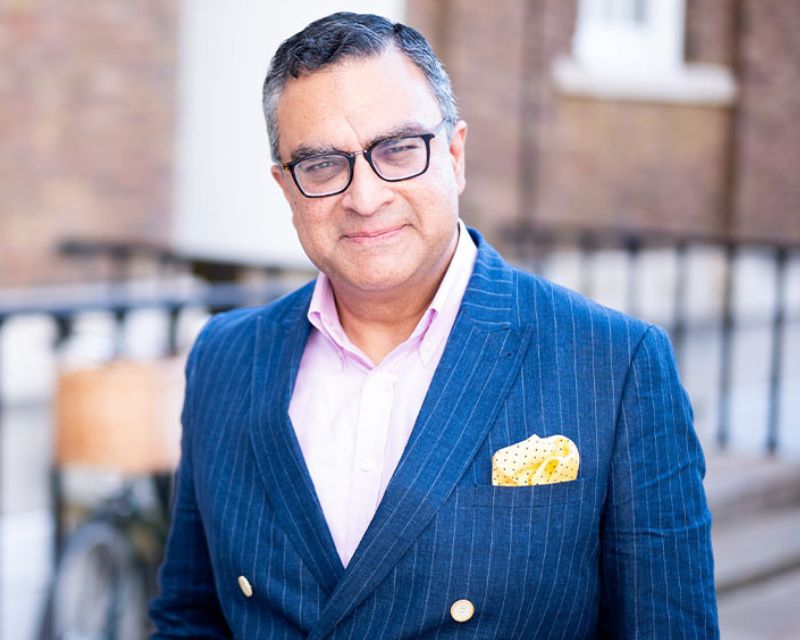
Citywealth Quick Insight Series on Trusts, Wills and Estates Disputes Trends – Shams Rahman, Edwin Coe
This week's Citywealth Quick Insight Series on Trusts, Wills and Estates Disputes Trends is dedicated to Shams Rahman, Head of Contentious Trusts & Estates at Edwin Coe.