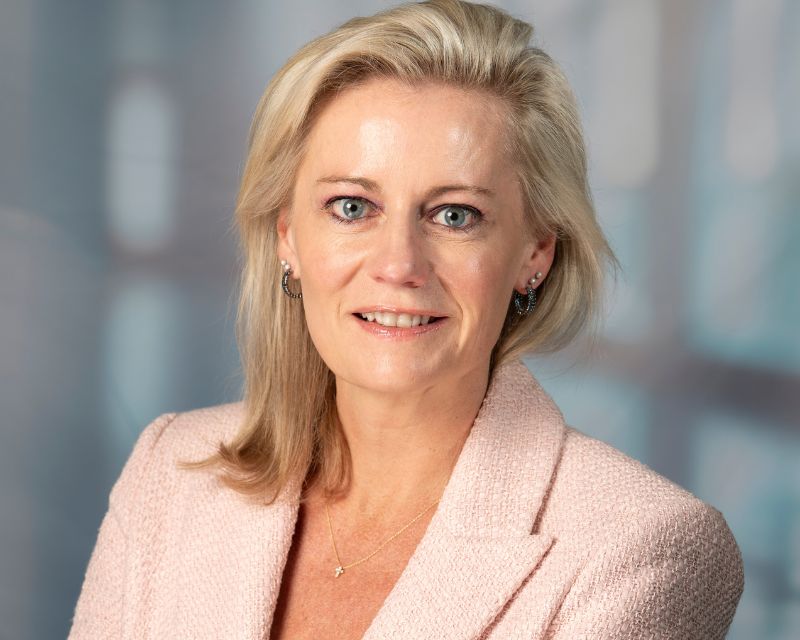
Citywealth Quick Insight Series on Wealth Trends – Karim Chowdhury, Nedbank Private Wealth
This week’s Citywealth Quick Insight Series on Wealth Trends is dedicated to Karim Chowdhury – Head of Private Banking – Isle of Man at Nedbank Private Wealth.
What is your assessment of the current global political landscape and its impact on wealth management strategies?
The world currently feels like it’s in a constant state of flux. Geopolitics used to move in cycles but now it can feel as if everything is happening everywhere, all at once. That’s what our clients tell us, and that uncertainty can feel unsettling. But it’s also the reality we all live and work with and is now the new norm.
The answer isn’t to chase every headline. Instead, it’s about staying grounded with a clear plan. You need to know what you’re working towards before you decide how to invest. When your strategy is anchored to your long‑term goals, short‑term noise becomes much easier to manage.
In your opinion, how have recent policy shifts in major economies like the US, EU, China affected the long-term stability of private wealth?
New tariffs, tax reforms or regulatory moves, the list goes on. There’s no doubt these have created more questions for private clients. The biggest impact is often the uncertainty they introduce.
But uncertainty doesn’t automatically mean instability. Long‑term wealth tends to endure if portfolios are built with resilience in mind. That means spreading risk across regions and asset classes, and avoiding the temptation to react too quickly when policy changes make the news.
Policy shifts may create bumps in the road, but they also create opportunities for disciplined, long‑term investors.
As we continue to navigate uncertainty in global markets, how are wealth managers adjusting their strategies to preserve and grow clients’ wealth?
US exceptionalism has been a key aspect driving equity returns up until 2024 but that’s changed in 2025. Across the industry, there’s a stronger focus on keeping portfolios genuinely global. We’re seeing less reliance on a single region or market, and more emphasis on balance, not just in asset classes, but in geography too.
Taking a global view helps smooth out the ups and downs and positions clients to benefit from opportunities wherever they arise, not just close to home.
How important is diversification in a post-pandemic world, and which asset classes are your clients focusing on?
Diversification has always mattered, but in today’s world, it’s absolutely essential. It means you can lean into different markets when necessary. When markets are unpredictable, spreading your risk is one of the most effective ways of protecting wealth.
Clients are increasingly drawn to well‑balanced, multi‑asset portfolios that combine public markets with carefully selected alternatives. These asset classes can offer different return drivers and help strengthen the overall resilience of a portfolio.
Sustainability investing has gained traction over the past few years. How are you seeing it affect the portfolios of high-net-worth individuals, and is this trend sustainable?
I think there will always be appetite for sustainable investing among certain clients, but it’s not for everyone. Whether that’s from younger clients who think carefully about the impact their wealth has, or clients who have strong philanthropic values and want their investments to reflect that.
What are the emerging risks and opportunities that wealth managers should be most aware of?
One of the biggest shifts we’re watching is the rapid advance of technology, especially AI. It opens up fantastic opportunities for better research and in-depth analysis, but it also increases the risk of people trying to ‘do it themselves’ using tools that don’t understand their personal circumstances. It’s not something we’d ever recommend trusting completely with your wealth.
We’re also seeing clients wanting more digital communication, but with the reassurance of human guidance. Balancing both is becoming increasingly important.
How have the needs and expectations of private clients evolved in recent months? Are there any new priorities or concerns they are expressing?
Private clients are rethinking where they want to live, especially with UK tax changes prompting people to explore an international lifestyle. The Isle of Man, like other tax-efficient locations, is attracting interest, and having moved here recently myself, I can absolutely see the appeal.
Clients also want more clarity and simplicity. They want to understand their wealth at a glance and feel confident that someone is helping them connect all the pieces.
In what ways are clients seeking more personalized wealth management services, and how are you meeting those needs?
We’re seeing clients come into wealth at all ages, and increasingly at a younger age. Some have built successful businesses, others are inheriting family wealth or selling companies they’ve grown from scratch. What unites many of them is a genuine desire to learn, to understand how to manage their wealth responsibly and make confident decisions for the future. They want someone they can speak to openly, who can guide them through what can feel like a completely new world.
More than ever, clients want a joined‑up approach. They don’t want to juggle multiple providers, they want one place or even person, that understands them holistically. That is the value that a private bank adds.
Because we offer banking, lending, investments and wealth planning under one roof, we can give clients a genuinely seamless experience. Many of our bankers have supported families for decades, while others, like me, bring international experience from having lived and worked abroad. That blend of deep local knowledge and global perspective is at the heart of how we deliver personalised advice.
With the rise of digital, how are private clients responding to this?
Clients increasingly appreciate digital tools that make life easier, whether that’s checking balances, reviewing portfolios or staying connected with advisers. But they still value personal relationships deeply.
It’s important to provide a service that offers the best of both – intuitive digital access and the reassurance of real conversations with someone who knows them well.
Are there any new technologies or platforms that are making a significant impact on how private wealth is managed or delivered?
Absolutely. Sophisticated cashflow planning tools can make all the difference, by bringing a client’s financial future to life visually. It makes planning conversations clearer and more meaningful. Instead of talking in abstract terms, clients can actually see how different choices affect their long‑term outcomes.
It turns wealth planning into a partnership, which is exactly how it should be.
Subscribe to the Citywealth Weekly Newsletter to learn more about Private Wealth Management.
Read more:
Citywealth Future Leaders Awards 2025 – Winners’ Tribute
Citywealth Weekly: 14th January 2026
Citywealth Weekly: 21st January 2026
Bentley Reid announces two senior appointments
60 seconds: Kevin Andrews, Bentley Reid
Citywealth Quick Insight Series on Wealth Trends

Citywealth Quick Insight Series on Tax Trends – Anna Warren, Bentley Reid
This week's Citywealth Quick Insight Series on Tax Trends is dedicated to Anna Warren, Tax Director at Bentley Reid, financial planning, tax advice, and investment management.
Citywealth Quick Insight Series on Trusts, Wills and Estates Disputes Trends – Shams Rahman, Edwin Coe
This week's Citywealth Quick Insight Series on Trusts, Wills and Estates Disputes Trends is dedicated to Shams Rahman, Head of Contentious Trusts & Estates at Edwin Coe.