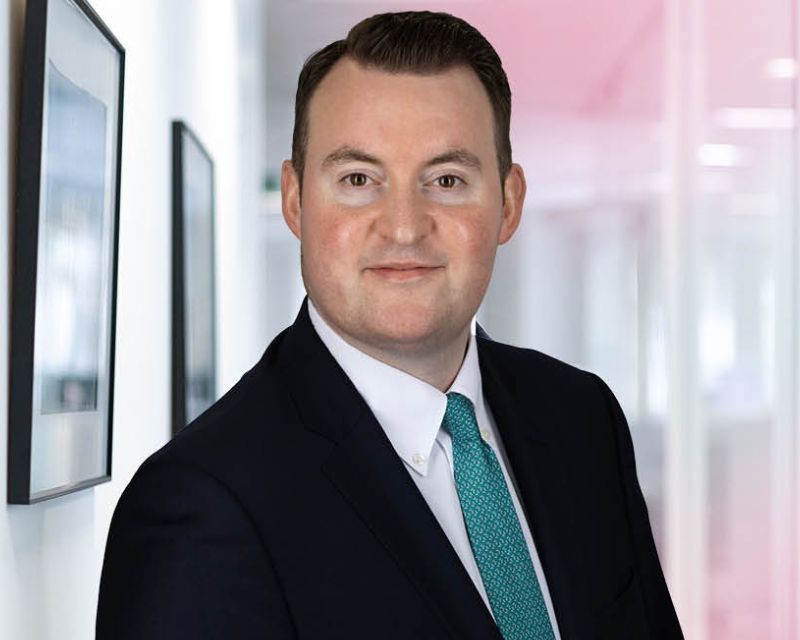
Top Trends in Family Dynamics – Joshua Becker, partner corporate and tax, Pillsbury Winthrop Shaw Pittman LLP
This week’s Top Trends in Wealth Management is dedicated to Joshua Becker, New York-based Pillsbury partner, advises founders, emerging companies, investment funds and family offices.

How do you manage the challenges of family dynamics when advising UHNW clients, especially across multiple generations?
Remembering that I am fundamentally involved in a humanistic endeavor, not merely a legal exercise, helps me to manage these challenges. What I mean is, first and foremost, I try to understand the family members, their desires, what their personal priorities are, how they communicate, and so on. Without this, call it, emotional IQ starting point, it’s hard to effectively advise families, particularly multigenerational families.
What role do family values play in wealth management decisions? Can you give an example where these values shaped a key decision?
If cash is king, then values are the queen. Values represent the non-financial priorities that distinguish advising families from working with purely institutional clients. For families, these values often guide not just whether to make an investment, but also how it is structured and under what terms.
This influence becomes especially significant as families and their family offices pursue more direct investments. Values can shape decisions about management involvement, whether to adopt a patient capital approach, and other key terms. Even geographic focus is often driven not only by financial returns but also by the family’s desire to strengthen local ties. In such cases, return on investment is weighed alongside commitments to community, subsidiarity, and solidarity.
How do you help families communicate about wealth management and succession planning?
Like voting in Chicago, early and often. It’s not about being perfect, it’s about getting ahead of the issue with consistency. It goes without saying, these conversations don’t occur in a vacuum, rather, they must be attentive to the values of the family discussed above. What succession looks like for one family may be very different for another.
Have you helped set up family governance structures? What are the key elements of a successful one?
I’ll go back to what I said above, values and understanding the humans that are involved. There is no one size fits all governance structure. The successful governance structures are those that truly take into account the idiosyncrasies of a family.
How do you handle situations where younger family members have different financial goals or risk preferences than older generations?
What we often do is create structures that may resemble “side pockets” investments in the investment fund context. This helps the family to maintain investment management unity while providing flexibility for different family members to pursue different goals and risk profiles.
Family conflicts often arise during wealth transitions. How do you manage disagreements about wealth distribution or management?
This is where sophisticated trust planning comes in. So many conflicts can be avoided through proper trust planning, planning that also provides tax and asset protection benefits. For example, if each family member participates in investments through his or her trust, those trusts really provide the tools to prevent any conflicts if structured correctly.
Can you share a challenging family conflict related to wealth or succession, and how you helped resolve it?
Yes, sometimes families want to separate, for example, siblings want their share of the family assets and to go their separate ways. Depending on how the assets are situated, this may present considerable income or gift tax issues. To solve this, we have structured arrangements whereby the assets are slowly, over time, split among the family members while avoiding gift tax and income tax recognition events. We do this through sophisticated family partnership vehicles.
How do you address differences between generations on issues like legacy, social impact, and aligning wealth with family values?
Like I said above, we often can resolve these differences by allowing the family to utilize different vehicles that permit families to invest or participate on an a la carte basis.
Can you tell us about a family that faced an unexpected crisis, like the sudden death of a family leader, and how you helped them manage the transition?
While a sudden death is always tragic, it need not be a crisis from a wealth management perspective. In fact, with proper trust, family limited partnership, and governance structures in place, such a situation, while tragic, can be easily managed.
How do you prepare UHNW families/family offices for the unexpected and ensure their wealth plans remain strong during times of crisis or sudden change?
As a lawyer, I want to de-risk the legal, tax and estate side of the wealth equation. If this is done, the family and their financial advisors can then focus on the blocking and tackling of asset diversification and cash management, the real issues when planning for times of crisis.
Subscribe to the Citywealth Weekly Newsletter to learn more about Private Wealth Management.
Read more:
Top 15 US Legal Crypto Practitioners 2022
Citywealth Top 15 Diversity Leadership Dream Teams


Top Trends in Wealth Management – Peter McLean, Head of Multi-Asset Portfolio Solutions, Stonehage Fleming Investment Management
This week's Top Trends in Wealth Management is dedicated to Peter McLean, Head of Multi-Asset Portfolio Solutions, Stonehage Fleming Investment Management.
Top Trends in Wealth Management – William Morris CFA, Head of Investments, Weatherbys Bank
This week's Top Trends in Wealth Management is dedicated to William Morris CFA, Head of Investments, Weatherbys Bank.