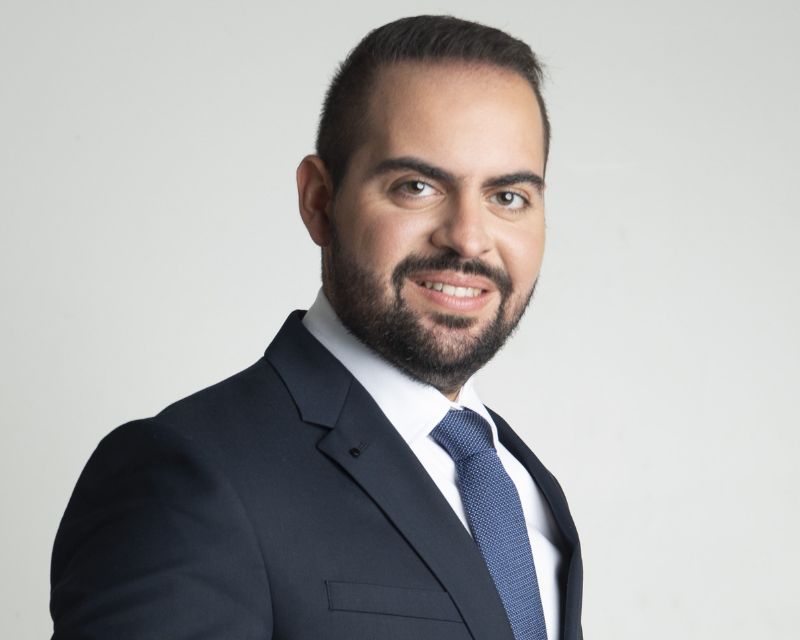
Citywealth: Top 10 wealth management trends – James Penny, Barclays Private Bank
Top 10 wealth management trends with James Penny, Managing Director and Head of UK International Private Bank – Barclays Private Bank.
What is your assessment of the current global political landscape and its impact on wealth management strategies?
The increased uncertainty has resulted in limited visibility regarding the path forward in terms of both monetary and fiscal policies. For investors, this environment is challenging to navigate. Headlines move markets – sometimes significantly– causing volatility that threatens composure, and traditional asset allocations are being tested.
That said, we remain optimistic that pragmatism will prevail, and maintaining a steady course is arguably the most appropriate strategy. In this context, our focus is on staying close to our clients by highlighting potential opportunities as they emerge and helping them avoid overreacting to both good and bad news
In your opinion, how have recent policy shifts in major economies like the US, EU, China affected the long-term stability of private wealth?
Policy shifts in major economies can present both challenges and opportunities for long-term private wealth stability. Regulatory changes, geopolitical tensions, and shifts in monetary policy can create increased market volatility and uncertainty. However, these developments also encourage greater focus on risk management and investment strategies, which are essential for preserving wealth over time.
As we continue to navigate uncertainty in global markets, how are wealth managers adjusting their strategies to preserve and grow clients’ wealth?
It is essential not to react to every single headline. When markets are as volatile as they have been in recent months, it may be prudent to stay put. Sometimes, doing nothing can be a very active investment decision. Beyond that, our focus is on maximising diversification – whether by expanding into different geographies, sectors or, when relevant, alternative asset classes that offers benefits both in terms of risk management and upside potential in the current environment.
How important is diversification in a post-pandemic world, and which asset classes are your clients focusing on?
Extremely important. The world is changing and so should portfolios, at least gradually. In the last 10 or 15 years, investing was relatively easy: invest in US technology companies and wait. It’s unlikely to be as easy going forward. Currently we see value in strategies that have limited market exposure and instead focus on relative value between two assets. By limiting directional exposure to markets, we can smooth returns, reduce volatility and focus on what we can analyse.
Sustainability investing has gained traction over the past few years. How are you seeing it affect the portfolios of high-net-worth individuals, and is this trend sustainable?
The difficult reality is there’s frequently a gap between individuals’ awareness and portfolio action. Our global clients personally care about these issues and recognise they can create investment risks and opportunities.
When we first speak to our clients, it’s obvious the problem isn’t conviction, it’s confusion. Often the belief is there’s only one way to “do” sustainable investing, however there are multiple, distinct approaches. Legacy assumptions about performance pervade, when our experience shows this isn’t the case. Language and labels make it abstract, when explanations should be clear and practical. Our role is to help them express their own sustainability aims and preferences, and then ensure their portfolios reflect these.
Industry challenges aside, sustainable investing isn’t a trend. It’s a fundamental shift to how we see clients wanting to invest.
What are the emerging risks and opportunities that wealth managers should be most aware of?
One risk that has emerged of late is the risk of over exposure to US assets and the US dollar. This is relatively new as for the first time in a very long time, the US safe haven status is being challenged. This will force investors to rethink what asset is truly “risk free” and will require a new approach to asset allocation. The other opportunity pertains to artificial intelligence and how is it utilised in our industry. It could be a powerful tool to help us better manage wealth on behalf of clients.
How have the needs and expectations of private clients evolved in recent months? Are there any new priorities or concerns they are expressing?
Clients have become increasingly focused on more personalised and values-driven investing. They are also prioritising greater transparency and control over their portfolios, wanting to understand and exclude assets that don’t align with their sustainability or ethical standards. Additionally, concerns around economic stability, inflation, and geopolitical risks remain top of mind, leading clients to seek diversified strategies that offer resilience and long-term growth. Overall, their expectations are shifting towards more tailored, transparent, and purpose-driven wealth management solutions.
In what ways are clients seeking more personalized wealth management services, and how are you meeting those needs?
Clients expect engagement to be tailored specifically to their interests, holdings, and life goals. They are increasingly influenced by the level of hyper-personalisation seen in other areas of their lives, and this sets expectations for wealth management. They also want to see their advisors understand their unique circumstances and values—whether that’s through personalised communication, tailored investment strategies, or options to exclude assets that don’t align with their values.
Furthermore, clients place a premium on advisors who demonstrate in-depth knowledge of their individual situations. Blanket or generic messaging no longer meets their expectations. They also want to work with professionals who reflect their values and backgrounds, which makes diversity in recruitment also important.
With the rise of digital, how are private clients responding to this?
Clients are increasingly using digital tools for convenience, particularly for virtual meetings and simple transactions. Having a high-quality digital platform where they can monitor their financial picture and investment performance in real time has become a fundamental expectation.
We have invested heavily in digital onboarding, streamlined processes, and consistent interfaces to ensure clients can perform routine tasks quickly and efficiently. We believe this approach will allow us to dedicate more valuable time for complex, emotionally driven conversations that require a human touch. Poor digital experiences can erode trust and damage relationships, while smooth, intuitive platforms build confidence.
Are there any new technologies or platforms that are making a significant impact on how private wealth is managed or delivered?
Yes, emerging technologies such as AI are transforming wealth management in content production, support, and administrative tasks, allowing automation of routine processes and freeing advisers to focus more on client relationships. The digitisation of workflows has enabled us to scale our services and reach more clients, even at lower asset levels than previously possible.
Automation tools have been crucial in helping advisors deliver personalised financial plans. For instance, pulling data automatically from multiple sources, allows advisors to dedicate more time to understanding client needs and building personalised solutions. AI also has the potential to enhance client interactions by recording sessions to improve follow-up conversations and generate tailored content. These innovations could help the sector to deliver more dynamic, responsive, and tailored wealth management services.
You may also like to read about the Citywealth Forum

Top 10 wealth trends
Top 10 wealth trends with Robert Kitchen - CEO, Brown Shipley
Citywealth: Family, Wealth Management, and the Power of Planning
Quick insight series with Joshua Rubenstein, Partner, National Chair, Private Wealth at Katten Muchin Rosenman