


Citywealth Quick Insight Series on Tax Trends – Alessandro Belluzzo, Belluzzo International Partners
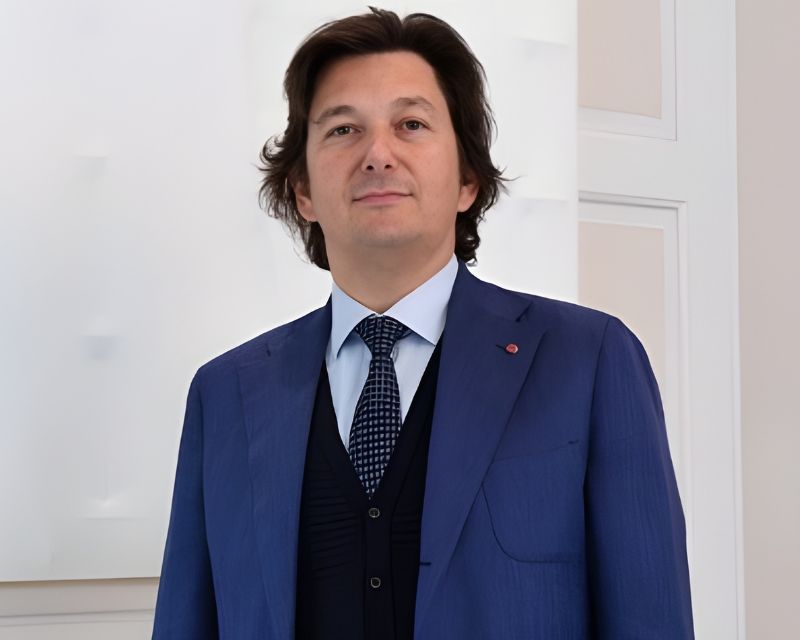
This week’s Tax Trends is dedicated to Alessandro Belluzzo, Founder Partner, Belluzzo International Partners
How would you summarise the current global tax environment for UHNW individuals and families? Are particular jurisdictions becoming more or less attractive?
The global tax environment is tightening, driven by expanded transparency regimes (CRS2, CARF, DAC8) and growing convergence in crypto and cross-border reporting. This reduces opportunities for opacity-driven structures and elevates the importance of operational governance. Jurisdictions such as Singapore and Hong Kong remain attractive due to clear family‑office regimes, while the UK is becoming more predictable but less favourable for traditional non‑dom planning. The EU continues to prioritise transparency, reducing its appeal for secrecy-motivated planning.
What recent tax policy changes in key regions have the most significant implications for global wealth structuring?
Key developments include:
• UK abolition of the remittance basis and introduction of the 4‑year FIG regime.
• US uncertainty around estate/gift tax exemptions due to potential 2026 changes.
• EU DAC8 implementation from January 2026, expanding crypto AEOI.
• Singapore’s heightened substance requirements (13O/13U) and Hong Kong’s FOIV concession regime.
• Italy’s reformed Inpatriate regime and increased attractiveness of the €200k flat tax.
What are the emerging cross‑border tax challenges facing wealthy international families today?
Families face multi‑jurisdiction reporting across CRS, CARF, DAC8 and FATCA; governance challenges relating to crypto/DeFi income and valuations; Pillar Two spillovers into private equity-linked structures; and complexities created by the UK’s new residence-based IHT regime for globally mobile individuals.
How are advisers helping clients prepare for increased transparency and information‑sharing regimes?
Advisers are building centralised AEOI data pipelines, aligning reporting schemas across CRS2/CARF/DAC8, and conducting pre‑emptive data‑quality reviews. Crypto‑asset reporting frameworks are being updated, and families are guided to maintain audit‑ready documentation and governance processes.
In what ways are philanthropic structures and charitable giving being shaped by evolving tax legislation and public policy?
Singapore is linking family‑office incentives to philanthropy and impact, rewarding qualifying giving through enhanced concessions. Hong Kong allows charitable ownership within FIHV structures. Policymakers increasingly encourage alignment of private wealth with social and environmental outcomes.
What role do tax‑efficient investments play, and how are they evolving?
PPLI and other insurance‑based solutions remain relevant but face greater scrutiny under CRS2/CARF due to potential look‑through reporting. Real estate remains a core store of value, though jurisdictions such as Singapore have raised property‑tax bands, increasing holding costs.
How is succession and estate planning being impacted by new inheritance, wealth, or exit tax proposals globally?
In the US, uncertainty around 2026 exemptions accelerates gifting strategies. In the UK, residence‑based IHT rules significantly influence migration timing, trust distributions, and asset placement for globally mobile families. Broader global sentiment suggests more jurisdictions are exploring wealth‑transfer taxation.
Is there increased interest in alternative jurisdictions or RCBI programmes due to tax considerations?
Interest persists but it is shifting. With expanded AEOI and EU scrutiny, families now prioritise rule of law, predictability, and operational clarity over secrecy. Singapore and Hong Kong remain dominant choices for family‑office bases due to their robust yet predictable regimes.
How are tax authorities using digital tools, AI, and data analytics to enhance enforcement—and how should advisers respond?
Tax authorities globally are adopting AI-driven risk detection, matching financial data from CRS/FATCA/AEOI feeds to uncover anomalies and undisclosed assets. Advisers are responding with continuous compliance monitoring, upgraded data governance, and strengthened documentation standards.
What are your top predictions or concerns about global tax policy for UHNW clients over the next 12–24 months?
• Crypto AEOI (CARF/DAC8) will create operational burdens in 2026–27.
• Pillar Two uncertainty and US political volatility will drive restructuring.
• UK residence‑based taxation will require re‑papering of legacy remittance structures.
• Increased substance demands in Asia will require higher budgets and more formal governance.
• More jurisdictions will link tax incentives to impact or philanthropy.
Belluzzo International Partners’ Citywealth Leaders List profile
Alessandro Belluzzo’s Citywealth Leaders List profile
Key Takeaways
- Ian Dyall from Evelyn Partners discusses the changing tax landscape for UHNW individuals post-budget.
- Key changes include the need for flexible estate planning and adjustments in how assets are owned.
- Advisers emphasize proactive client engagement to navigate uncertainties and adapt strategies effectively.
- Many clients now focus on tax-efficient withdrawals from pensions and consider transfer strategies to mitigate tax liabilities.
- Looking ahead, concerns exist over potential new taxes and the future direction of UK tax policy for UHNW clients.
Estimated reading time: 5 minutes
Subscribe to the Citywealth Weekly Newsletter to learn more about Private Wealth Management.
Read more:
Why moving to Italy could be good for you wallet
Middle East’s Economic Transformation Explained
The Global Assisted Dying Debate: Law, Ethics & Future Choices
Global Tax Reforms: What You Need to Know
Belluzzo International Partners and Wealth Planning

Citywealth Quick Insight Series on Tax Trends – Ian Dyall, Evelyn Partners
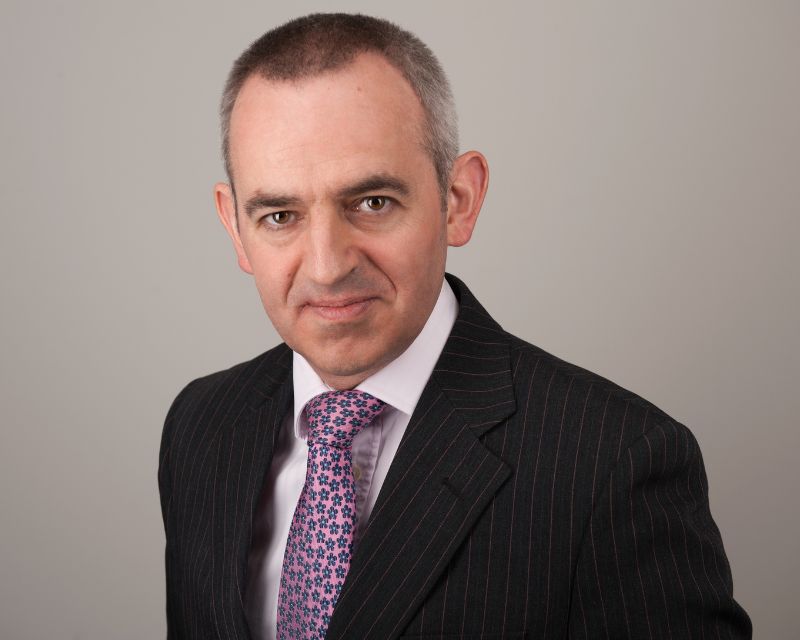
This week’s Tax Trends is dedicated to Ian Dyall, Head of Estate Planning at wealth management firm Evelyn Partners.
Quick insight series, Top 10 Crypto & Digital Asset Trends – Sean Kiernan, Greengage
This week’s Top 10 Crypto & Digital Asset Trends is dedicated to Sean Kiernan, CEO, Greengage & Co.