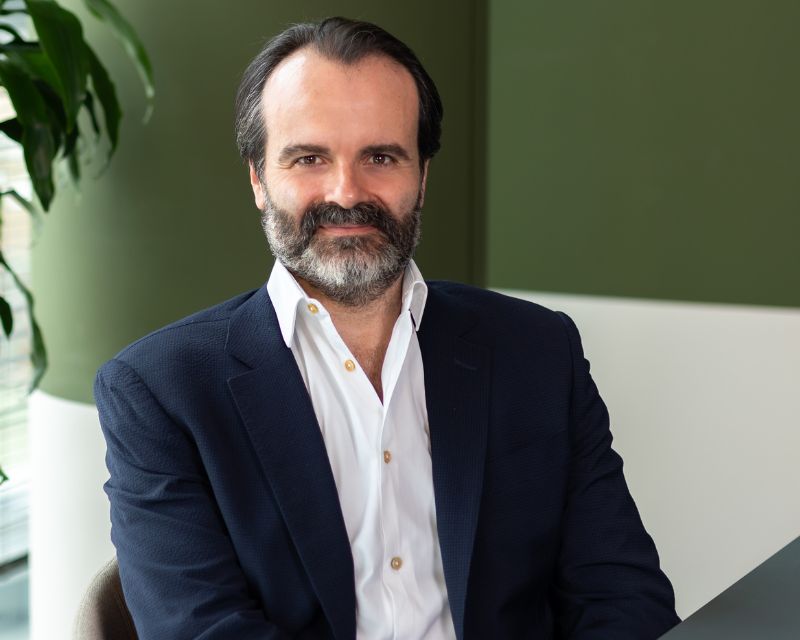
Citywealth Leaders List, 60 seconds interview – Piers Hillier, Jupiter Asset Management
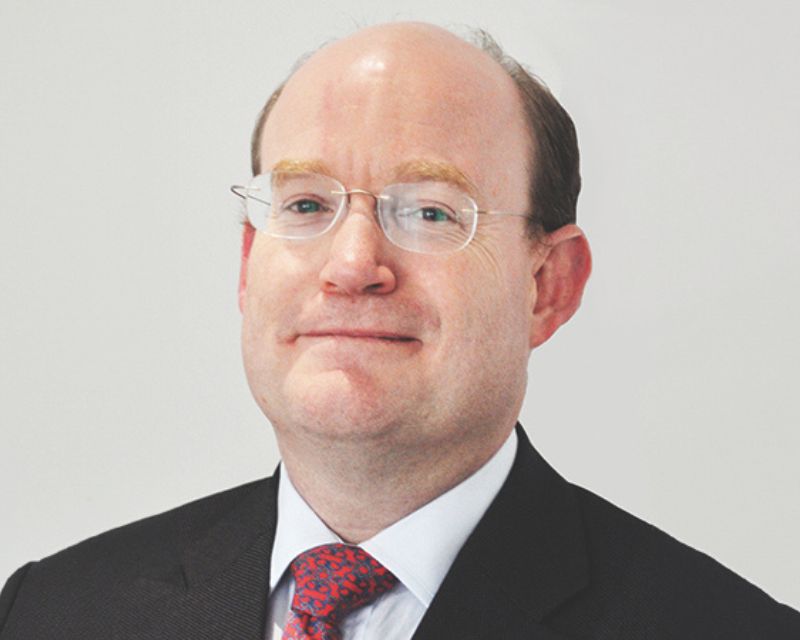
This week’s 60 seconds Citywealth Leaders List interview is dedicated to Piers Hillier, Chief Investment Officer at Jupiter Asset Management.
What is your assessment of the current global political landscape and its impact on wealth management strategies?
The geopolitical landscape is always changing and today is no different. Let’s remind ourselves that every first quarter since 2020 has been marked by significant market volatility – Covid-19 in 2020, the resultant inflation shock in 2021, Russia’s invasion of Ukraine in 2022, the sensitivity of Silicon Valley Bank and other US regional banks to interest rates in 2023, Federal Reserve interest rate cuts not delivered in 2024, Trump’s tariffs in 2025 and the Iran conflict this year. As such, wealth management strategies need to build robust solutions that help to mitigate short term volatility and tail risk. From a multi asset perspective, this is the power of asset class diversification and active, tactical asset allocation. Having active managers that can navigate this volatility is critical at individual asset class level. Finally, being hyper aware of excessive momentum and market froth is critical for long term wealth creation and, most importantly, capital preservation.
In your opinion, how have recent policy shifts in major economies like the US, EU, China affected the long-term stability of private wealth?
These developmentshave put a premium on good advice from private wealth managers. In times of volatility, experience and incorporating the disciplines of appropriate risk and return for clients is critical.
As we continue to navigate uncertainty in global markets, how are wealth managers adjusting their strategies to preserve and grow clients’ wealth?
Central banks delayed their response to Covid-related inflationary stimulus, which meant that interest rates had to rise much more than many had anticipated. This shift heavily impacted defensively positioned portfolios that relied on government bonds. As long-dated bond yields spiked throughout 2021 and 2022, bond values declined sharply, causing a severe diminution in portfolio value and a sharp decline in returns.
In response, the best wealth managers adapted by rotating into other asset classes such as gold, other precious metals, cash and absolute return focused strategies, most of which had been out of favour since the financial crisis. While interest rates have not declined as much as optimists had hoped, the re-setting of long bond yields and credit spreads has made fixed income attractive once again from an asset allocation perspective. However, with inflation still elevated, investors must remain focused on the importance of real returns. Equities are well-placed to support this need, alongside, real estate, infrastructure and inflation linked income.
How important is diversification in a post-pandemic world, and which asset classes are your clients focusing on?
I would say that diversification for the sake of diversification is not helpful. The real skill here is achieving the right balance between risk and return, while also being clear about how asset classes might perform in certain scenarios. Don’t underestimate the importance of retaining liquidity, not only for a rainy day but also to ensure that portfolios are flexible and nimble enough to respond to investment opportunities as they arise.
Sustainability investing has gained traction over the past few years. How are you seeing it affect the portfolios of high-net-worth individuals, and is this trend sustainable?
I would argue that sustainable investing has had a challenging few years, especially
since rising interest rates sparked a rotation out of quality and growth stocks, styles that were favoured by sustainable strategies, into cyclicals and value sectors, like basic resources and financials, which have tended to be under-owned by sustainable managers.
Overall, I see sustainability as a critical part of our fiduciary duty as an active manager and an important lens through which to assess investment risk and returns for all clients, including high-net-worth individuals. By actively engaging with companies on sustainability matters, we can help clients to achieve their financial goals in a responsible way. Profit and purpose don’t have to be mutually exclusive.
What are the emerging risks and opportunities that wealth managers should be most aware of?
The art of successful long-term investing is balancing our human behavioural biases of greed and fear. Increasingly, as active managers, we must balance subjective human experience with objective financial data in order to navigate volatility and deliver superior returns. Risks arise when the pendulum swings too far to either extreme. Overoptimism breeds “frothy” markets, which can be subject to sharp corrections when the momentum changes. Excessive fear can lead to capitulation and market bottoms, driven by a panic-induced “sell at any price” mentality. At either extreme, one needs to be careful about excessive leverage and the autocorrelation of asset classes, which have traditionally been uncorrelated.
How have the needs and expectations of private clients evolved in recent months? Are there any new priorities or concerns they are expressing?
There is no question that artificial intelligence will have a very significant influence on how we live and work. As with many historic “industrial revolutions” – the onset of the railways in the 19th century, the US Nifty Fifty in the 1960s and 1970s, Japan’s just-in-time manufacturing boom in the 1980s and the TMT bubble in the 1990s – near term over exuberance in financial markets can, on occasion, outpace long term wealth creation. At times like these, Caveat Emptor (Buyer Beware) should always be front of mind for investors.
In what ways are clients seeking more personalized wealth management services, and how are you meeting those needs?
In uncertain times like these, the value of a truly tailored and bespoke wealth management strategy has never been more relevant. Developing an understanding of a client’s unique appetite for risk and return is the first critical step. After that, we employ our skills as active, tactical asset managers to select the best securities to help our clients achieve their personal investment goals.
With the rise of digital, how are private clients responding to this?
Technology is a great enabler and the increase in digital tools has given clients access to unprecedented amounts of information. However, navigating all this intelligence in a world where influencers are increasingly relevant is a significant challenge. Consequently, the premium for securing the “right” advice has never been greater.
Are there any new technologies or platforms that are making a significant impact on how private wealth is managed or delivered?
This sits outside my immediate expertise, but the rapid expansion of digital platforms and advanced tooling is a threat for those wealth managers that fail to deliver highly differentiated, customer-centric solutions.
Subscribe to the Citywealth Weekly Newsletter to learn more about Private Wealth Management.
Read more:
Citywealth Forum 2026 Speaker spotlight: Joshua Rubenstein, Katten
60 seconds: Joshua Rubenstein, Katten
Joshua Rubenstein – Chair Partner at Katten Muchin
Katten Muchin Rosenman: A Leader in Wealth Planning
Katten Welcomes John Collins to Its Team
Katten publishes Issue 11 of ESG Guidepost
Katten hires new Private Wealth partner Parker F. Taylor
Leaders List interview: 60 seconds with Kevin T. Keen, Katten | Citywealth News

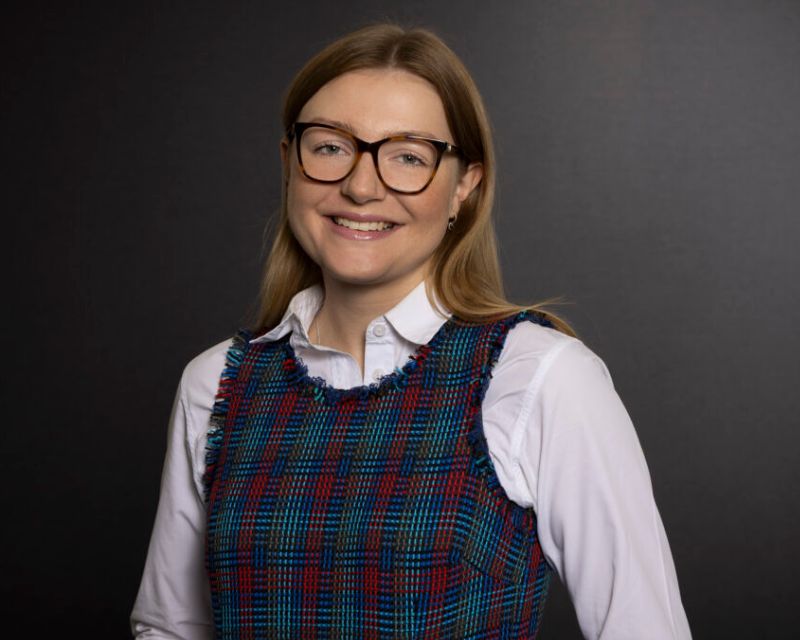
Citywealth Leaders List, 60 seconds interview – Zoe Norton, Druces
This week's 60 seconds Citywealth Leaders List interview is dedicated to Zoe Norton, Private Wealth Solicitor at Druces.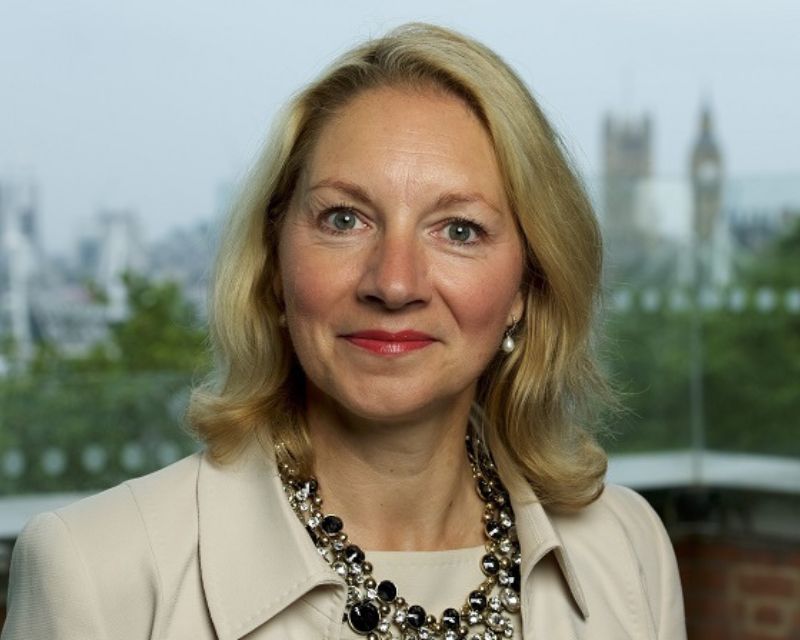
Citywealth Leaders List, 60 seconds interview – Liz Field, PIMFA
This week's 60 seconds Citywealth Leaders List interview is dedicated to Liz Field, CEO of PIMFA.