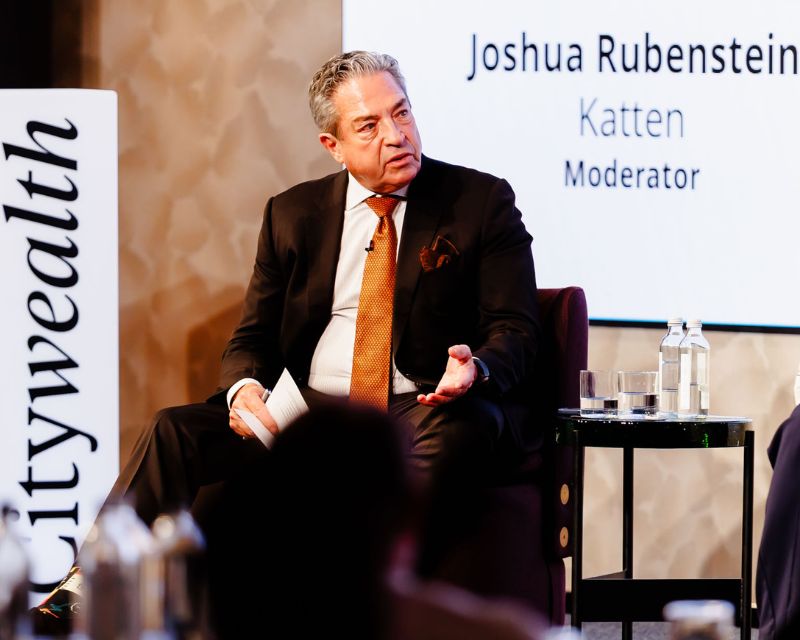
Citywealth Forum 2026 Speaker spotlight: Simon Voisin, Coriats
Simon Voisin, Managing Director at Coriats, a Jersey, Channel Islands trustee, shared his perspective on modern trusteeship during the Trusts and Investment Strategies panel at the Citywealth Forum 2025, discussing fiduciary duty, family dynamics, luxury assets and the growing complexity facing trustees.
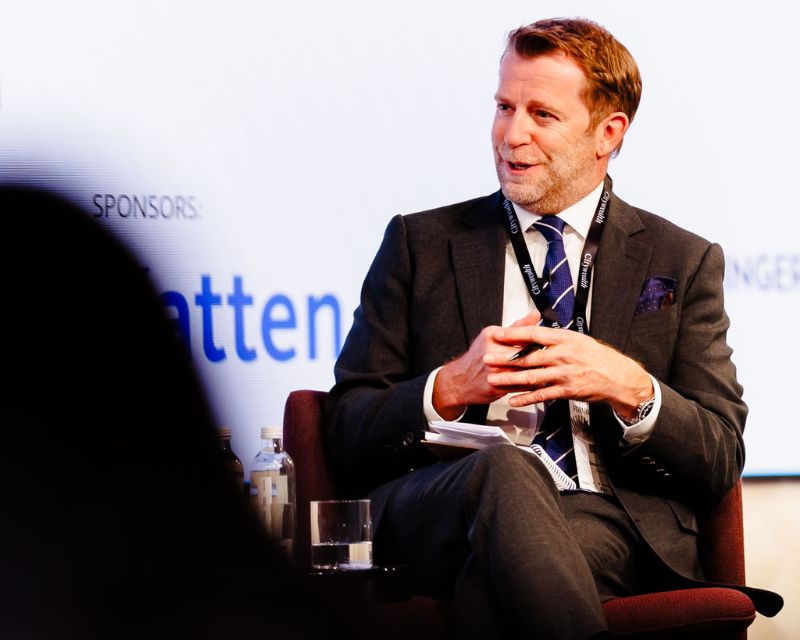
Trustees are being drawn into more complex conversations than ever before. Markets are volatile, families are more vocal about how wealth should be used, and the range of assets held within trust structures now stretches far beyond traditional quoted securities.
Speaking during the Trusts and Investment Strategies panel, Simon Voisin, Managing Director at Coriats, argued that while the role of the trustee has remained fundamentally the same, the pressures surrounding that role have intensified.
“One of the irreducible duties of a trustee is to preserve and enhance the capital of a trust fund,” he said.
For Voisin, that responsibility remains the foundation of trusteeship, regardless of changing market conditions or evolving family expectations. What has changed, he suggested, is the environment in which trustees are expected to operate, with greater scrutiny, broader investment opportunities and increasingly diverse views within families themselves.
Trusteeship begins with understanding families
A recurring theme throughout his remarks was the importance of relationships over products. In Voisin’s view, trustees can only make sound and defensible decisions if they truly understand the families they represent.
“It’s incumbent on a trustee to be considered and measured and get to know their family and understand what the family are caring for, what their aspirations are,” he said.
That understanding, he explained, underpins every subsequent decision, whether the objective is long term capital growth, income generation, philanthropy or values-led investing.
Alternative assets and changing portfolios
Voisin also reflected on the changing nature of assets now appearing within trust structures. While family businesses remain, in his words, a “mainstay”, trustees are increasingly being asked to oversee more unconventional holdings.
“We are seeing luxury assets playing a part, artwork, luxury cars or aircraft,” he said.
Cryptocurrency, meanwhile, is becoming a frequent topic of discussion among clients, although Voisin made clear that trustees remain cautious. “As a trustee, one is very cautious around it.”
The trustee as coordinator and decision maker
One of the more memorable moments in the discussion came when Voisin described the practical role of a trustee.
“A trustee is the hub of a wheel,” he said. The trustee, he explained, sits at the centre of a network of advisers, drawing on expertise across investment, tax and legal disciplines before making informed decisions on behalf of beneficiaries.
It was a useful reminder that trusteeship is rarely an isolated discipline. Instead, it relies heavily on judgement, experience and knowing when specialist advice is required.
Why experience still matters
That point led naturally into another theme Voisin emphasised throughout the session: experience cannot be accelerated.
“Being a good trustee, it’s not something you learn overnight. This is long earned experience,” he said.
He spoke about relationships that are built over decades rather than months, citing one long-standing client relationship that has remained with the firm for 30 years. In that case, he explained, the relationship lead spends significant time with the family to understand the nuances behind decision making and family dynamics.
For Voisin, that depth of understanding matters because trustees are often required to navigate competing priorities between generations.
He offered an example. “A trust fund might be worth 20 million. They might say, ‘We want to give it all to charity,’ but then you have to say to your beneficiaries, ‘Well, we also need to put your children through school.’” So there is a practical element to advice and balancing needs.
Listening, he argued, is a vital part of trusteeship, but listening alone is not enough.
“Listening’s very important as a trustee and understanding what your family wants to do,” he said.
Ultimately, trustees still have a duty to apply independent judgement and ensure decisions remain grounded in practical realities.
Transparency and fiduciary responsibility
Voisin was equally pragmatic when discussing tax transparency and regulatory scrutiny. “The world is becoming a much flatter and more transparent place,” he said.
Balancing values with fiduciary duty
The conversation also turned to the growing pressure on trustees to incorporate values-based exclusions into portfolios, particularly where those exclusions may conflict with fiduciary duties.
Discussing the idea of removing exposure to the United States entirely, Voisin warned trustees would need to proceed carefully.
“It’s the largest economy in the world,” he said, adding that excluding it wholesale could ultimately expose trustees to criticism or even legal challenge.
“In the long term, you would find yourself being criticised and potentially sued for breaching your fiduciary duties.”
His broader message was that trustees can and should consider values and family preferences, but cannot abandon their legal responsibilities in doing so.
Knowing when to challenge clients
Perhaps the clearest insight into Voisin’s philosophy came when he was asked what happens if a client insists on pursuing a course of action the trustee fundamentally disagrees with.
“Being a trustee is a huge responsibility,” he said.
While trustees can explain the risks, bring in specialists and outline the potential consequences, there are situations where a trustee may ultimately decide they cannot continue acting.
“If a trustee fundamentally doesn’t agree with something that a client wishes to do, invariably they’re not going to be your client,” he said.
“You can’t reduce that fiduciary responsibility to preserve and enhance the trust fund. You have to decide, fundamentally, do I agree with this?”
For an audience focused on wealth strategy in an increasingly uncertain world, Voisin’s contribution resonated because it was less concerned with fashionable assets and more focused on the discipline that underpins effective trusteeship.
His message was clear. Trusteeship is not about chasing trends. It is about judgement, process, experience and the willingness to say no when duty requires it.
Key quotes from Simon Voisin
“One of the irreducible duties of a trustee is to preserve and enhance the capital of a trust fund.”
“A trustee is the hub of a wheel.”
“Being a good trustee, it’s not something you learn overnight. This is long earned experience.”
Subscribe to the Citywealth Weekly Newsletter to learn more about Private Wealth Management.

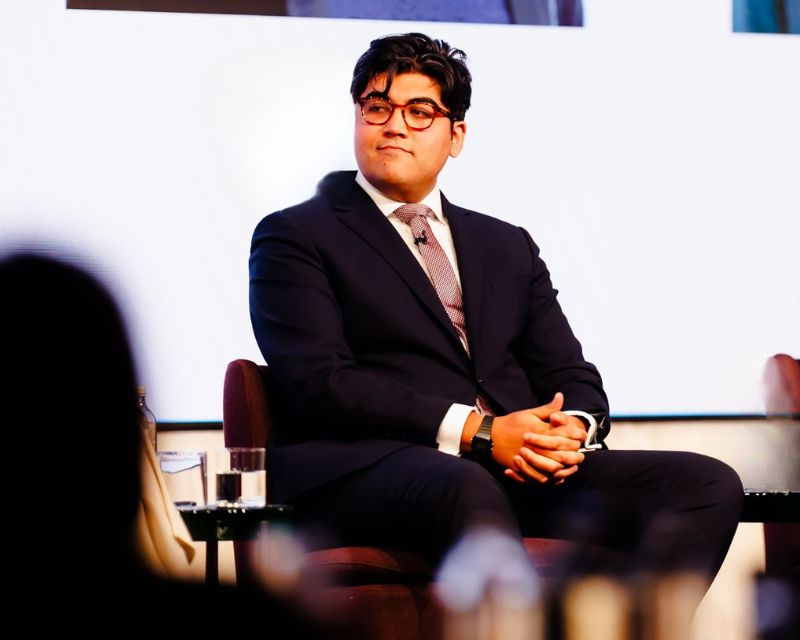
Citywealth Forum 2026 Speaker spotlight: Alex Hulkhory, The Hottinger Group part of Edmond de Rothschild
Alex Hulkhory, Senior Investment Manager at The Hottinger Group, part of Edmond de Rothschild, discussed the changing investment landscape during the Trusts and Investment Strategies panel at the Citywealth Forum 2026, highlighting inflation risk, the pressure on traditional portfolios and the growing importance of genuinely multi asset investing.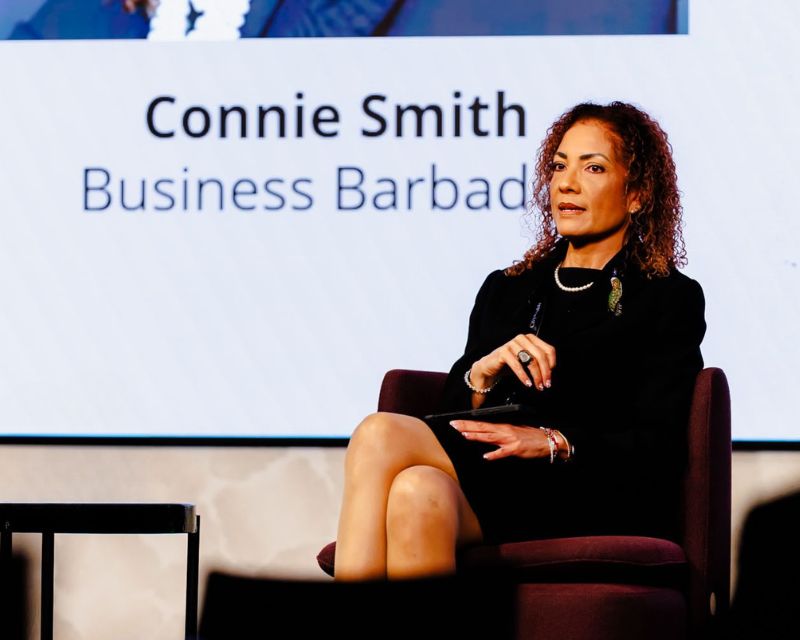
Citywealth Forum 2026 Speaker spotlight: Connie Smith, Invest Barbados
Connie Smith, Chair of Business Barbados, discussed the changing priorities shaping international financial centres during the International Financial Centres panel at the Citywealth Forum 2026, arguing that globally mobile families are increasingly prioritising stability, transparency and long term confidence over pure tax considerations.