


Citywealth Forum 2025 speaker spotlight: Maxine Bodden Robinson
Co-Founder and Principal, IMG Trust Company Limited – Cayman Islands.
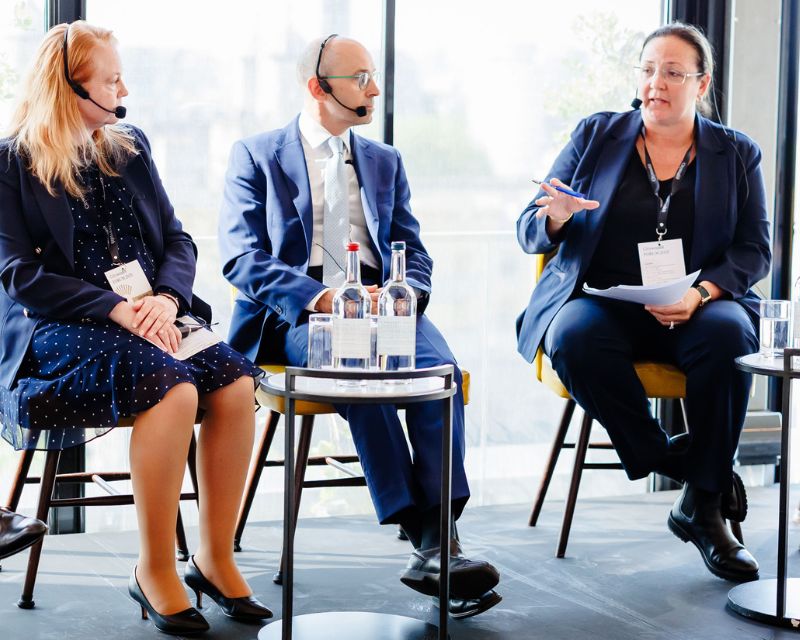
At the Citywealth Forum 2025, held on 13 May, Maxine Bodden Robinson chaired a panel examining a growing concern in trust management: how to respond when trustees or protectors lose mental capacity during the lifetime of a trust.
Bodden Robinson, Co-Founder and Principal of IMG Trust Company Limited in the Cayman Islands, moderated the session with a focus on practical experience and legal clarity. The discussion brought together legal and fiduciary professionals to explore how trust structures can prepare for and respond to incapacity events.
Discussion Overview:
The panel began by establishing the relevance of the Mental Capacity Act 2005, which presumes capacity unless proven otherwise. This legal standard can complicate matters for trustees tasked with assessing when a fellow fiduciary can no longer act.
Bodden Robinson highlighted the difficulty this presents in practice, particularly when responsibility for determining incapacity falls on the trustee themselves — a role that can become especially fraught in the presence of family disputes or differing medical opinions.
Participants discussed the importance of reviewing trust deeds to ensure they contain clear provisions dealing with incapacity. Many older deeds were noted to be vague or silent on this issue, leaving trustees with limited guidance.
Key Issues Explored:
- The fluctuating nature of mental capacity, and the need for trustees to be attentive to behavioural changes over time.
- The role of clear documentation in protecting trustees from legal challenge, particularly where litigation arises from contested decisions.
- The suggestion of practical safeguards, including retirement age clauses for fiduciaries, or the establishment of protector committees to reduce reliance on a single decision-maker.
The panel also examined the risks posed by inactive or unreachable protectors — individuals who hold key powers in a trust but are no longer engaged — and the challenges this can create for trust administration.
Case Study Highlight: Peter Goddard
Towards the end of the session, Peter Goddard, a co-founder and Principal at IMG and colleague of Bodden Robinson, shared a case in which a sole director of a Private Trust Company (PTC) had misappropriated $28 million in trust assets. The trustees were later appointed by the court to take over the structure. The case underscored the potential vulnerabilities in unregulated or lightly supervised fiduciary arrangements.
Closing Remarks:
Bodden Robinson concluded by encouraging trustees and advisers to proactively review their trust structures, particularly in light of increasing life expectancies and evolving regulatory expectations. Knowing clients well — beyond standard identification procedures — and maintaining clear written records were also highlighted as essential steps in reducing risk.
The session marked a measured yet urgent call for greater preparedness and scrutiny in how trusts deal with capacity, particularly as structures become more complex and the role of the protector continues to evolve.
Key Takeaways:
· Framing the Discussion Around Practical Reality
Bodden Robinson opened the panel by grounding the conversation in the real-world challenges trustees and fiduciaries face. She encouraged the audience—including lawyers, trustees, and investment professionals—to reflect on the practical application and limitations of incapacity clauses in trust deeds.
· Institutional vs. Individual Trustees
She highlighted how capacity issues arise differently for institutional trustees versus individual trustees. Bodden Robinson questioned the fitness for purpose of many trust documents that place the burden of declaring incapacity on the very institutions involved in decision-making.
· Role of Trustees in Assessing Capacity
Drawing on her dual perspective as a former lawyer and current trustee, she stressed the difficulty trustees face when required to determine capacity—particularly in contentious family environments where views may differ sharply.
· Knowing the Client Beyond Compliance
Bodden Robinson made a pointed call for trustees to “know your client” beyond KYC protocols—urging deep, ongoing engagement to detect early signs of incapacity. She underlined that relationship-building is a core part of modern trust governance.
· Documentation is Defence
She echoed the legal perspective that if it’s not written down, it didn’t happen—reiterating that detailed notes and rationale behind trustee decisions are vital should actions ever be challenged in court.
· Stress Testing Trust Provisions
Bodden Robinson challenged attendees to consider whether older trust structures have been “stress tested” for modern capacity concerns. She floated ideas such as age-basedretirement clauses, protector committees, and the need to review outdated documents.
· Forward Planning to Avoid Litigation
Her moderation consistently returned to the need for early, proactive planning to avoid disputes later. She encouraged drafting with foresight—emphasising that thoughtful structuring today could prevent complex litigation tomorrow.
Super Early Bird Offer: Book your place at the Citywealth Forum 2026 before 1st July for just £395 + VAT (full price £1,099 + VAT) – limited time only! Click here to book now.
View the Work in Progress 2026 Agenda here.
Subscribe to the Citywealth Weekly Newsletter to learn more about Private Wealth Management.


Citywealth Forum 2025 speaker spotlight: Peter Goddard
Founder and Head of Private Client Services, IMG Trust Company (Cayman Islands). Former barrister with over 30 years of experience as a professional trustee in the international private client and trust sector.
Citywealth Forum 2025: Rethinking Wealth Management in an Era of Complexity
The Citywealth Forum 2025 convened in London this May, bringing together leaders in the private wealth industry for a day of high-level discourse and forward-looking strategy.