Jewellery investment: All that glitters
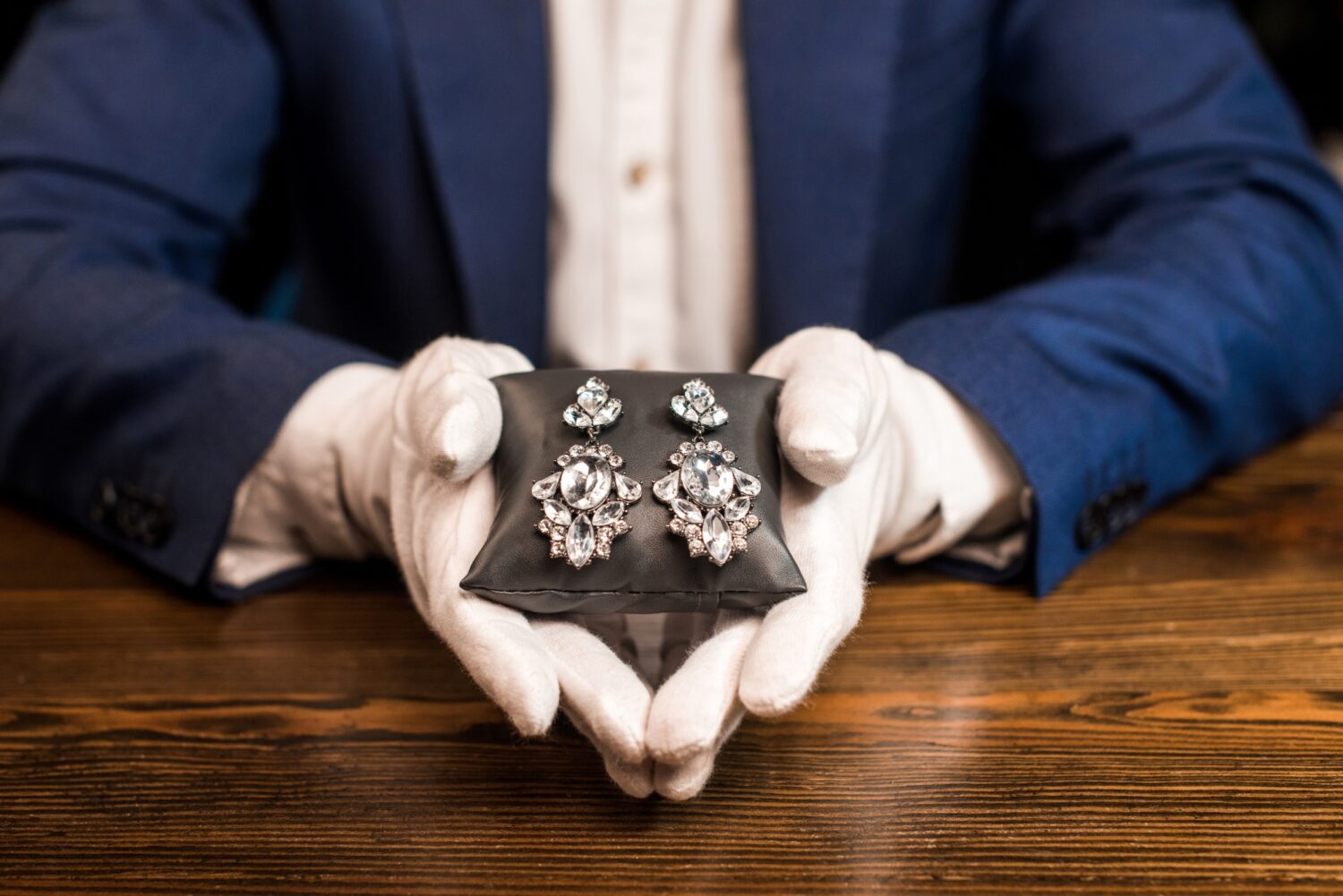
Could diamonds be an investor’s best friend? Citywealth examines the investment opportunities afforded by the shiniest form of alternative asset: jewellery.
Cultural capital
In its 2024 Wealth Report, Knight Frank examines interest levels in alternative investment assets. The report noted that the Knight Frank Luxury Investment Index fell by 1% over the year, “pulled down by falling values in rare whisky (-9%), classic cars (-6%), handbags (-4%) and furniture (-2%).” However, interest in art (+11%), jewellery (+8%) and watches (+5%) helped to offset the drop in other asset classes. The report said: “[O]ur assessment reveals a need for an ever more discerning approach from investors, with significant volatility by sub-market.”
Items with historic provenance stood out in 2023
Two of the top luxury collectible sales in 2023 included a colour diamond worth US$34.8m and a ring known as the ‘Bleu Royal’, which features a 17.61 carat fancy vivid blue diamond and went for US$43.8m. Sebastian Duthy of AMR, which supplies data for a number of the asset classes tracked by Knight Frank commented: “The demand for colour gemstones of exceptional quality, iconic signed period jewels and single-owner collections, as well as items with historic provenance stood out in 2023.” CEO of the Fancy Color Research Foundation Miri Chen said: “In 2023, we observed a shift towards smaller
sizes and higher colour saturations, along with a slight decline in the prices of pinks and blues. The overall trend indicates a steady increase in prices for the whole segment. We are delighted to witness the continued resilience of the fancy colour market in comparison to other markets, including colourless diamonds.”
Drake buys Tupac rings
There has been much discussion in the private wealth industry about the connections between generations and the behemoth known as the ‘Great Wealth Transfer’. When asked if younger collectors have different attitudes to their parents, Duthy made an interesting observation on the influence of hip hop culture on the jewellery market, particularly on men: “Sotheby’s Hip Hop auction in July offered several possessions that belonged to the music legend Tupac Shakur, but none more personal than a gold ruby and diamond crown ring. The buyer was soon revealed to be the artist Drake, another huge hip hop star, who used his purchase to promote his new album on Instagram. Drake paid US$1 million for the ring – three times the estimate.”
Three-quarters of gold consumers are now estimated to be between 25 and 35 years old
Historically, investing in precious metals and jewels has been popular in Asian and Middle Eastern cultures and remains so to this day. Seen as tangible and, crucially, easily portable investments that will not depreciate in value, it appears that interest in this asset class has been passed down the generations. According to a 2021 report from the World Gold Council, Three-quarters of gold consumers are now estimated to be between 25 and 35 years old, with many citing their belief that investing in gold is low-risk. The market seems to endorse this belief, as gold bullion passed the US$2,100 per ounce threshold for the first time in March 2024.
The intricacies of investing
Citywealth spoke to Kristian Spofforth, Head of the Jewelry Department at Sotheby’s, to get a better understanding of what it looks like to invest in jewellery with intent. Anyone can purchase an expensive ring or necklace glinting in a shop window, but Spofforth notes that: “As with many forms of art, investing in jewellery is not straightforward. The markets can fluctuate and trends change. Synthetic diamonds have seen their appeal increase in the past couple of years and, although this has created some turbulences within the natural diamond market, there is no real secondary marketing for synthetic diamonds and therefore we don’t anticipate that this is a long term trend. This will be more marked when people understand better the fundamental differences between natural and synthetic diamonds.”
Insurance of rare pieces is difficult
Once the pieces ae acquired, how does one keep them safe? On storage and insurance considerations, Spofforth said: “Storage of jewellery doesn’t have to be challenging especially compared to storing art for instance. Jewellery is usually very portable and easier to store in safes which can be easily installed. Insurance is of course one of the other tricky areas in that many pieces of jewellery are irreplaceable, a diamond can be replaced and can be found on the market but a particularly rare diamond or unique coloured stone or incredibly rare piece of jewellery is much harder to replace and therefore insurance of these pieces is difficult. First hand inspection at regular intervals is necessary just to make sure that the jewellery and the stones are exactly what they say they are.”
Investors in jewellery are interested in art
Many investors in jewellery are interested in the history and significance of their collections and will have a wider appreciation for the arts. We asked what technicalities to be aware of if collectors wished to lend out their pieces to museums or galleries.
Spofforth said: “Loans from jewellery owners to museum do happen, but can be tricky if a piece of jewellery is particularly fragile or very high value. Considerations need to be made regarding shipping to ensure there is no damage to the piece and, of course, security when the piece is installed at the gallery or museum. We’ve learnt a lot from staging our much lauded Jubilee tiara exhibition at Sotheby’s in London a couple of years ago. Given the historical and museum quality of most of the tiaras in the exhibition, we had to carefully consider the level of insurance required which went beyond our initial expectations. Pieces such as Queen Victoria’s tiara and the Spencer tiara – famously worn by Princess Diana on her wedding day – needed extra attention.”
Some wealthy clients and families are very interested in investing in jewellery but not all
Unlike other forms of traditional investments, jewellery is a tangible asset and a particularly portable one at that. We asked Spofforth if jewellery is still seen as something that holds value from an investment perspective, or if it is seen more now as an investment in one’s appearance – a status symbol. He said: “Some wealthy clients and families are very interested in investing in jewellery and building their collection making something that is truly wonderful and unique. However, I also know wealthy families who may have an incredible art collection, incredible furniture in houses across the world but sometimes the jewellery collection is a secondary concern containing some interesting pieces but on the whole, the jewellery collection is more modest.”
“Many people will look at jewellery as investment which can be tricky as trends can change and tastes can fluctuate. Diamond markets can go up and down as well as the coloured gemstones. Very high value diamonds, really unique pieces that come up at auction from time to time are safer bets. Most practically, jewellery is much easier to carry and store and can contain huge value in very small volumes.”
Sharing the spoils
Like its fellow asset classes, alternative or otherwise, jewellery is subject to disputes of ownership and entitlement. Often it can be a bloodier battle than other assets to divvy up, thanks to the sentimental value that is often bestowed upon much loved pieces. These disputes often make it to the media; one example is that of Sarah Frances Croker-Poole, a former fashion model, who married married Prince Karim Aga Khan IV, the spiritual leader of Ismaili Muslims and one of the richest men in the world. To no one’s surprise, the Princess was showered with priceless pieces, many of them original, commissioned pieces from world-renowned jewellery houses like Cartier and Boucheron. When the couple went through a difficult divorce in the mid-90s, the Princess’s jewellery was a key aspect of the dispute; Princess Salimah Aga Khan wished for the pieces to be auctioned off in order for her to start a charitable foundation, whereas Prince Karim believed they should stay within the Aga Khan family
With disputes like these in mind, Citywealth spoke to litigation lawyers with experience in this area to find out more about the management of these assets from a legal perspective. Petra Warrington is a Partner in Wedlake Bell’s Art & Luxury department who has practical experience of the art market, having held research, collection management and business roles at museums, galleries and auction houses in the United States and London before training as a lawyer. Her non-contentious practice involves advising clients on the buying, selling, and lending of luxury assets. Jil Birnbaum, Solicitor, has broad litigation and transactional experience in the art, classic cars and luxury markets. She previously worked in-house at leading auction houses Christie’s and Phillips. Jil also assists private collectors in numerous consignments of art and luxury assets to museums, galleries and auction houses and acts for artists in negotiating commission and representation agreements.
Are you still seeing clients actively investing in jewellery, or is the work more in managing and maintaining collections/heirloom pieces?
We continue to see clients actively invest in jewellery, both traditional gemstones and increasingly lab-grown diamonds, the latter gaining significant traction due to their affordability and sustainable production methods. The popularity of lab-grown diamonds aligns with the luxury sector’s broader push for sustainability, while not necessarily diminishing the allure of natural gemstones.
The jewellery sector is experiencing significant crossovers with other luxury markets, as evidenced by recent trends among UHNW/HNW collectors. Alongside their interests in art and antiques, many of these collectors have also invested in jewellery, gems, and watches as well as collectables like luxury wines and spirits, luxury handbags, and even collectable sneakers. Significant revenues from luxury sales at major auction houses underscore that this market sector is thriving.
Clients are not just buying but also turning their focus to managing and maintaining existing collections, particularly heirloom pieces, in order to maintain their financial value and historical and sentimental significance. Managing these collections involves legal and practical considerations such as proper valuation, insurance, and inheritance tax planning to ensure that their value is preserved and passed down to future generations.
Do disputes around jewellery collections differ in any way from other asset classes, i.e. art? Are there any things to be aware of when managing this type of asset in particular?
Managing jewellery collections comes with a unique set of challenges. The personal quality of jewellery and the emotional attachment that often accompanies the pieces cannot be underestimated and can complicate dispute resolution. As with art, issues of provenance and authenticity are critical in the jewellery market, which is known for its opacity. The susceptibility of jewellery to theft and loss frequently leads to disputes centred around insurance claims and recovery. In managing these assets, collectors need to be particularly vigilant in maintaining accurate documentation, verifying provenance, and clarifying terms of ownership to mitigate these risks.
Unsurprisingly, jewellery and raw precious materials have for some time been considered susceptible to money laundering. Recently the European Parliament has put in place a legislative package to include traders of luxury goods such as precious metals, stones, jewellers, horologists, and goldsmiths, within the regulated sector for AML and counter-terrorist financing and requiring them to perform customer due diligence checks. Fraud is another ongoing concern, particularly with the prevalence of counterfeit items in the jewellery market. Hallmarking, an ancient consumer protection practice, ensures the authenticity and quality of items made from precious metals. Such protections notwithstanding, the continued incidence of fraudulent transactions shows the challenge of ensuring that the value and authenticity of jewellery purchases are maintained. Undertaking effective due diligence prior to acquisition is critical in avoiding costly and potentially damaging disputes.
What is the process/technicalities to be aware of if lending out pieces to museums, galleries, etc. Is this a common instruction from clients?
It is indeed a common practice for clients who own exceptional pieces to lend them to institutions, as it helps to increase both the public appreciation and value and recognition of these items. When lending out jewellery pieces to museums, galleries, whether short or long term, the process involves careful planning and attention to a range of legal and technical details to protect the items from damage and enhance their value and provenance.
Insurance coverage must be comprehensive if items are in transit or on display
We are commonly instructed to draft loan agreements. These should clearly specify terms, including insurance coverage, transportation logistics, display conditions, security arrangements, and the loan duration. It is also important to stipulate how the jewellery will be handled and displayed, including the necessity of having security guards present. Insurance coverage must be comprehensive, covering potential damages, losses, and liability issues that might arise during transit and while the items are on display. Insurance can be secured through commercial providers or, where applicable, through government indemnity schemes.
To safeguard these valuable items from theft or damage, secure transportation and high-security storage should be arranged. It is advisable to use locked display cases fitted with anti-bandit laminated glazing and equipped with alarm devices for small portable objects. This approach not only secures the physical safety of the jewellery but also contributes significantly to the cultural value and provenance of a collection, making it a beneficial arrangement for the owner, the institution and the public.
Thank you to all of the professionals who contributed to this article.


Citywealth IFC review of Cyprus & Malta
In this IFC update, Citywealth looks towards the Mediterranean for updates from two of its popular jurisdictions. We highlight the key updates from these rapidly growing financial centres.
The pull of private banking
In this feature, Citywealth opens the opulent doors and uncovers what entices clients to the world of private banking. We receive updates on the sector, initiatives and news from the banks, insights into client demographics and demands, and more.