


‘Alarmingly low’ level of female representation in international diplomacy
Women’s representation in international diplomacy is alarmingly low, finds a report from LSE IDEAS, the LSE’s foreign policy think tank.
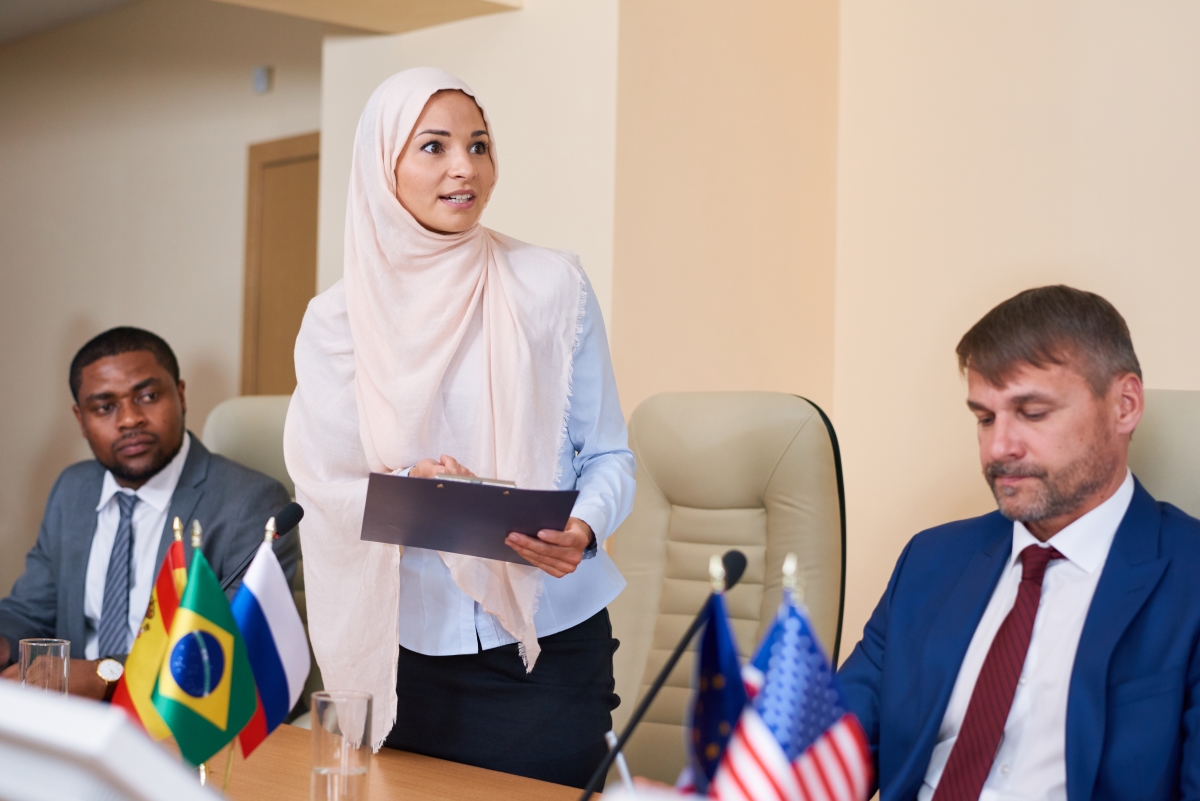
Despite a few women holding senior leadership positions in the World Trade Organization, European Commission, International Monetary Fund, and European Central Bank, only 20 percent of ambassadors worldwide are women, according to the report.
Women ambassadors tend to be posted to countries that are more gender equal and are less likely to serve in countries with more economic clout or that are affected by conflict. Of the 18 peace agreements signed in 2022, only one was signed or witnessed by a representative of a women’s group or organization.
Authors Marta Kozielska and Professor Karen E. Smith, both co-founders of LSE IDEAS’ Women in Diplomacy Project, note that prior research shows diversity enhances decision-making capabilities, better addresses the needs of the diverse global population, and reaffirms commitments to democratic principles of inclusion and tolerance.
The report’s findings are based on a series of interviews with women who have held high-ranking diplomatic positions in international trade, international security, climate change, cultural diplomacy, and other sectors. A team of experts conducted the interviews, which are all available as podcasts.
These interviews reveal that women face many challenges when it comes to progressing and rising to the top within international diplomacy. To address obstacles to women’s career advancement, the authors recommend international organizations:
- Implement tailored gender equality plans that address issues regarding equal pay, parental leave provision, and sexual harassment.
- Ensure fair and inclusive recruitment processes, especially for senior and leadership positions, while fostering mentorship;
- Implement formal and informal career development support, including for ‘trailing partners’.
“Representation matters. A growing number of studies highlight the benefits of diversity in decision-making in private enterprises, states, and international organizations. Diverse participants bring diverse perspectives to the table, which helps to produce policy outcomes that address the needs of a wider population. For example, involving women in peace processes leads to more robust democracies and longer-lasting peace,” says Marta Kozielska.
The report is available on the LSE IDEAS website here.
More information about the Women in Diplomacy Project is available on the website here, and on LinkedIn here.
Subscribe to Citywealth Weekly Newsletter to learn more about Private Wealth Management: https://www.citywealthmag.com/weekly-news-email/


Broadstone urges charity trustees not to underutilise their assets
Analysis by Broadstone has found that over £31bn of charity assets sat idle despite impact opportunities through investing. Charities have lost out on potentially £1.5 billion of investment returns over the past year alone.
Companies in emerging markets outpace peers in the U.S. and UK in gender equality
Equileap unveils its inaugural 2024 Gender Equality Report & Ranking for Emerging Markets and launches the Solactive Equileap Emerging Markets Gender Equality Index.