Citywealth Quick Insight Series on Tax Trends – Aliona Le Khak, Blick Rothenberg
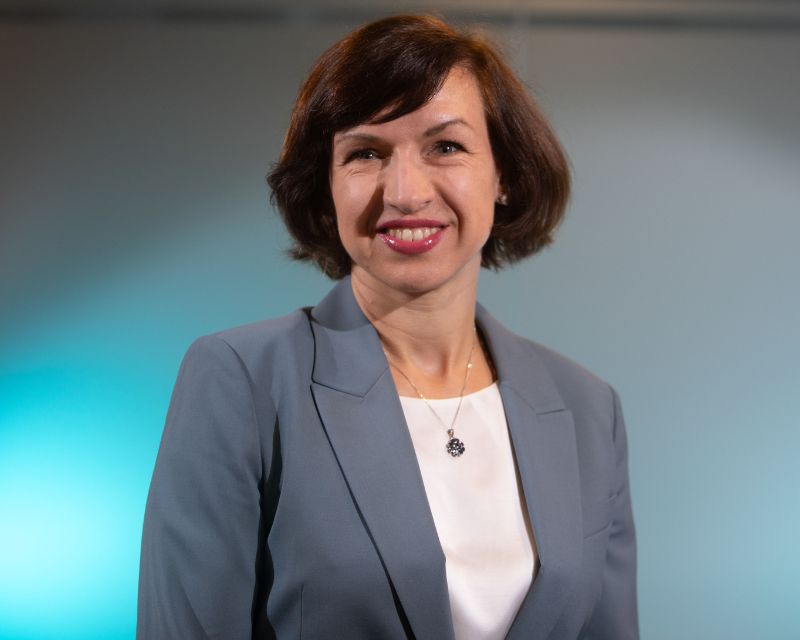
This week’s Citywealth Quick Insight Series on Tax Trends is dedicated to Aliona Le Khak, Partner at Blick Rothenberg. She joined Blick Rothenberg after more than 14 years in Global Mobility at a Big Four accountancy firm, where she developed a strong understanding of the needs of Japanese businesses operating in the UK, as well as the needs of their expatriate assignees.
How would you summarize the current global tax environment for UHNW individuals and families? Are there particular jurisdictions that are becoming more (or less) attractive?
The global tax environment has become significantly more transparent, residence-focused and politically sensitive. The era of relying on secrecy, low-disclosure structures or purely tax-driven planning is effectively over. Wealthy families are increasingly being assessed based on where they genuinely live, work, manage businesses and spend time, rather than where assets are legally held. The OECD’s Common Reporting Standard (CRS) and automatic exchange frameworks have fundamentally changed the landscape.
From a UK perspective, the most notable shift has been the abolition of the traditional non-dom regime and the move to a residence-based system from April 2025. This has materially changed the UK’s competitiveness for internationally mobile families, particularly those intending to remain long-term.
In terms of attractiveness, we continue to see interest in Switzerland, Italy and Singapore, Hong Kong and the UAE, although each for different reasons. The UK remains attractive for entrepreneurs and internationally mobile individuals under the new four-year FIG regime, but those who were previously relying on the long-term benefits of non-dom status now need to consider tax planning more carefully.
There is also an increasingly important interaction between immigration and tax policy. While the UK continues to offer attractive tax-efficient investment opportunities for UHNW individuals, including EIS and SEIS investments, it no longer operates a dedicated investor visa programme. As a result, unlike some competing jurisdictions that combine favourable tax regimes with residence-by-investment or investor immigration pathways, the UK’s immigration offering is now focused primarily on entrepreneurship, talent and employment rather than passive investment. This may reduce its appeal for certain globally mobile UHNW families when compared with competing jurisdictions.
What recent tax policy changes in key regions have the most significant implications for global wealth structuring?
The UK reforms are undoubtedly among the most consequential. The abolition of the remittance basis, introduction of the four-year Foreign Income and Gains (FIG) regime, and the move to a residence-based inheritance tax system have forced many globally mobile families to reassess existing trust and holding structures.
Globally, we are also seeing increased scrutiny of offshore trusts and family investment structures, expansion of information reporting regimes to cover digital assets and crypto holdings. There are also continued discussions around wealth taxes, exit taxes and taxation of unrealised gains in several European countries. Furthermore, increasing number of governments are introducing greater anti-avoidance measures.
The common theme is that policymakers are increasingly targeting perceived gaps between economic reality and legal form.
What are the emerging cross-border tax challenges facing wealthy international families today?
The biggest challenge in the current environment is navigating multiple tax systems simultaneously.
Many UHNW families now have family members residing across several jurisdictions, creating overlapping exposure to income tax, capital gains tax, inheritance tax, gift tax and corporate tax regimes. It’s increasingly common for family wealth structures that were efficient a decade ago to produce unintended tax consequences today.
We are also seeing challenges relating to dual residence and treaty disputes, trust taxation across multiple jurisdictions as well as mobility of family members and next generations.
Remote working by family office executives and tax treatment of digital assets and alternative investments result in further difficulties to comply with all the rules. In addition, governments are increasingly using exit taxes to protect their tax base, which makes international tax landscape even more difficult to navigate for UHNW families. The complexity today is often driven more by cross-border coordination than by individual tax rates.
How are advisors helping clients prepare for increased transparency, disclosure rules and information-sharing regimes?
The mindset has widely shifted from “confidentiality planning” to compliance planning.
Advisors are conducting detailed reviews of beneficial ownership, trust reporting, tax residency positions and CRS/FATCA classifications to ensure consistency across all jurisdictions. The emphasis is on ensuring that tax authorities see a coherent and accurate picture of the family’s affairs.
Many families are also investing in governance, such as family office reporting processes, data management and documentation of residency and source of wealth. Periodic health checks on structures and tax filings are also becoming more common.
The best defence against heightened transparency is robust documentation and demonstrable commercial rationale.
In what ways are philanthropic structures and charitable giving being shaped by evolving tax legislation and public policy?
Philanthropy is increasingly being driven by impact and governance rather than tax relief alone.
Regulators and the public expect charitable structures to deliver genuine charitable outcomes and maintain high standards of governance. Families are therefore focusing more heavily on measurable impact, ESG objectives and succession planning within philanthropic vehicles.
Tax incentives still matter, particularly in jurisdictions such as the UK and US, but philanthropy is increasingly viewed as part of a family’s broader legacy strategy rather than simply a tax planning tool.
We’re also seeing greater use of cross-border philanthropic platforms to facilitate international giving while complying with varying local tax rules.
What role do tax-efficient investments play in your clients’ strategies, and are these evolving?
Tax efficiency remains important, but clients are increasingly seeking tax-efficient solutions that also align with investment, succession and governance objectives.
Historically, clients may have focused purely on tax outcomes. Today, the focus is on integrated planning.
Areas of interest include insurance wrappers and private placement life insurance, institutional real estate structures, private market investments, family investment companies and jurisdictionally efficient trust and foundation arrangements. or UK-resident ultra-high-net-worth individuals, Enterprise Investment Scheme (EIS) and Seed Enterprise Investment Scheme (SEIS) investments remain particularly popular tax-efficient solutions, offering attractive income tax, capital gains tax and inheritance tax planning opportunities alongside exposure to high-growth private businesses.
Importantly, tax efficiency must now be sustainable under increased transparency and anti-avoidance scrutiny. Structures that rely on technical loopholes are becoming less attractive than those supported by genuine commercial and family objectives.
How is succession and estate planning being impacted by new inheritance, wealth, or exit tax proposals globally?
Succession planning is moving higher up the agenda.
Several governments are reviewing how wealth transfers are taxed, while others are strengthening inheritance tax regimes or considering wealth taxes. The UK’s move to residence-based inheritance taxation is a good example of this broader trend.
Families are increasingly concerned about long-term inheritance tax exposure, future wealth tax proposals and potential exit taxes. Protection of family businesses and governance of family wealth across generations also remain very important for UHNW families.
As a result, many clients are undertaking succession planning earlier than previous generations did, often involving trusts, family constitutions and governance frameworks alongside traditional tax planning.
Are you seeing increased interest in alternative jurisdictions, citizenship or residency-by-investment programs due to tax considerations?
Yes, but clients are generally more sophisticated today. A decade ago, some families viewed residency programs primarily through a tax lens. Today, decisions are usually based on a combination of tax efficiency, political stability, education, lifestyle, healthcare and long-term succession considerations.
We continue to see interest in Swiss residence arrangements, Italian inbound regimes and Singapore and also Hong Kong as a business and family office hub.
However, families are much more aware that obtaining residence documentation alone is rarely sufficient. Tax authorities increasingly look at substance, actual residence patterns and wider facts and circumstances.
How are tax authorities using digital tools, AI and data analytics to enhance enforcement—and how should advisors respond?
This is one of the most important developments in global tax administration.
Tax authorities now receive vast amounts of information through CRS, FATCA and other reporting systems. More recently, this information ecosystem is being expanded through initiatives such as the OECD’s Crypto-Asset Reporting Framework (CARF), which will enable the automatic exchange of tax-relevant information relating to crypto-assets and crypto transactions between participating jurisdictions.
Increasingly, AI and advanced analytics are being used to identify discrepancies, non-disclosure risks and unusual patterns across datasets. In the UK, HMRC’s Connect system is a notable example. Connect combines information from a wide range of sources, including tax returns, banking information, property records, company data, overseas disclosures and other third-party datasets, to identify inconsistencies and risk indicators for further investigation.
In practical terms, authorities can increasingly connect bank account information, trust disclosures, property ownership, corporate records and international tax filings. The combination of CRS, CARF and sophisticated data analytics means that tax authorities now have a far more comprehensive view of a taxpayer’s global affairs than ever before.
The advisor’s role is therefore shifting toward data integrity and proactive risk management. We encourage clients to assume that tax authorities already have access to most relevant information and plan accordingly. The focus is increasingly on ensuring consistency across global reporting, maintaining robust documentation and addressing potential issues before they become enquiries or investigations.
Looking forward, what are your top predictions or concerns about the future direction of global tax policy for UHNW clients over the next 12–24 months?
Looking ahead over the next 12–24 months, I think there are five key trends worth watching.
First, I expect governments to keep a close focus on internationally mobile wealthy individuals. With ongoing fiscal pressures, UHNW taxpayers are likely to remain an area of increased scrutiny.
Second, transparency and reporting requirements will continue to expand. We’re already seeing that with digital assets, and I think authorities will keep pushing for greater visibility into complex ownership and investment structures.
Third, I think mobility planning will become even more important. For globally mobile families, the focus will be less on finding small tax advantages and more on taking a holistic approach to residence, succession, governance, and long-term wealth preservation across different jurisdictions.
Fourth, there will be more scrutiny of trusts, family offices, and similar structures. Tax authorities are looking beyond legal form and increasingly focusing on whether there’s genuine commercial purpose, family governance, and real substance behind those arrangements.
Finally, I expect the discussion around wealth taxes and exit taxes to continue. Even in countries where these measures aren’t ultimately introduced, they’re increasingly influencing planning conversations and long-term decision-making.
Overall, my expectation is that the environment will become more transparent, more complex, and more heavily scrutinised, making proactive planning and good governance increasingly important for UHNW clients.
Blick Rothenberg’s Citywealth Leaders List profile
Key Takeaways
- The Citywealth Quick Insight Series on Tax Trends highlights insights from Aliona Le Khak, Partner at Blick Rothenberg.
- The global tax environment is more transparent, focusing on residency and genuine living situations rather than asset locations.
- UK tax reforms, including the abolition of the non-dom regime, significantly affect UHNW individuals’ tax planning.
- Clients now seek tax-efficient solutions that align with governance and investment goals, reflecting integrated planning approaches.
- Advisors emphasize compliance and robust documentation to prepare clients for increased transparency and scrutiny in tax reporting.
Subscribe to the Citywealth Weekly Newsletter to learn more about Private Wealth Management.
Read more:
Tilney Smith & Williamson appoints partner to build transatlantic tax team | Citywealth News
Politics, technology, and taxation tactics
Future Leaders Awards 2025 | Citywealth Awards Results. Future Leaders Awards results
Citywealth Powewomen Awards 2026 – International
Magic Circle Awards 2026 | Citywealth Awards Results
Brand & Marketing Awards 2026 | Citywealth Awards Results
Citywealth Brand & Marketing Awards 2026 report


Citywealth Quick Insight Series on divorce and family law Trends – Clare Radcliffe, Mishcon de Reya
This week's Citywealth Quick Insight Series on divorce and family law Trends is dedicated to Clare Radcliffe, Partner, Mishcon de Reya.
Citywealth Quick Insight Series on Sports Trends – Chris Harber, Boyes Turner
This week's Citywealth Quick Insight Series on Sports Trends is dedicated to Chris Harber, Partner & Head of Immigration at Boyes Turner.