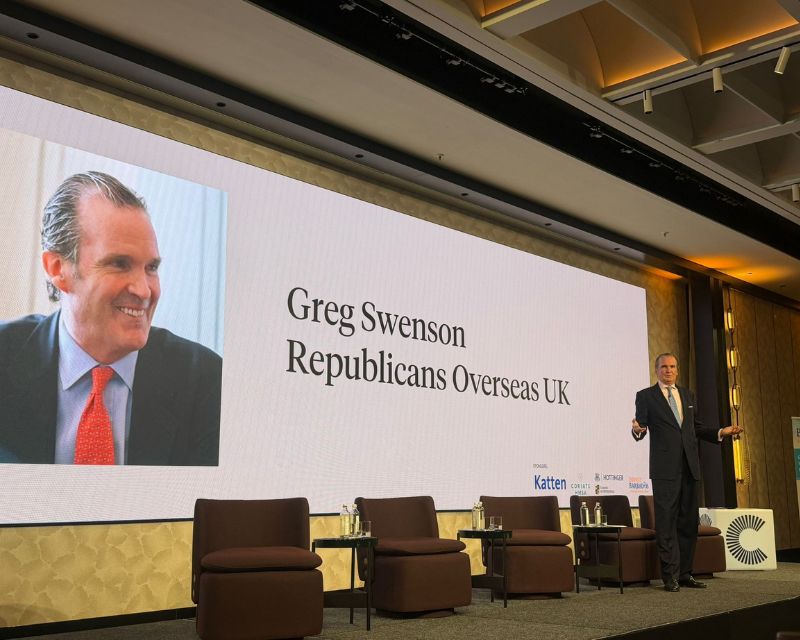
Citywealth Forum 2026 Speaker spotlight: Ryan McSharry, Director / Head of Crisis and Litigation (UK) at INFINITE
Ryan McSharry focused on the practical realities of reputation crises in the digital age. He highlighted the speed and scale at which misinformation now spreads, stressing the importance of preparation, coordinated legal and communications strategies, and knowing when not to respond.

Ryan McSharry’s contribution centred on one key change: speed.
While misinformation has always existed, the combination of digital platforms and AI means that reputational threats now emerge and escalate much faster.
For him, volume, variety and declining reliability of content are all challenges, but it is the velocity of information that creates the greatest risk.
The need for rapid response
In this environment, timing becomes critical.
Reputation issues can no longer be managed through slow, reactive processes.
Instead, individuals and families need to be ready to respond quickly, with clear strategies already in place.
Without that preparation, the opportunity to influence a situation can be lost before action is even taken.
Preparation as the central strategy
McSharry repeatedly returned to preparation as the most important tool available.
This means anticipating potential issues in advance and building structured responses before any crisis occurs.
In practice, this includes developing scenario planning, setting out responses to likely allegations, and preparing detailed Q&As for media engagement.
Managing media escalation
A specific risk he highlighted was the moment when a story moves from online chatter into mainstream media.
At that point, the stakes change significantly.
Rather than reacting under pressure, clients benefit from having pre-prepared responses ready—so that when journalists make contact, they can respond in a controlled and considered way.
Legal and communications working together
His approach emphasised coordination between legal and communications teams.
Each has a different role:
- Legal teams focus on influencing editors and legal departments, often through formal correspondence
- Communications teams engage with journalists and shape the narrative more directly
Working together, they can ensure that responses are both accurate and strategically effective.
Knowing when not to engage
McSharry also stressed that not every issue should be confronted directly.
Responding to minor or low-level online content can make matters worse, drawing attention and amplifying the issue.
This requires careful judgement: distinguishing between situations that demand action and those better left alone.
The risk of escalation
He highlighted how engagement with hostile or low-quality content can trigger further attention, leading to a cycle of amplification.
In some cases, ignoring an issue entirely may be the most effective option, provided it does not pose a wider reputational risk.
Reputation beyond the individual
In discussing post-death reputation, McSharry pointed to the risks that arise within families.
When a central figure is no longer present, multiple voices can emerge, each with different perspectives and agendas.
This fragmentation can create inconsistency, making it harder to manage how a story is told and increasing reputational exposure.
Working with media before publication
He also highlighted the importance of engaging with journalists before publication where appropriate.
Even where a story is likely to proceed, providing context and factual clarification can influence how it is reported.
This can be particularly important as media coverage feeds into search results, AI outputs and compliance databases.
A practical approach to modern reputation risk
McSharry’s overall message was grounded and pragmatic.
Reputation management is no longer about control, but about preparation, prioritisation and coordination.
In a fast-moving digital landscape, those who are prepared and disciplined in their response are best placed to protect their position.
Key Quotes
“Volume has gone through the roof… the veracity has gone through the floor.”
“For me, it’s about velocity.”
“The need to respond quickly is ever-increasing.”
“You need to have plans and strategies on the shelf ready to go.”
“Preparation is probably the most important thing that people can do.”
“You can’t anticipate everything… but you can prepare.”
“There’s something that’s become known as the Streisand effect.” (The Streisand effect is a phenomenon where an attempt to hide, censor, or remove information inadvertently causes the information to be publicized much more widely, usually by sparking widespread online interest.)
“Often it’s about preparation rather than reaction.”
Key Takeaways
- Ryan McSharry emphasised the speed at which misinformation spreads, making reputation management crucial in the digital age.
- He highlighted that preparation, including scenario planning and pre-prepared responses, is vital for effective crisis management.
- Coordinating legal and communications teams ensures accurate and strategically sound responses to reputation issues.
- McSharry advised on knowing when not to engage with low-level content to avoid amplifying issues unnecessarily.
- His overall message stresses that reputation management now relies on preparation, prioritisation, and quick, disciplined responses.
Subscribe to the Citywealth Weekly Newsletter to learn more about Private Wealth Management.


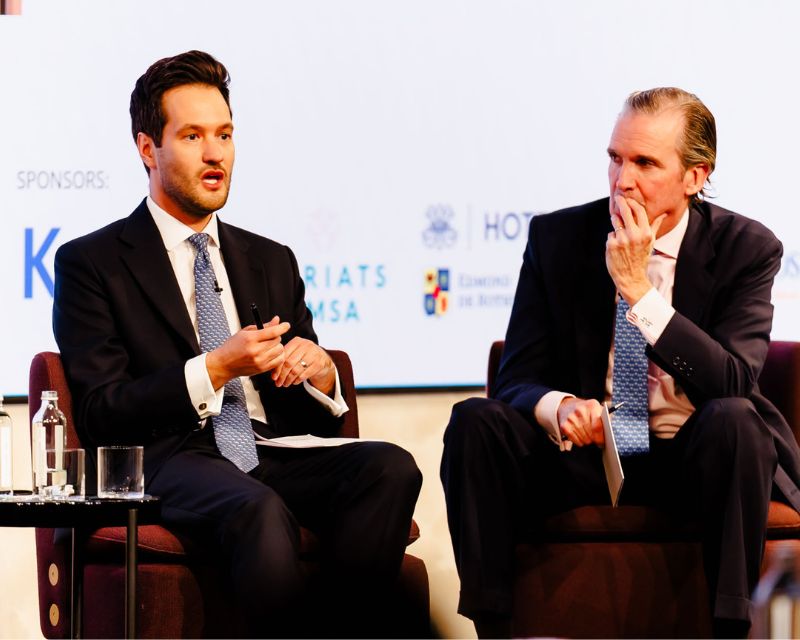
Citywealth Forum 2026 Speaker spotlight: Rennie Hoare, Partner and Head of Philanthropy at C. Hoare & Co.
Rennie Hoare focused on how philanthropy is moving into the mainstream of wealth planning, with donor-advised funds playing a central role. He highlighted the value of unrestricted funding, better use of charitable capital, and the importance of philanthropy as a way of deepening client relationships and understanding what matters to them.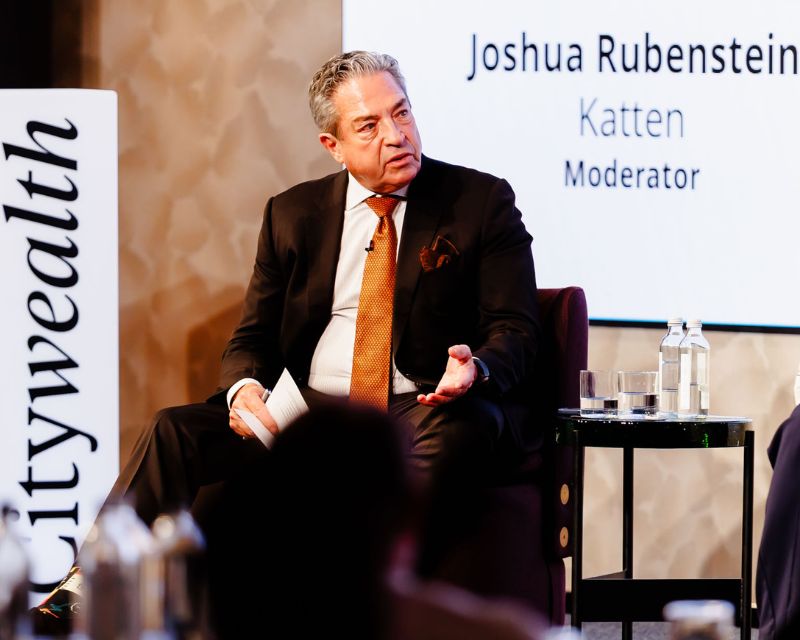
Citywealth Forum 2026 Speaker spotlight: Joshua Rubenstein, Katten
Joshua Rubenstein, Partner and Global Chair of Private Wealth at Katten, discussed the growing complexity of litigation, ageing and mental capacity during the litigation and capacity panel at the Citywealth Forum 2026, highlighting the rise in lifetime disputes, the legal realities of diminished capacity and the increasing importance of communication and documentation within wealthy families.