Citywealth Forum 2026 Speaker spotlight: Alex Hulkhory, The Hottinger Group part of Edmond de Rothschild
Alex Hulkhory, Senior Investment Manager at The Hottinger Group, part of Edmond de Rothschild, discussed the changing investment landscape during the Trusts and Investment Strategies panel at the Citywealth Forum 2026, highlighting inflation risk, the pressure on traditional portfolios and the growing importance of genuinely multi asset investing.
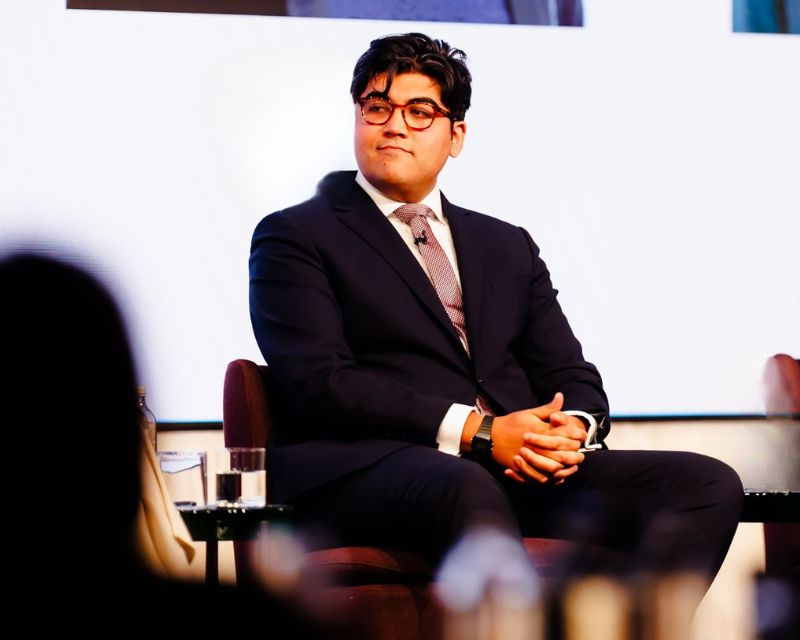
Hulkhory focused on what he sees as a fundamental shift in the investment environment during the Trusts and Investment Strategies panel at the Citywealth Forum 2026.
His central argument was clear. Traditional assumptions about portfolio construction and capital preservation are being challenged by a very different economic backdrop.
“I think there has been quite a significant paradigm shift,” he said.
For Hulkhory, the issue is not theoretical. It is already visible in the performance of assets that many investors once considered dependable sources of stability and protection.
“A good example is, if you’re a passive investor in the UK gilt market, over the last five years, the total return has been approximately minus twenty percent,” he said.
“Over that same period, inflation has been north of twenty eight percent.”
The combined effect, he argued, is that many investors may have experienced a substantial decline in real purchasing power despite believing they were invested conservatively. “They’re potentially staring down the barrel at almost a thirty eight percent decline in their purchasing power.”
That figure shaped much of the wider discussion. Hulkhory’s point was that portfolios which appear cautious on paper are not necessarily preserving wealth in real terms.
Rethinking traditional portfolio models
Hulkhory pointed to increasing pressure on the traditional 60/40 portfolio model (a classic investment strategy), particularly during periods where bonds have failed to behave as expected in inflationary conditions.
“I think this current environment has really highlighted the importance of being genuinely multi asset,” he said.
His position was not that traditional models no longer have value, but that investors need broader diversification and greater flexibility in how portfolios are constructed.
Rather than relying too heavily on historic assumptions, portfolios need to be built with a wider range of economic outcomes in mind.
Expanding the investment toolkit
A recurring theme throughout Hulkhory’s remarks was the importance of widening the range of assets considered within portfolios.
“It’s really ensuring that we are utilising that entire toolbox to navigate effectively this current environment,” he said.
That “toolbox”, he explained, can include infrastructure, commodities and alternative assets alongside more traditional holdings.
Gold was one example he referenced as an asset class that has regained relevance in an environment characterised by inflation concerns and geopolitical uncertainty.
The emphasis, however, was not on novelty for its own sake. Hulkhory repeatedly returned to the idea that portfolios need to reflect the risks investors are actually facing today, rather than those they faced a decade ago.
ESG and investment constraints
Hulkhory also addressed ESG investing, framing it primarily as a portfolio construction issue rather than a purely philosophical one.
“At its core, ESG is an additional lens through which we can evaluate risk,” he said.
At the same time, he cautioned that ESG restrictions can narrow investment opportunities if implemented without careful consideration.
“Once you’re using that to constrain and shrink your investable universe, what does that do to diversification? What does that do to liquidity?” he asked.
“What does that do to the capital markets you can access?”
His argument was that ESG frameworks can play an important role in risk assessment, but investors also need to understand the trade offs they may introduce within portfolio construction.
A more active investment environment
Underlying Hulkhory’s contribution was a broader point about how investment management itself is changing.
Portfolios, he suggested, can no longer be set and reviewed only periodically. Economic conditions are evolving more quickly, inflation risks are more persistent and market relationships are becoming more complex.
As a result, investment strategy increasingly requires ongoing assessment and adaptation rather than static allocation models.
His contribution reflected a wider theme running throughout the panel discussion. Investment management today is not simply about selecting assets. It is about understanding how different risks interact and ensuring portfolios are resilient enough to navigate them.
For an audience focused on preserving wealth in uncertain conditions, Hulkhory’s message resonated because it challenged the assumption that traditional defensive positioning automatically provides safety.
Instead, his emphasis was on flexibility, diversification and a more dynamic approach to portfolio construction.
What does a “38% decline in purchasing power” actually mean?
In simple terms, it means money is worth significantly less in real terms, even if the headline portfolio value appears relatively stable.
Using the example Hulkhory referenced:
- A portfolio invested in traditional defensive assets declined by around 20%
- Over the same period, inflation increased by more than 28%
In practical terms:
- £100 invested might fall to roughly £80
- But something that previously cost £100 would now cost around £128
The result is that an investor’s wealth buys materially less than it did five years earlier.
For Hulkhory, this was a clear illustration of why investors can no longer rely solely on traditional “safe” assets to preserve wealth in real terms, particularly during prolonged periods of inflation and market volatility.
Key quotes from Alex Hulkhory
“I think there has been quite a significant paradigm shift.”
“It’s really ensuring that we are utilising that entire toolbox.”
“At its core, ESG is an additional lens through which we can evaluate risk.”
Subscribe to the Citywealth Weekly Newsletter to learn more about Private Wealth Management.

Citywealth Forum 2026 Speaker spotlight: Connie Smith, Invest Barbados
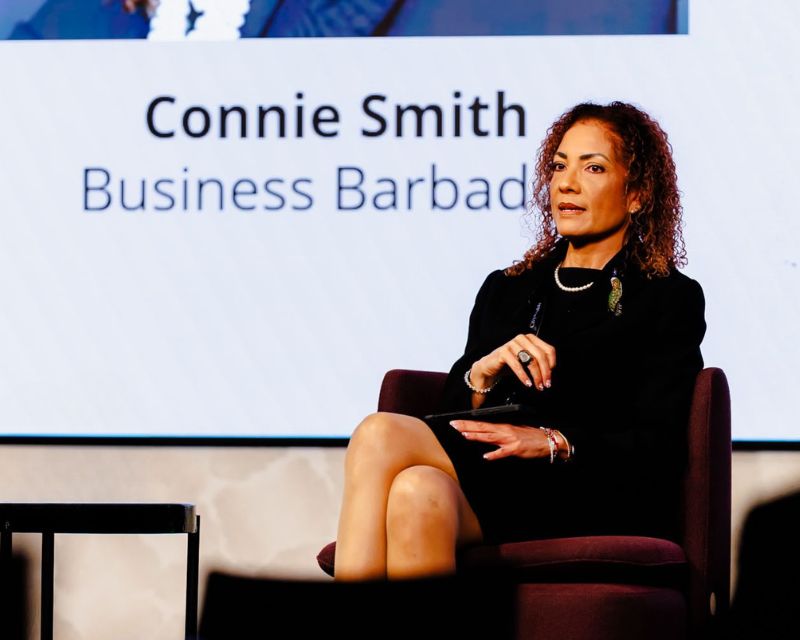
Connie Smith, Chair of Business Barbados, discussed the changing priorities shaping international financial centres during the International Financial Centres panel at the Citywealth Forum 2026, arguing that globally mobile families are increasingly prioritising stability, transparency and long term confidence over pure tax considerations.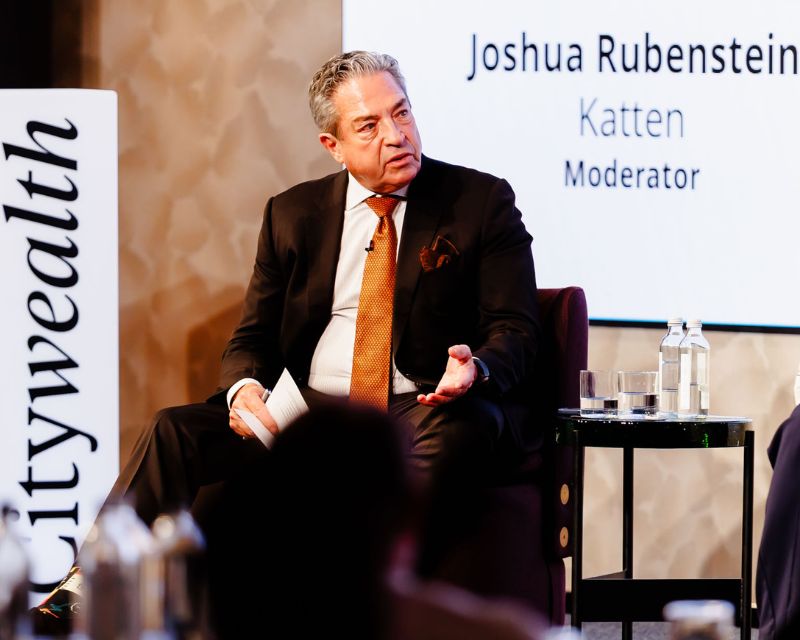
Citywealth Forum 2026 Speaker spotlight: Joshua Rubenstein, Katten
Joshua Rubenstein, Partner and Global Chair of Private Wealth at Katten, discussed the growing complexity of litigation, ageing and mental capacity during the litigation and capacity panel at the Citywealth Forum 2026, highlighting the rise in lifetime disputes, the legal realities of diminished capacity and the increasing importance of communication and documentation within wealthy families.