Private wealth, family offices and the next phase of digital assets
Cayman update: As Cayman consolidates its role as a global centre for private wealth, family offices are navigating a changing landscape. Now a pivotal hub for private wealth as family offices adapt to governance reforms, rising regulatory scrutiny and the integration of digital assets. The focus has shifted from theoretical debates around ESG and crypto to the practical realities of risk management, portfolio resilience and operational oversight. Advisors report growing complexity in trustee responsibilities and litigation exposure, reinforcing the need for robust governance frameworks. At the same time, Cayman’s evolving digital asset ecosystem is drawing family offices keen to engage with new technologies and investment opportunities, while navigating the risks that now sit firmly at the centre of wealth strategy.
If you contributed to this article and would like to make a post, you can take one paragraph of text with a link back to the Citywealth site.
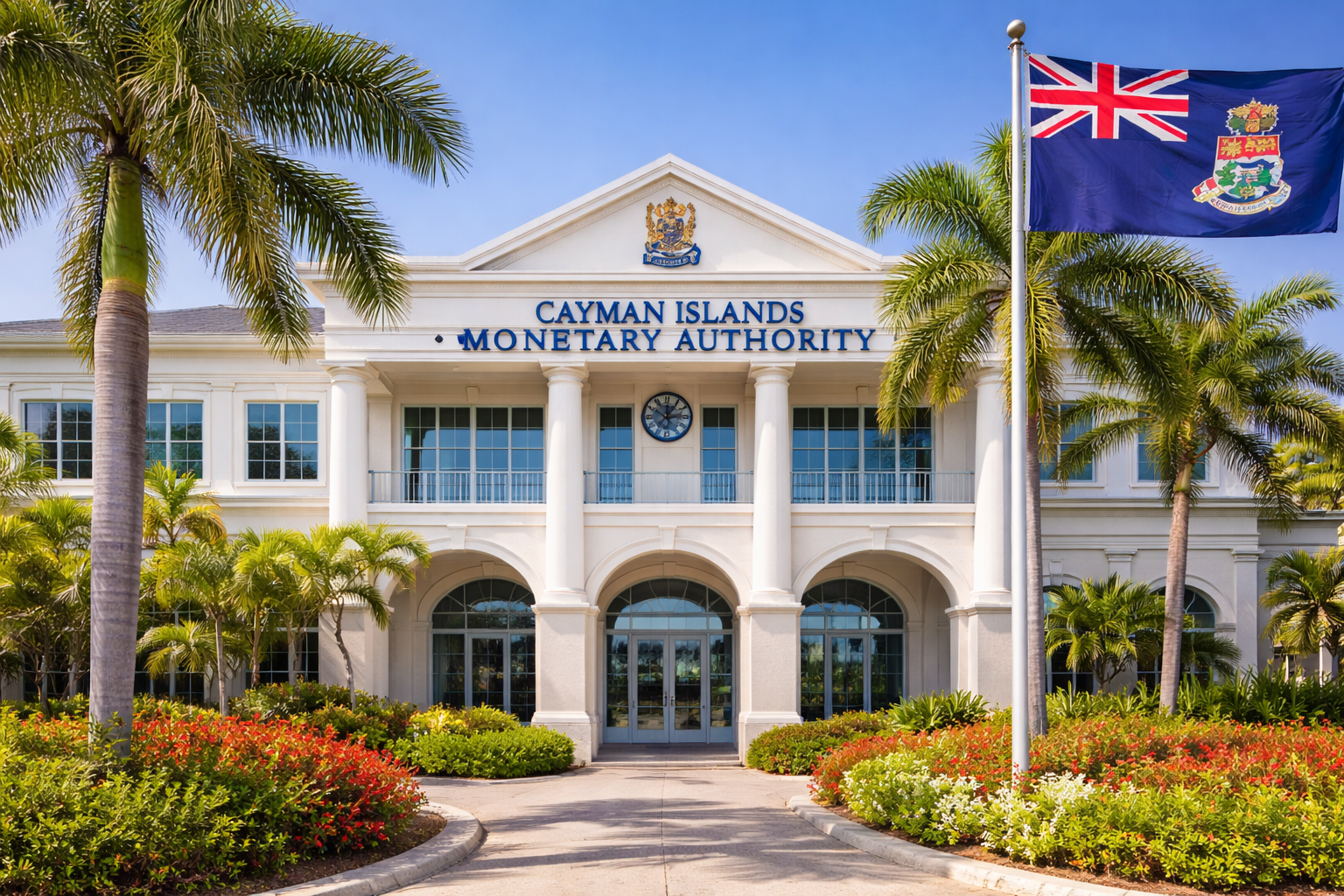
Cayman’s evolving role as a private wealth centre
The Cayman Islands continues to strengthen its position as a leading international centre for private wealth, supported by developments in trust and estate planning, digital assets and a growing family office community. Recent legislative changes, including the removal of the rule against perpetuities and refinements to the virtual asset regime, have enhanced Cayman’s competitiveness while reinforcing its reputation for regulatory clarity. Family offices are taking a more practical approach to ESG, sustainability and impact, with greater focus on governance, risk management and long term portfolio resilience, and increasing interest in how new asset classes, including digital assets, are integrated into portfolios. At the same time, advisers are seeing heightened attention on intergenerational planning, litigation risk and issues arising from divorce and trust disputes, as Cayman continues to attract globally mobile families seeking both financial stability and a high quality of life.
Vote in the Powerwomen Awards USA here – deadline approaching. Read about the nominees here.
A US perspective on Cayman’s appeal
Joshua Rubenstein, Partner and National Chair of Private Wealth at Katten Muchin Rosenman in New York, said: “From a US standpoint, Cayman has done an impressive job positioning itself as a choice location for family offices. Cayman has traditionally been ‘fund friendly,’ which is helpful to family offices that have proprietary funds. But the range and competitive nature of professional services available to family offices in Cayman has become quite impressive. Its proximity to the US can be an advantage for Americans setting up family offices there as well.”
Governance and ESG move from principle to practice
Against this backdrop, governance specialists and trust practitioners are seeing a clear shift in how families approach both sustainability and emerging asset classes.
Patrizia Bruzio, managing director of trust company Leeward Trust, which has developed from Leeward, a governance consultancy founded by Glenn Kennedy in Cayman, said: “Family offices are increasingly taking a pragmatic approach to ESG, sustainability and impact, focusing less on labels and more on how these considerations translate into real risk management, family goals and long term portfolio resilience.”
“ESG is most effective where it is clearly defined and applied in practice, particularly through manager selection, due diligence and oversight, rather than treated as a box ticking exercise. At Leeward, we are seeing a similar mindset emerging around digital assets, which some families are using as a genuine diversification tool, but only where there is a clear understanding of the asset class and the risks involved. In practice, this has sharpened the focus on governance frameworks and on selecting service providers with deep, credible expertise in the digital assets space, as families recognise that resilience and value preservation depend as much on infrastructure and oversight as on the assets themselves.”
ESG reporting, stewardship and impact measurement
This pragmatic mindset is also evident in how family offices are reframing ESG and impact within broader governance and reporting frameworks.
Georgina Revell, senior associate at Delfin Private Office based in London, said: “We are seeing families prioritise material ESG risks, stewardship quality and transparent impact reporting, while using sustainability considerations to guide strategic planning across generations. Recent discussions with clients reflect a growing focus on the quality and consistency of ESG and impact reporting, particularly around stewardship and engagement metrics raised in quarterly reviews, and a desire to better evidence real world outcomes, as highlighted in conversations on enhancing impact measurement frameworks. Impact investing continues to gain traction where measurable outcomes are sought, and newer areas such as digital assets are being incorporated cautiously into portfolios with strengthened governance and oversight.”
Family offices and next generation influence
From a family office perspective, these themes are increasingly playing out at board level and across generations.
Carrie Harding, Co founder and chief executive officer of Panthera Family Office in Cayman, said:
“Many family offices are increasingly moving past high level ESG rhetoric and adopting far more practical, risk aware frameworks, integrating sustainability into governance, manager selection and long-term portfolio construction, often driven by the next generation. We are seeing ESG used less as a marketing label and more as a risk assessment lens, particularly around operational resilience, climate related value erosion and reputational exposure.”
“In some cases, sustainability considerations are shaping multi decade strategies, while impact allocations are being deployed in areas where families want measurable, mission aligned outcomes. At the same time, new asset classes, most notably digital assets and tokenised strategies, are beginning to appear in governance discussions, prompting updates to investment policies, custody arrangements and board level oversight. Alongside these themes, litigation, contentious trust matters and divorce related disputes continue to surface, especially where governance has not kept pace with the complexity of modern portfolios, reinforcing just how interlinked ESG, risk management and family dynamics have become.”
Digital assets, governance and portfolio oversight
As interest in digital assets matures, legal and structural considerations are becoming central to how families allocate and oversee exposure.
Melissa Lim, partner, global investment funds group at Walkers in the Cayman Islands, said: “Family offices were one of the first investor groups interested in investing in digital assets. However, they tend to invest in the more stable digital assets like Bitcoin and ETH and not altcoins. The family offices that we have seen with significant exposure to digital assets generally bring all trading expertise in house rather than seed such activity to a third party manager, which is usually the norm for a family office for traditional assets.”
“This is not surprising as family offices, whose fear of losing it all tends to be the biggest driver of governance structure, want more oversight of assets allocated to what is considered immature markets with the potential for parabolic volatility.”
Trustees, litigation risk and cross border exposure
Alongside investment strategy, advisers are also seeing rising complexity around trustee duties, litigation risk and cross border legal exposure.
Paul Davidoff, partner at Kingsley Napley in London, said: “UHNW family offices are increasingly allocating capital to ESG aligned investments and digital assets. This is driven by both generational wealth transfer and conviction based investing. Unsurprisingly, these families gravitate towards investment managers who can demonstrate both alignment with their values and a proven track record in this area.”
“For families who have amassed substantial wealth through digital assets, the challenge is compounded by a relatively limited selection of specialist managers. This dual focus on impact and innovation presents unique challenges in manager selection and portfolio construction. For digital assets in particular, families face significant volatility and cybersecurity risks, whether holding directly or through managed crypto funds.”
Trouble for trustees
“Where trustees are involved, the legal landscape becomes considerably more complex. Trustees face a particular dilemma, as the traditional prudent investor rule may conflict with settlors’ or beneficiaries’ wishes to hold concentrated digital asset positions or pursue impact first ESG strategies. Historically, trust litigation has frequently centred on claims that trustees have invested inappropriately by holding insufficiently diversified portfolios or taking excessive risks. That is the case not only in the UK, but also in offshore jurisdictions such as the Cayman Islands and the Channel Islands.”
“The taxation of digital assets also remains unsettled across jurisdictions, creating significant uncertainty for family offices. A fundamental issue is determining where digital assets are located for tax purposes. Without robust documentation tracing the provenance of digital wealth, families may find they cannot convert their holdings into fiat currency for property acquisitions or investment into more orthodox portfolios. Early specialist advice on suitable structures, governance and compliance can prevent costly mistakes.”
Cayman’s digital asset ecosystem and deal flow
Beyond individual portfolios, Cayman’s wider ecosystem is increasingly shaping how families engage with digital assets in practice.
Jennifer McCarthy, head of client services and operations at TechCayman, said:“We are seeing increasing interest from family offices in digital assets, both in terms of potential portfolio exposure and broader engagement with the technology ecosystem. This is reflected in a steady increase in digital asset activity clustering in Cayman across blockchain, fintech and supporting infrastructure.”
“What is notable is not simply allocation, but how family offices are using Cayman’s ecosystem to access curated deal flow, explore project development and engage with founders and specialist service providers. Cayman is increasingly viewed as a place to connect, collaborate and participate as the sector continues to develop.”
Market validation and institutional crypto momentum
This growing concentration of activity is beginning to translate into visible market validation.
The Cayman Islands’ emerging role in digital assets has been underscored by Bullish, an institutional cryptocurrency exchange headquartered in George Town, which listed on the New York Stock Exchange in August 2025 under the ticker BLSH. The company raised more than $1 billion in its initial public offering, with shares priced at $37 each, opening at around $90 on debut and closing at levels valuing the company above $13 billion. The Cayman Compass described the listing as a milestone for the jurisdiction’s technology sector, while the Financial Times has detailed its origins, including backing from Block.one, Peter Thiel and Alan Howard.
From crypto credibility to risk management reality
That visibility is now filtering through to private wealth discussions in a more practical way. The conversation in Cayman has moved on from whether family offices should engage with crypto and ESG, to how they do so without creating new risks. Trustees, advisers and families are now grappling with custody, oversight, tax and dispute exposure in a way that reflects how embedded these issues have become. For globally mobile families, the attraction lies in dealing with those realities early, rather than after problems emerge.
Key Takeaways
- Cayman is becoming a key centre for private wealth, with family offices adapting to governance reforms and digital asset integration.
- Family offices are shifting from ESG principles to practical applications, focusing on risk management and portfolio resilience.
- Advisors are seeing increased complexity in trustee duties, litigation risks, and the need for effective governance structures.
- Cayman’s digital asset ecosystem is attracting family offices looking to engage with technology and investment opportunities.
- The focus has moved to managing risks associated with crypto and ESG, rather than debating their inclusion in portfolios.
Subscribe to the Citywealth Weekly Newsletter to learn more about Private Wealth Management.
Read More:


Landed estates and rural businesses face unworkable inheritance tax reforms, Lords warn
From large landed estates such as the Grosvenor Estate, Chatsworth and Woburn Abbey to diversified rural businesses spanning agriculture, property, tourism and renewables, the inheritance tax changes now facing landed estates and rural enterprises go well beyond traditional farming.
Italy’s Crypto Tax Hike to 33% in 2026: Implications for UHNW Portfolios
Italy’s decision to increase the tax rate on cryptocurrency gains to 33 percent from 2026 marks a significant shift in how digital assets are treated within the private wealth framework.