


Top Trends in Wealth Management – Louis Coke, Director of Private Clients at Charles Stanley
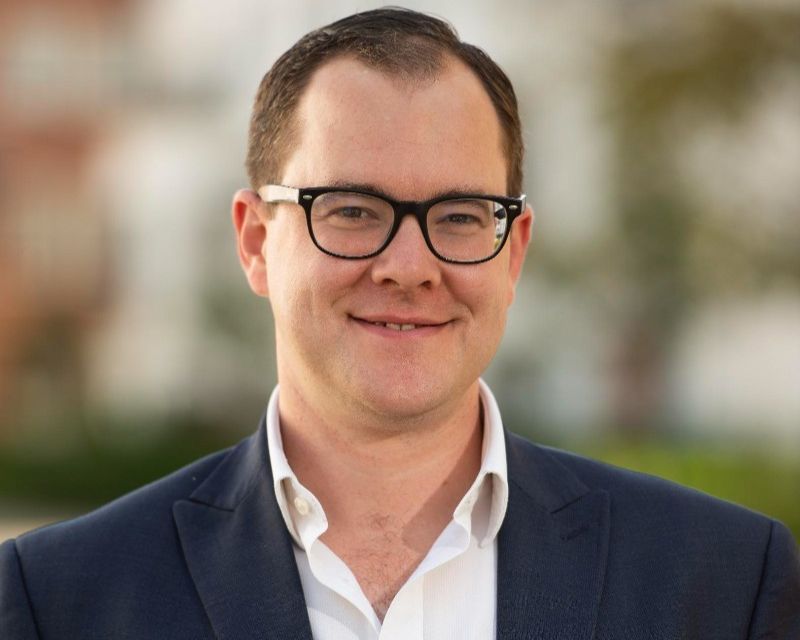
This week’s Top Trends in Wealth Management is dedicated to Louis Coke, Director of Private Clients at Charles Stanley.
What is your assessment of the current global political landscape and its impact on wealth management strategies?
“The global political landscape is undeniably volatile—but that is increasingly normal and something we have to get used to. What matters is recognising that the “rules of the game” can and do change quickly. For wealth management, this means strategies must be adaptable and nimble. Clinging rigidly to a single framework is potentially dangerous; the ability to pivot in response to shifting policy or geopolitical shocks is what preserves and grows wealth over the long term.”
In your opinion, how have recent policy shifts in major economies like the US, EU, and China affected the long-term stability of private wealth?
“Policy is now every bit as important as investment fundamentals. Recent shifts in taxation, regulation, and trade policy in the US, EU, and China have shown that you can be “right” in an investment sense, but still find yourself on the wrong side of the outcome if policy changes move against you. Being aligned with policy direction has become critical. For private wealth, long-term stability now hinges as much on understanding political intent as it does on selecting high quality investment assets.”
As we continue to navigate uncertainty in global markets, how are wealth managers adjusting their strategies to preserve and grow clients’ wealth?
“There’s been a marked shift towards holistic portfolio management rather than just investment selection. Clients themselves have become far more financially literate over the past decade, which means conversations are now more sophisticated. Institutional portfolio management techniques—once reserved for large funds and entities rather than families—are increasingly being adopted for private wealth. The focus is on building resilient, diversified portfolios that can withstand shocks, rather than chasing the next “big” investment idea.”
How important is diversification in a post-pandemic world, and which asset classes are your clients focusing on?
“Diversification has never been more important. The pandemic reinforced that no single asset class provides reliable protection in all environments. Today, the emphasis is on risk-adjusted returns rather than absolute returns, and portfolios are constructed with outcomes or desired behaviours in mind. With ageing populations and more complex financial needs, clients are looking for solutions that balance growth, income, and capital preservation rather than an over-reliance on one particular asset class.”
Sustainability investing has gained traction over the past few years. How are you seeing it affect the portfolios of high-net-worth individuals, and is this trend sustainable?
“Sustainable investing is here to stay, but it still has to stack up as an investment first. Many clients like the idea of aligning their portfolios with their values, but they’re realistic: you cannot fight against policy or ignore the sheer scale of capital and time required to transition industries and nations. The most successful sustainable investments are those where environmental or social outcomes align with solid, long-term business models and who have patient long term investors. That balance is what makes the trend truly sustainable.”
What are the emerging risks and opportunities that wealth managers should be most aware of?
“On the risk side, geopolitics remains front and centre, and we are learning that so-called “safe havens” are not always safe anymore. The rise of leveraged trading and speculative behaviour is also a concern, as it can create systemic fragility. On the opportunity side, more people than ever are taking a very short-term view. That creates a huge opening for selective but decisive long-term capitalism—deploying capital where others are too distracted by the noise to commit.”
How have the needs and expectations of private clients evolved in recent months? Are there any new priorities or concerns they are expressing?
“Clients have become much more tax-aware and legacy-focused. There’s a real recognition that the old safety nets—final salary pensions, affordable education, accessible housing—are no longer there for younger generations. High-net-worth families increasingly want to create lasting legacies that provide stability for their children and grandchildren. At the same time, clients are more globally mobile, willing to move across borders to where opportunities and lifestyle advantages are strongest. That combination of tax sensitivity and global ambition is reshaping how we serve them.”
In what ways are clients seeking more personalized wealth management services, and how are you meeting those needs?
“Clients value digital tools for efficiency, but when it comes to high-stakes wealth decisions, face-to-face engagement still matters. Technology can prepare the ground—providing data, models, and projections—but it cannot replace the human element in final decision-making. Increasingly, tax is also front of mind for clients. It’s personal, it’s complex, and it requires tailored advice. Our role is to combine digital capability with a highly personal approach so that clients feel understood, not just processed.”
With the rise of digital, how are private clients responding to this? Are there any new technologies or platforms that are making a significant impact on how private wealth is managed or delivered?
“Every client is different, and there is no “one size fits all” in high-net-worth wealth management. Some want slick digital experiences, others prefer a paper statement and a conversation over lunch. The key is to deliver services in the way the client wishes, not in the way your technology stack dictates. Where digital really adds value is in flexibility and transparency—it gives clients confidence. But the human overlay remains essential to contextualise the data and guide decision-making.”
Key Takeaways
- The global political landscape requires wealth management strategies to be adaptable and responsive to changes.
- Policy shifts in major economies are now as critical as investment fundamentals for long-term wealth stability.
- Wealth managers are focusing on holistic portfolio management and diversification to navigate market uncertainties.
- Clients increasingly seek personalized services, balancing digital tools with human interaction for decision-making.
- Sustainable investing is gaining traction but must align with solid investment models to be truly effective.
Subscribe to the Citywealth Weekly Newsletter to learn more about Private Wealth Management.
Read more:
Charles Stanley Boosts Fiduciary Management Services
Charles Stanley expands financial planning team with trio of hires | Citywealth News
60 second interview with Shelley Leaney, Charles Stanley | Citywealth News


Top Trends in Wealth Management – Miró Mitev, Founder and CEO of SmartWealth
This week's Top Trends in Wealth Management is dedicated to Miró Mitev, Founder and CEO of SmartWealth.
Top Trends in Female Wealth Management – Carrie Lennard, Marketing Manager at JM Finn
This week's Top Trends in Female Wealth Management is dedicated to Carrie Lennard, Marketing Manager at JM Finn.